Fuel marketers have expressed strong support for Nigerian National Petroleum Company Limited’s plan to revive the Port Harcourt and Warri refineries through a partnership with Chinese firms, describing the move as a pathway to unlock long-idle investments.
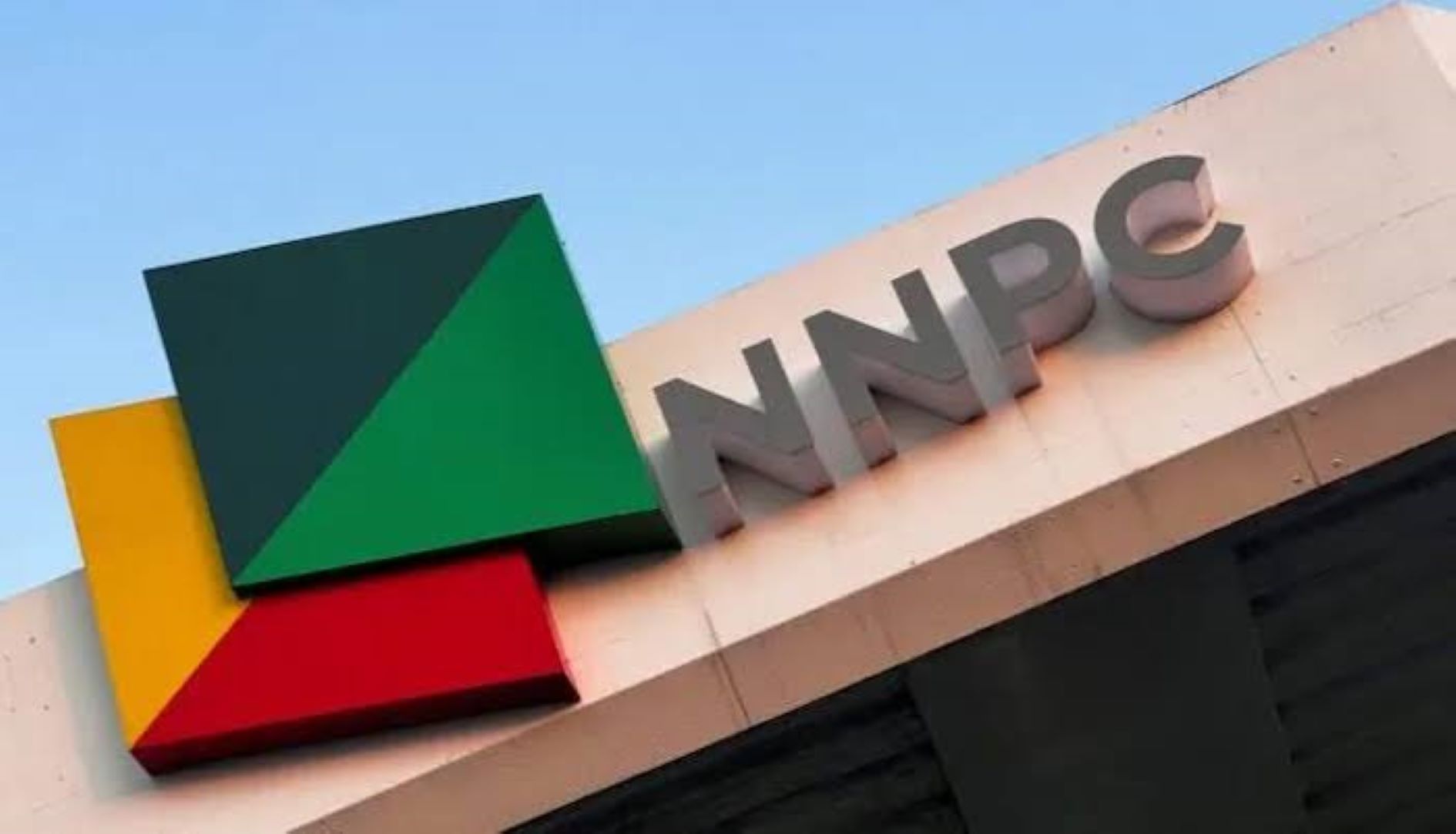
NNPC recently signed a Memorandum of Understanding with Sanjiang Chemical Company Limited and Xingcheng (Fuzhou) Industrial Park Operation and Management Co., Ltd. to rehabilitate, restart, and expand the refineries using a technical equity partnership model.
The Executive Secretary of the Major Energies Marketers Association of Nigeria, Clement Isong, said involving technically competent partners with equity stakes would ensure efficiency and long-term sustainability.
He noted that significant investments had already been made in the refineries without commensurate returns, adding that the new arrangement could unlock the value of those dormant assets.
“A lot of money has already been spent on these facilities. Bringing in a competent third party that can complete the investment and operate them efficiently can only be positive for the country,” Isong said.
He explained that unlike previous arrangements, the Chinese partners would take equity ownership, making them directly invested in the success of the refineries.
“This is an innovative way of getting the assets to work in an efficient and sustainable way. As part-owners, they would want the refineries to perform and deliver returns,” he added.
The deal has drawn criticism from some stakeholders, including Aliko Dangote and former President Olusegun Obasanjo, who have questioned the viability of the ageing plants. However, Isong expressed optimism that the initiative could exceed expectations.
Similarly, the Petroleum Products Retail Outlets Owners Association of Nigeria described the agreement as a major shift in Nigeria’s refining strategy.
Its National President, Billy Gillis-Harry, commended President Bola Tinubu and NNPC’s Group Chief Executive Officer, Bayo Ojulari, for pursuing what he called a bold reform.
He said the technical equity model would introduce operational discipline, efficiency, and accountability—areas where past rehabilitation efforts had fallen short.
Gillis-Harry added that the initiative would create thousands of jobs across engineering, logistics, and retail, while reducing Nigeria’s dependence on imported fuel.
According to him, increased domestic refining capacity would conserve foreign exchange, stabilise the naira, and drive growth across multiple sectors. He also noted that the integration of refining with petrochemical and gas hubs would enhance value creation and align Nigeria with global best practices.
The association further linked the deal to potential consumer benefits, stating that improved refining capacity and competition could lead to more competitive fuel pricing and better affordability.
In a statement, NNPC’s Chief Corporate Communications Officer, Andy Odeh, said the agreement sets the stage for a long-term partnership focused on completing outstanding rehabilitation work and ensuring sustainable operations.
The Port Harcourt and Warri refineries have a combined capacity of 335,000 barrels per day. NNPC said the collaboration would extend beyond repairs to full-scale operation and maintenance, targeting “best-in-class” performance.
Under the proposed framework, the Chinese firms are expected to provide engineering expertise, investment capital, and operational discipline, with returns tied directly to refinery performance.
The partnership also includes plans to develop gas-based industrial hubs around the facilities, transforming them into integrated energy and petrochemical centres.
However, concerns remain over the fate of previous agreements signed to optimise the refineries, as some stakeholders continue to advocate for their outright sale.