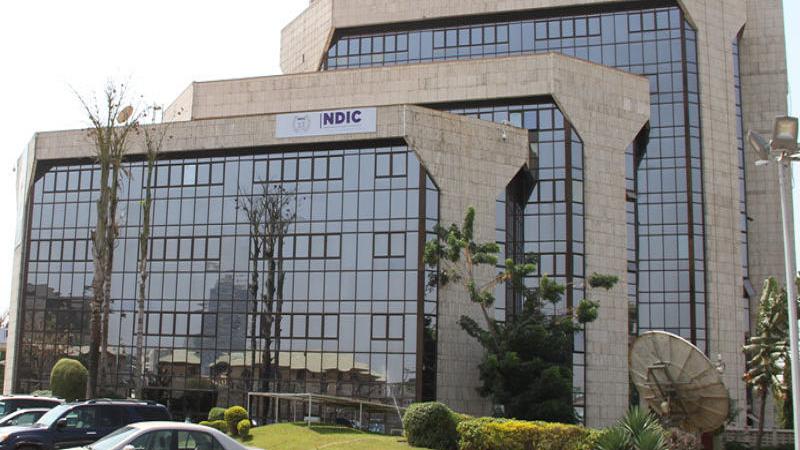
The Nigeria Deposit Insurance Corporation (NDIC) is continuing its efforts to recover value from assets associated with failed financial institutions, with its latest public notices focusing on the disposal of chattels belonging to defunct banks.
The corporation published a notice on October 13 concerning the sale of chattels of defunct banks through public auction and public competitive bidding. The development forms part of the liquidation and asset-realisation process through which recoverable value is pursued for the benefit of creditors and eligible claimants.
Asset recovery is a critical component of the work carried out by the NDIC when financial institutions cease operating. In addition to determining insured deposits and facilitating payments to eligible depositors, the corporation undertakes liquidation-related activities aimed at recovering assets and resolving outstanding obligations.
The process can involve identifying and disposing of physical assets, pursuing recoveries from debtors and managing the claims of creditors in accordance with applicable laws and procedures.
The NDIC has also been working through deposit-reimbursement exercises involving microfinance banks whose operating licences were revoked. In August, the corporation said it had commenced payments to depositors of 46 affected microfinance banks.
Such exercises are important for maintaining confidence in the financial system, particularly among customers of smaller institutions who may have limited access to information about deposit-insurance arrangements.
Nigeria’s expanded deposit-insurance framework is designed to protect eligible depositors within the applicable coverage limits. However, the amount payable to an individual depositor depends on the relevant insurance rules, the institution involved and the circumstances of the liquidation.
The corporation’s ongoing work also highlights the distinction between insured deposit reimbursement and the wider liquidation process. While eligible insured deposits are handled under the applicable deposit-insurance framework, further recoveries and payments may depend on the realisation of assets and the settlement of claims.
For depositors, creditors and other stakeholders, transparency around asset sales, claims verification and payment procedures remains important. Public notices enable interested parties to understand the applicable sale arrangements and participate where eligible.
The effectiveness of the recovery process will depend on the value realised from available assets, the speed of claims resolution and the corporation’s ability to complete liquidation activities in accordance with the law.
The NDIC’s latest notice therefore provides a current entry point for reporting on the continuing administration of failed-bank assets, while the wider deposit-insurance process remains central to protecting public confidence in Nigeria’s banking system.