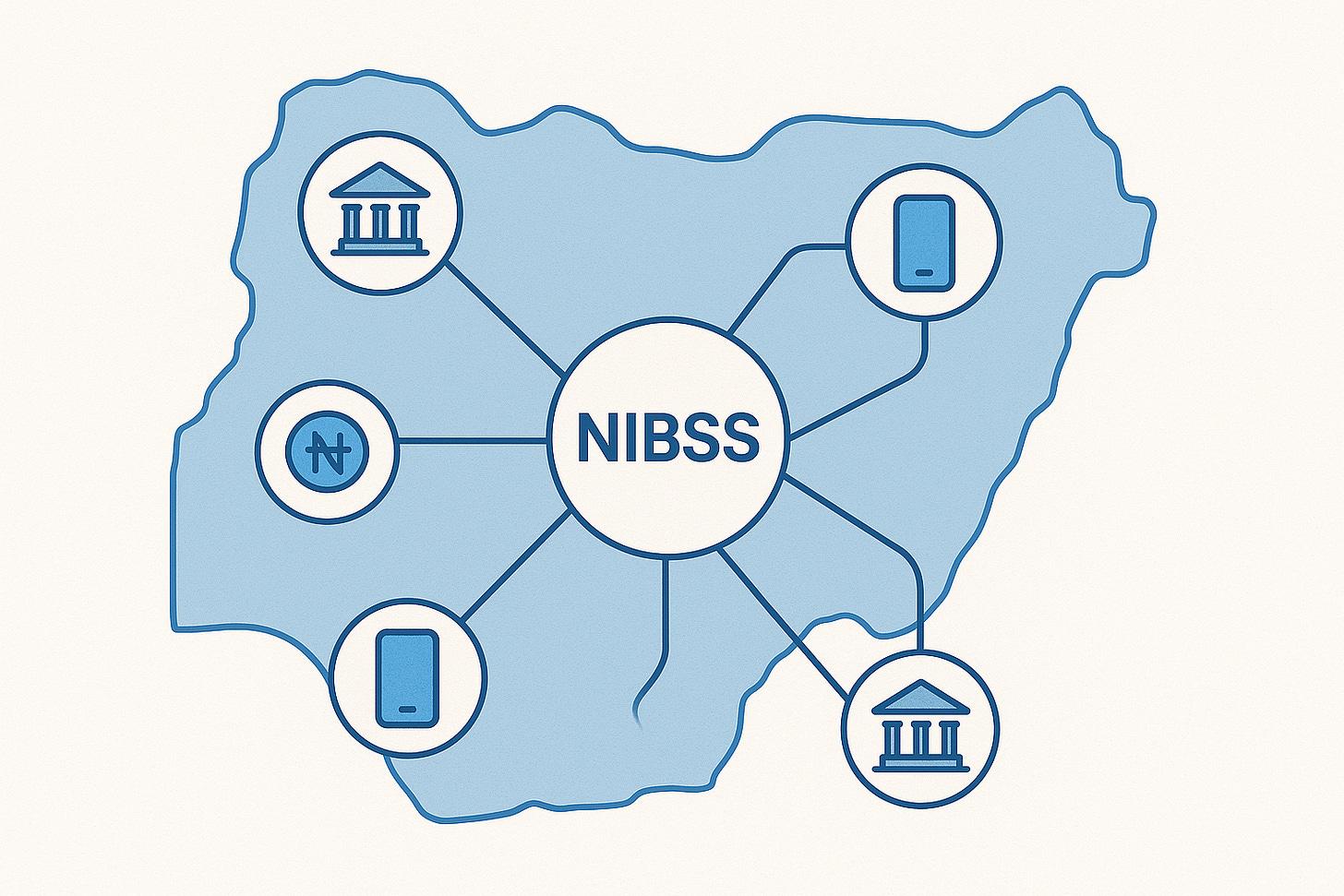
The Nigeria Inter-Bank Settlement System (NIBSS) has adopted payment-processing technology from Transactility Inc. to support the development of its National Payment Stack, a next-generation platform intended to strengthen Nigeria’s digital payments infrastructure.
The adoption, announced on October 13, centres on Transactility’s jPTS switch, which is built on the open-source jPOS framework.
NIBSS said the National Payment Stack uses a modular architecture that combines internally developed capabilities with selected open-source and enterprise technologies.
The approach is designed to give the organisation greater flexibility to customise its systems, manage its technology roadmap and respond to changing market and regulatory requirements.
The development comes as electronic payments become increasingly important to Nigerian consumers, businesses and financial institutions.
National Payment Stack targets faster digital transactions
The National Payment Stack is designed to support several payment services, including account-to-account instant transfers, QR merchant payments, phone-number-based payment addressing and bulk payments.
These services could help banks, merchants and other payment participants build products around a common transaction infrastructure.
Instant transfers allow funds to move electronically between accounts without relying on traditional paper-based processes. QR payments can also simplify transactions by allowing customers to scan payment codes using compatible applications.
Phone-number-based payment addressing is intended to offer another way to identify recipients, potentially reducing the need to enter lengthy account details for supported transactions.
The platform’s practical impact will depend on its deployment, integration with participating institutions and the reliability of the services made available to customers.
Open-source technology gives NIBSS greater flexibility
According to NIBSS, using jPOS-based technology gives it access to the platform’s source code and greater control over customisation and development.
The jPOS framework supports payment transaction processing and messaging standards used in financial systems.
NIBSS has used the technology in parts of its payment infrastructure for several years, particularly for transactions based on the ISO 8583 messaging standard.
The National Payment Stack also incorporates support for ISO 20022, a messaging standard used to structure financial transaction information.
More structured payment messages can help participating institutions exchange transaction data in a consistent format. However, the benefits depend on how effectively the technology is implemented and integrated across the ecosystem.
What the platform could mean for fintech businesses
A reliable national payment platform can provide a foundation for banks, fintech companies and merchants to develop new digital services.
For businesses, efficient electronic payments can improve the speed of collections, simplify reconciliation and reduce dependence on cash-handling processes.
For consumers, better payment infrastructure can support more convenient transfers and merchant transactions.
The system could also help payment providers develop products that meet the needs of small businesses and customers who rely heavily on mobile financial services.
However, the platform must deliver consistent availability, strong security and effective dispute-handling arrangements to earn the confidence of businesses and consumers.
Implementation and reliability will determine success
NIBSS introduced the National Payment Stack as part of its effort to strengthen Nigeria’s instant-payment infrastructure and build on existing systems.
The latest technology adoption represents a development in the platform’s architecture, rather than proof that every planned service is already available to all users.
The next important milestones will include implementation, integration with participating institutions, performance under real-world transaction volumes and the availability of services to end users.
As digital transactions continue to expand, the ability to operate dependable payment infrastructure will remain a key competitive and economic issue for Nigeria’s financial technology sector.