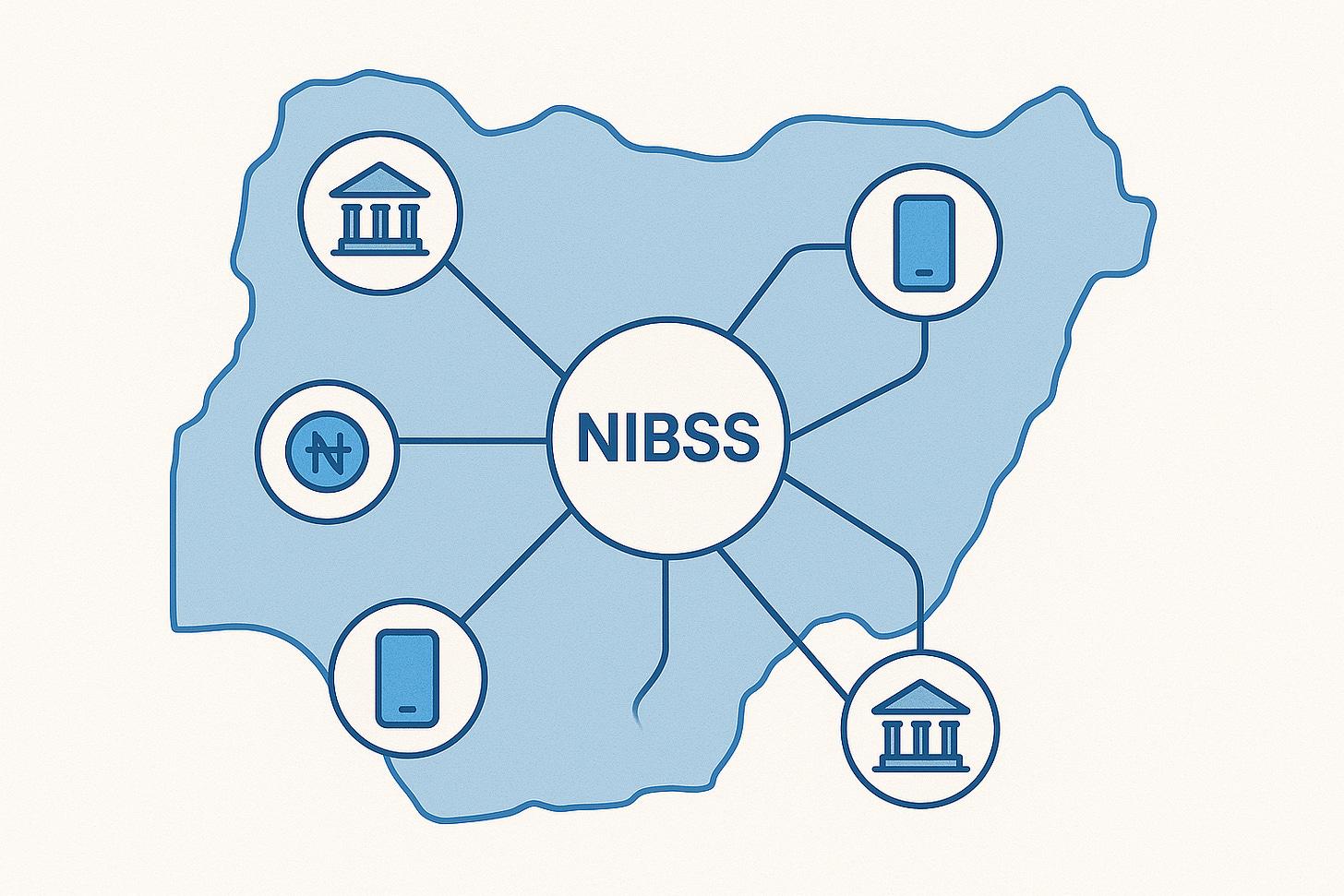
The Nigeria Inter-Bank Settlement System (NIBSS) has adopted technology from US-based Transactility to support its National Payment Stack, a next-generation platform designed to strengthen Nigeria’s electronic payments infrastructure.
The development, reported on October 13 and 15, centres on the use of Transactility’s jPOS-based technology to support the National Payment Stack’s transaction-processing capabilities.
NIBSS said the platform combines internally developed systems with selected open-source and enterprise technologies, allowing it to retain control over its architecture and future development.
The National Payment Stack is designed to support account-to-account instant transfers, QR-code merchant payments, phone-number-based payment addressing and bulk transactions.
It also incorporates support for ISO 20022, an international financial messaging standard intended to improve the structure and exchange of payment information.
For Nigeria’s financial technology ecosystem, the platform could provide a foundation for expanding digital payment services and improving the ability of financial institutions to develop products that rely on interoperable payment infrastructure.
The development comes as electronic transfers have become a central part of everyday commercial activity, from retail purchases and business payments to salary disbursements and online transactions.
By adopting a modular architecture, NIBSS aims to retain flexibility in developing the platform as transaction volumes, market requirements and regulatory expectations evolve.
The organisation has also highlighted the importance of maintaining control over the platform’s source code, architecture and development roadmap rather than depending entirely on a proprietary vendor’s release schedule.
NIBSS Managing Director and Chief Executive Officer Premier Oiwoh said the system was designed to meet the scale and demands of the Nigerian payments market.
However, the practical benefits will depend on implementation, reliability, security and the ability of participating institutions to integrate the platform effectively.
Payment infrastructure must also maintain strong safeguards against fraud, unauthorised transactions, service disruptions and operational failures. As digital transactions expand, the cost of outages or weaknesses in transaction processing can affect banks, fintech companies, merchants and consumers.
For businesses, a more capable payment infrastructure could support faster transactions and additional payment options. For consumers, the benefits would ultimately be measured through reliable transfers, improved convenience and fewer payment failures.
The adoption of jPOS technology represents another development in Nigeria’s effort to modernise its financial infrastructure. Its long-term significance will depend on how successfully the National Payment Stack expands services and complements existing payment systems.