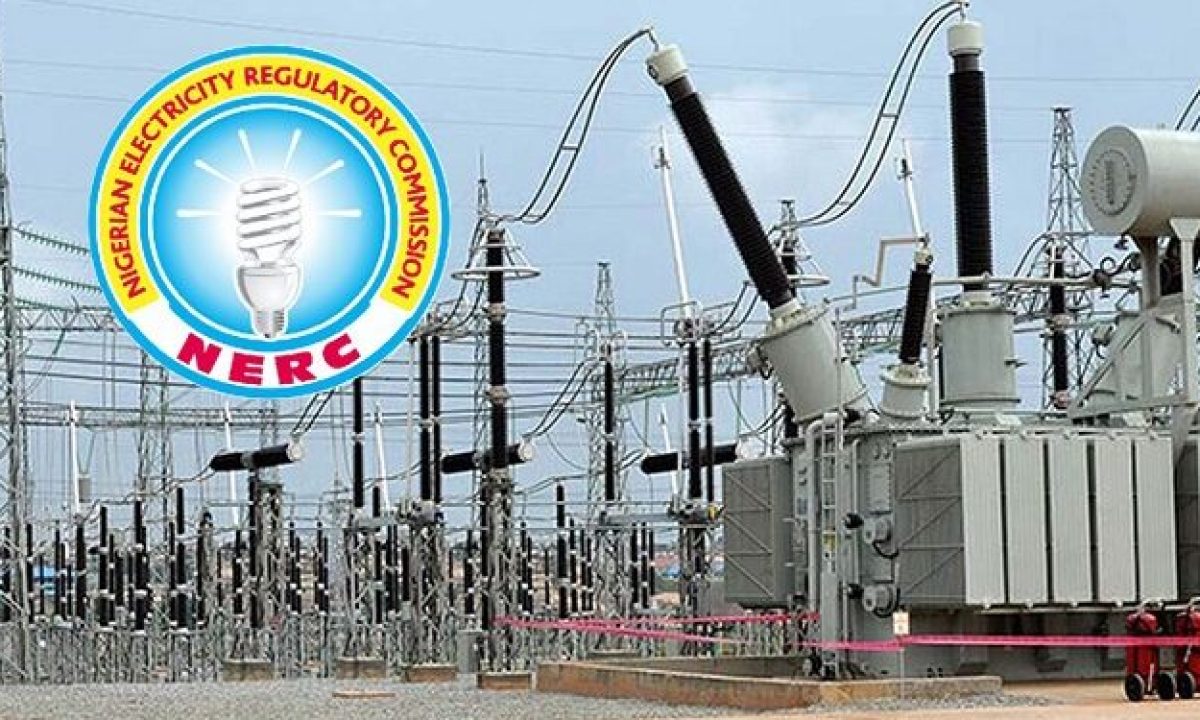
Nigeria recorded the lowest average electricity tariff among 14 selected African countries in 2025, with an average allowed end-user tariff of N124.30 per kilowatt-hour (kWh), according to the Nigerian Electricity Regulatory Commission (NERC).
NERC disclosed the figures in its 2025 annual report, which compared Nigeria’s average allowed end-user electricity tariff with rates across selected African countries, mainly in West Africa.
The commission said Nigeria’s average tariff was equivalent to $0.08/kWh, compared with an average of $0.19/kWh across the other countries surveyed.
According to NERC, Nigeria’s average electricity tariff represented 42.11% of the average rate recorded across the other selected African markets.
South Africa recorded the highest average electricity tariff at $0.27/kWh, equivalent to N399.73/kWh. Sierra Leone followed with an average tariff of $0.25/kWh, while Mali recorded $0.23/kWh.
Burkina Faso, Kenya, Gabon and Togo each recorded an average tariff of $0.22/kWh during the period. Other countries included Ghana and Rwanda at $0.18/kWh each, Uganda at $0.16/kWh, Namibia at $0.15/kWh, Ivory Coast at $0.14/kWh and Mauritius at $0.13/kWh.
NERC’s comparison showed that electricity tariffs across the selected African markets were generally higher than Nigeria’s average allowed rate in 2025.
The report comes as Nigeria continues to address financial pressures affecting the electricity supply industry while working to improve power generation and settle outstanding obligations across the sector.
In July, the Federal Government ruled out an immediate increase in electricity tariffs as efforts continued to improve generation and address financial obligations within the power sector.
The government has also introduced measures aimed at resolving accumulated debts across the electricity value chain.
In April, President Bola Tinubu approved a N3.3 trillion payment plan to settle longstanding debts in the power sector under the Presidential Power Sector Financial Reforms Programme.
The Federal Government had also concluded frameworks for a N4 trillion government-backed bond in October 2025 to settle arrears owed to power generation companies and gas suppliers.
In February, Tinubu directed ministries, departments and agencies to rely on existing electricity sector laws in determining how power subsidy costs would be shared among the federal, state and local governments in the 2026 budget.
Meanwhile, the Federal Government announced plans in 2025 to regularise electricity tariffs for Band A, B and C customers as part of efforts to support a more efficient and reliable electricity sector.
In February 2025, Eko Electricity Distribution Company officially commenced the distribution of free prepaid meters to Band A customers within its coverage areas under the Meter Acquisition Fund scheme.
Earlier, in November 2024, NERC directed electricity distribution companies to ensure that Band A customers received the required minimum of 20 hours of electricity supply daily.