The Federal Government of Nigeria has unveiled a £746 million financing agreement with the United Kingdom to deliver the most ambitious modernisation of Nigeria’s seaport infrastructure in nearly fifty years.
The arrangement, backed by UK Export Finance, will fund the comprehensive upgrade of the Lagos Port Complex Apapa and the Tin Can Island Port Complex, which together handle more than 70 percent of Nigeria’s imports and exports.
The agreement is scheduled to be formally signed during the state visit of President Bola Tinubu to London on March 18–19, 2026, marking a deepening of strategic economic cooperation between the two nations.
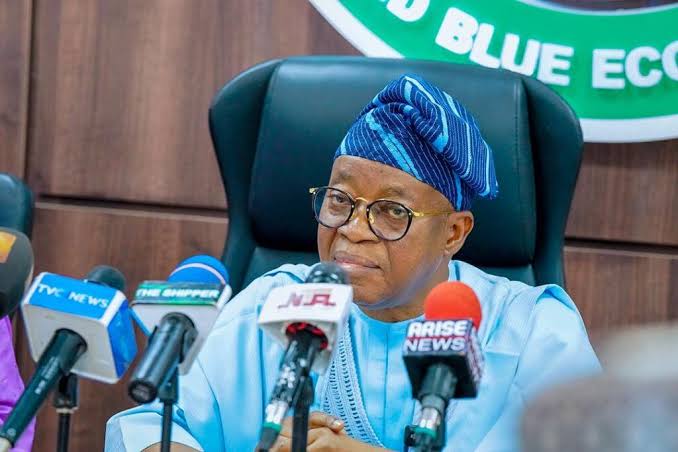
Minister of Marine and Blue Economy, Dr Adegboyega Oyetola, described the deal as a transformative milestone, noting that the scale of the modernisation represents the first comprehensive overhaul of the facilities since their establishment.
“Apapa Port and Tin Can Island Port have borne the weight of our national trade for decades, yet their infrastructure has not kept pace with modern global shipping,” Oyetola said. “This project is a comprehensive transformation that will align our ports with international best practices.”
The modernisation programme will introduce advanced cargo-handling infrastructure, expanded port capacity, and integrated digital systems to eliminate operational bottlenecks. The reforms aim to significantly reduce vessel turnaround times, decrease cargo dwell times, and replace outdated manual procedures with automated systems.
“Efficiency at the ports is central to the health of the national economy,” Oyetola said. “By modernising our infrastructure and embracing digital technologies, we will enable faster clearance of imports and exports, reduce logistics costs, and ensure a more predictable and transparent cargo movement system. These improvements will stimulate economic growth and generate increased revenue for national development.”
The Minister emphasised that the project strengthens Nigeria’s strategic position within regional and global maritime networks, attracting more shipping traffic and reinforcing the country as a key gateway for trade across West and Central Africa.
“Our vision is to build a port system that reflects the aspirations of a modern and globally competitive Nigeria. This modernisation is a bold and necessary step in that direction, enhancing efficiency, deepening investor confidence, and supporting the nation’s long-term economic ambitions,” Oyetola added.