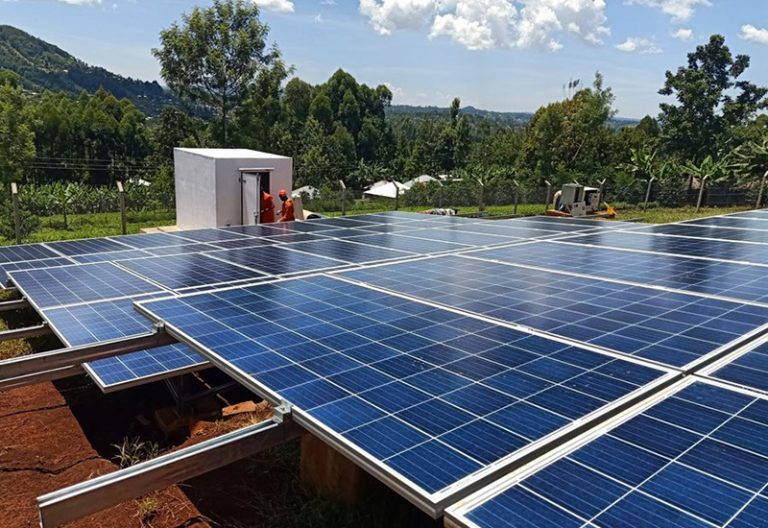
Nigeria is pursuing an ambitious expansion of its electricity generation capacity, with plans to reach 209,000 megawatts (MW) of power generation by 2050. The target is being supported by a growing pipeline of renewable energy investments, particularly in the solar power sector.
According to a report by IIR, there are currently 53 large-scale solar power projects underway across the country. The projects, valued at approximately $11 billion, are expected to play a major role in strengthening Nigeria’s energy mix and increasing electricity supply.
The report noted that the projects are being tracked nationwide and reflect growing investor confidence in Nigeria’s renewable energy sector. As demand for cleaner and more sustainable energy sources rises, solar power is becoming a key component of the country’s long-term electricity strategy.
The planned solar developments are expected to contribute significantly to Nigeria’s energy transition agenda. Government policies continue to prioritise renewable energy expansion as a means of boosting generation capacity, reducing dependence on fossil fuels, and improving access to electricity.
Beyond utility-scale solar projects, Nigeria is also advancing decentralised electrification initiatives. Through a nationwide programme led by the Rural Electrification Agency (REA), the Federal Government is deploying more than 1,300 solar mini-grids and off-grid power systems.
The initiative is designed to bring electricity to rural and underserved communities that remain outside the national grid. By expanding access to reliable power, the programme is expected to support economic growth, improve living standards, and enhance opportunities for businesses and households in remote areas.
Industry stakeholders believe that the combination of large-scale solar investments and off-grid solutions will accelerate Nigeria’s journey toward a more resilient and sustainable energy future.