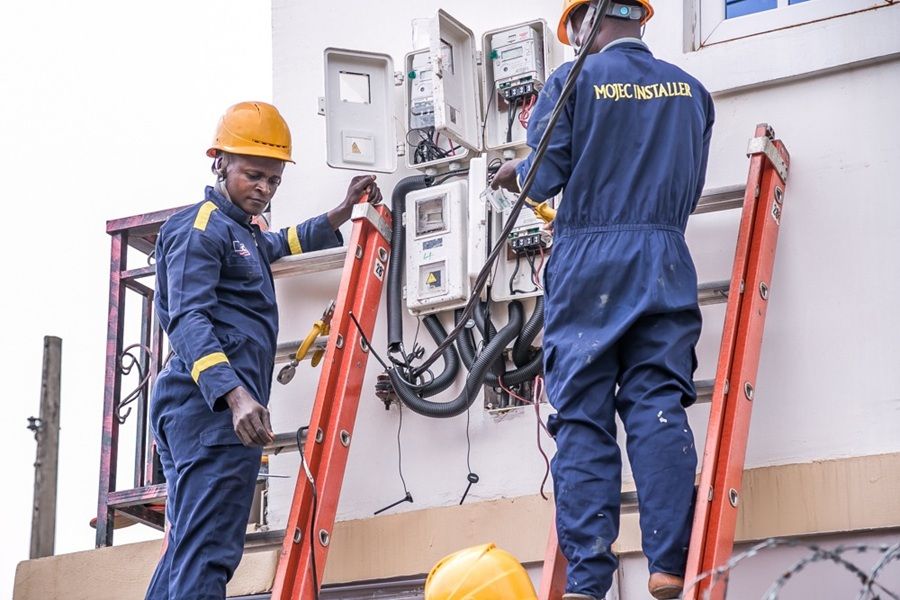
Nigeria’s electricity metering coverage increased to 64.69 per cent in October 2026, reflecting progress in the distribution of meters across the country, although more than 4.5 million active customers remained without meters.
Data from the Nigerian Electricity Regulatory Commission (NERC) showed that the number of metered electricity customers rose from 7.09 million in January to 8.35 million in October, representing an increase of 17.87 per cent over the 10-month period.
The growth in metered customers outpaced the expansion in the total active customer base, which increased by 5.56 per cent to 12.91 million during the same period.
Consequently, national metering coverage improved from 57.93 per cent at the beginning of the year to 64.69 per cent in October.
Despite the improvement, approximately 4.56 million active electricity customers were still without meters as of October, leaving a significant portion of consumers dependent on estimated billing.
Among the 11 electricity distribution companies, Ibadan Electricity Distribution Company recorded the largest increase in metered customers, adding 338,794 installations between January and October.
Benin Electricity Distribution Company followed with an increase of 202,980 metered customers, while Abuja Electricity Distribution Company added 146,636 over the same period.
The figures indicate that metering progress has varied across distribution networks, with some operators recording considerably higher installation volumes than others.
However, the pace of new installations slowed in October. Distribution companies metered 144,694 customers during the month, representing a 10.93 per cent decline from the 162,455 customers metered in September.
Despite the month-on-month slowdown, October’s installations were still 20.79 per cent higher than the number recorded in January.
The expansion of metering coverage is important to efforts to improve transparency in electricity billing and reduce disputes between consumers and distribution companies.
Meters enable customers to pay for electricity based on actual consumption rather than estimated charges, which have remained a source of complaints in the power sector.
The remaining 4.56 million unmetered customers therefore represent a substantial gap in the country’s metering programme.
Sustained installation efforts will be necessary to improve billing accuracy, strengthen consumer confidence and ensure that more electricity users have access to transparent consumption records.
While the latest figures show progress, the challenge for the distribution companies and regulators will be to maintain the pace of installations and close the remaining metering gap.