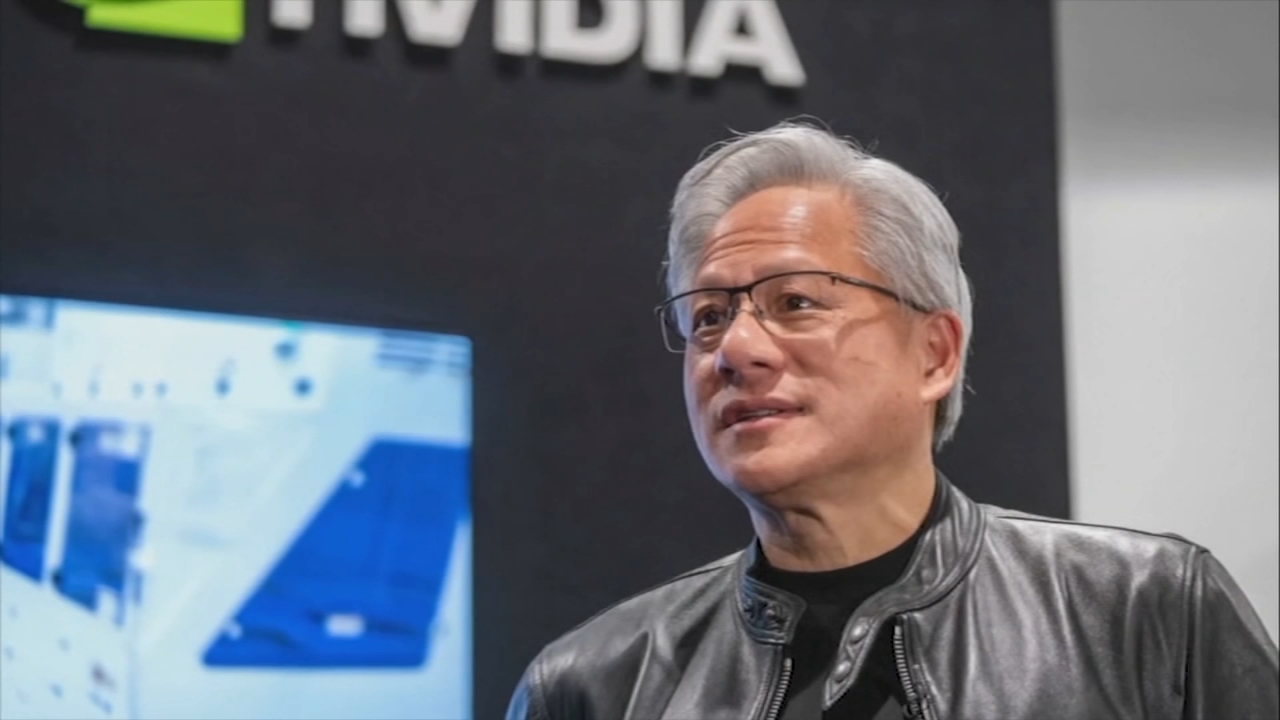
Nvidia has reinstated its founder, Jensen Huang, as president and chief executive officer, reversing an earlier decision that had removed him from the leadership of the world’s most valuable artificial intelligence chipmaker.
The company announced on November 23 that its board of directors had unanimously approved Huang’s return following discussions with him and input from senior officials of the United States government.
The decision restores Huang to the top executive position and to the company’s board, ending a brief leadership disruption at a critical period for Nvidia and the global semiconductor industry.
In its announcement, Nvidia said the board had become satisfied with Huang’s candour and ability to lead the company. Board chairman Harvey C. Jones said the directors believed Huang remained the right person to lead the business and that his reinstatement was in the interests of shareholders, employees, partners and customers.
The board also said the input received from senior levels of the US government helped address concerns surrounding the implications of Huang’s return for national security.
US President Donald Trump publicly took credit for helping secure the decision, saying he had spoken directly to Nvidia’s board because of concerns about the company’s future following Huang’s departure.
The intervention has drawn attention to the relationship between Washington and major technology companies, particularly as Nvidia occupies a central position in the global artificial intelligence supply chain and the United States continues to tighten controls on advanced semiconductor exports.
The circumstances surrounding Huang’s initial departure also remain a subject of scrutiny. His resignation followed disclosures about a personal relationship that attracted questions over possible national security implications and the company’s exposure to investigations involving the movement of advanced chips to China.
The US Justice Department has not concluded that Huang or Nvidia committed criminal wrongdoing, while investigations into alleged export-control violations and related matters remain ongoing. Congressional scrutiny and calls for further accountability have also added to the pressure surrounding the company.
The board’s decision to reinstate Huang without a prolonged leadership transition is significant because of his central role in Nvidia’s growth from a graphics-processing company into a dominant supplier of chips and systems used to train and operate advanced AI models.
Under his leadership, Nvidia has become a major beneficiary of the global expansion in generative AI, with its graphics processing units, networking products and software ecosystem widely used by cloud providers, technology companies and research institutions.
The company’s future strategy is closely tied to demand for AI computing infrastructure, competition from rival chipmakers and efforts by major technology companies to develop their own processors.
Huang’s return therefore provides continuity at the top of a business whose products have become strategically important to the technology industry and national economic competitiveness.
However, the involvement of senior government officials in the board’s decision has raised wider questions about corporate governance, board independence and the extent to which national security considerations can influence leadership decisions in strategically important technology companies.
For Nvidia, the immediate challenge will be to maintain confidence among investors, employees and customers while navigating the investigations and policy issues surrounding advanced AI chips.