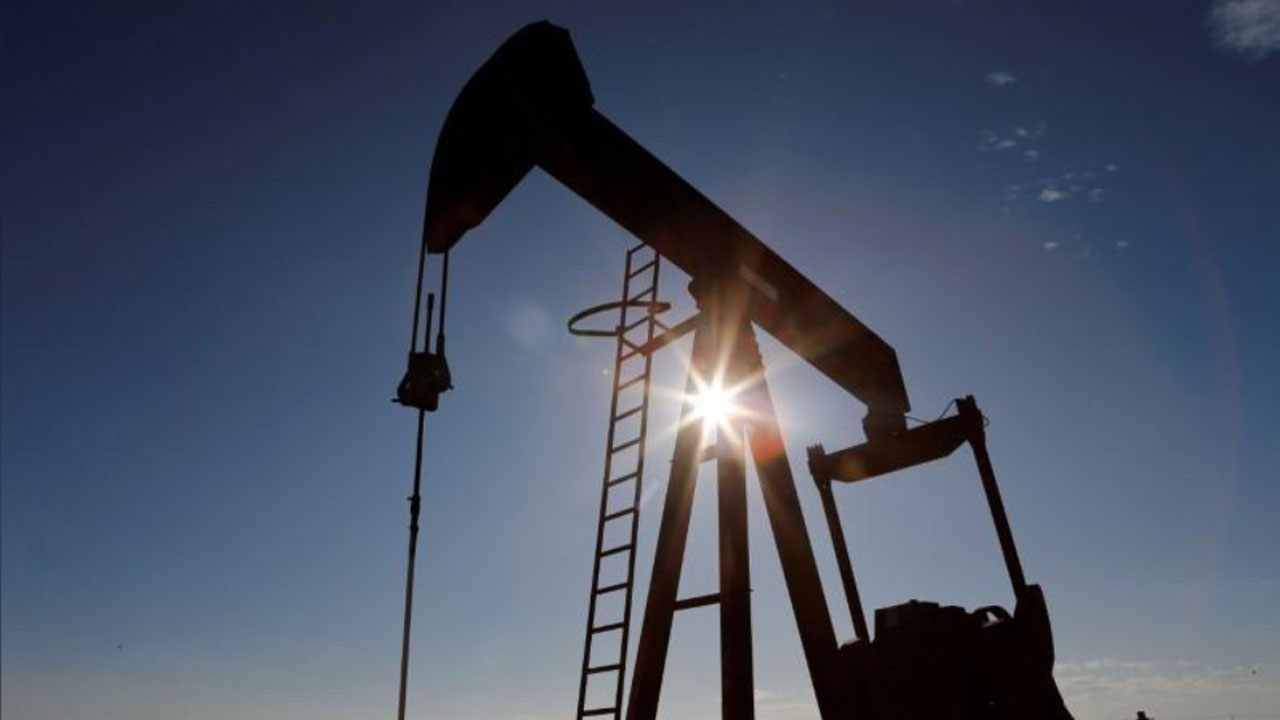
Oil prices fell by more than 1 per cent on Thursday as investors weighed the threat to global supplies from attacks on shipping through the Strait of Hormuz against possible US measures to reduce petroleum transportation costs.
Brent crude futures declined by $1.64, or 1.6 per cent, to $104.42 a barrel by 0337 GMT, while US West Texas Intermediate crude futures fell 98 cents, or 1 per cent, to $94.11.
The declines reversed gains recorded during the previous trading session, according to the supplied Reuters report.
Despite the retreat, the oil market remained sensitive to developments affecting shipping through the Strait of Hormuz, a strategic route for international crude oil and petroleum-product trade.
Strait of Hormuz remains a supply concern
The disruption of shipping linked to the Iran war has increased concern about oil supply and raised freight costs.
The Strait of Hormuz is a critical passage for energy shipments, meaning sustained disruption can affect the availability and cost of crude oil and refined products in international markets.
Investors have therefore been monitoring security developments, shipping activity and government responses to the disruptions.
The risk of further interruptions has provided support for prices, even as other developments have limited gains.
Washington considers possible sanctions changes
The report said the Trump administration was considering easing sanctions on certain so-called shadow-fleet vessels that have transported oil and petroleum products from countries including Russia, Iran and Venezuela.
A US official was quoted as saying the discussions involved the possibility of allowing what the official described as “legal oil” to move on previously sanctioned vessels.
Any change would depend on the details of the proposed measures and their implementation. The supplied report does not establish that the administration has adopted or implemented a final policy.
If restrictions were eased, the impact on oil prices would depend on the volume of additional supply reaching the market, the vessels affected and the extent to which transportation costs declined.
Higher production limits price gains
The report also cited increased output from Russia and the Middle East as a factor helping to restrain prices.
Russia’s crude-oil production rose by 65,000 barrels per day in September to 8.43 million barrels per day, according to figures attributed to the International Energy Agency.
However, output remained 870,000 barrels per day below the level recorded a year earlier.
The figures illustrate the competing pressures confronting the market: supply disruptions and higher freight costs on one side, and additional production or potential changes to shipping restrictions on the other.
Implications for fuel-importing economies
Changes in international crude prices can influence the cost of imported petroleum products, although the impact on local pump prices depends on exchange rates, refining and distribution costs, taxes and domestic market conditions.
For Nigeria, the effect of a decline in global crude prices will therefore depend on the cost of sourcing refined products and the wider conditions affecting domestic supply.
A single-day decline does not necessarily signal a sustained reduction in fuel costs, particularly while geopolitical and shipping risks remain elevated.
Traders are expected to continue monitoring developments in the Middle East, US sanctions policy and production levels for indications of the market’s next direction.