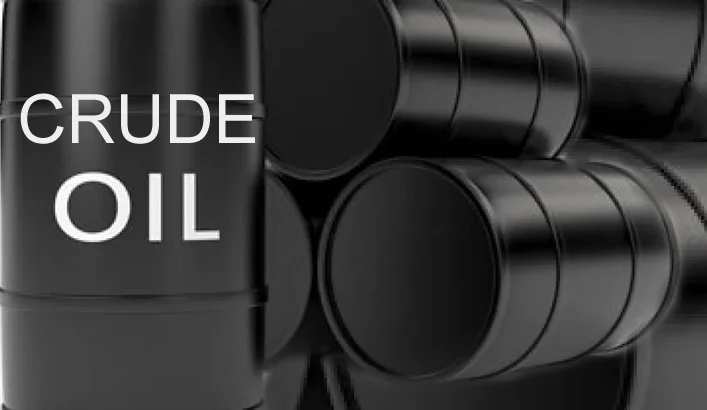
Global oil prices may witness a sharp decline if the United States and Iran finalise an agreement expected to reopen the Strait of Hormuz after weeks of conflict in the Middle East.
Brent crude hovered between $103 and $105 on Sunday amid growing optimism that diplomatic efforts could bring an end to the month-long war.
The expected reopening of the strategic waterway has sparked speculation that both crude oil and petrol prices could fall significantly in the coming weeks.
According to a report by The New York Times, the United States and Iran have agreed in principle to a deal aimed at ending the conflict by reopening the Strait of Hormuz and ensuring Iran disposes of its highly enriched uranium.
The newspaper quoted a senior US official as saying the agreement had not yet been signed and still required final approval from US President Donald Trump and Iran’s Supreme Leader.
Iranian authorities and state media have not publicly commented on the details of the proposed agreement.
President Trump had earlier announced that the Strait of Hormuz would be reopened as part of a broader deal involving the United States, Iran and several Middle Eastern countries.
Trump disclosed this in a post on his Truth Social platform after holding talks with leaders from Saudi Arabia, the United Arab Emirates, Qatar, Pakistan, Türkiye, Egypt, Jordan, Bahrain and Israel.
According to him, the agreement has largely been negotiated, although final details are still under discussion.
He said the Strait of Hormuz, through which nearly 20 per cent of global oil supply passes, would be reopened once the agreement is finalised.
Iran shut down the strategic waterway after the conflict began on February 28, causing major disruptions to global oil supply chains and triggering a spike in crude oil prices.
The closure also contributed to rising fuel prices in several countries, including Nigeria, where petrol prices reportedly climbed from around N830 per litre to over N1,300.
Trump said talks with Iran were progressing in an “orderly and constructive manner” but stressed that negotiations should not be rushed.
In another post on Truth Social, the US president stated that the blockade on Iranian ports would remain in place until a final agreement is reached.
“Both sides must take their time and get it right. There can be no mistakes!” Trump wrote.
He also insisted that Iran would not be allowed to develop or acquire nuclear weapons under any circumstances.
Trump described the relationship between the United States and Iran as becoming more “professional and productive” and thanked Middle Eastern leaders for their cooperation and support during negotiations.
The US president confirmed that he had discussions with Saudi Crown Prince Mohammed bin Salman, UAE President Mohammed bin Zayed Al Nahyan, Qatar’s Emir Tamim bin Hamad Al Thani, Pakistan’s Field Marshal Syed Asim Munir, Turkish President Recep Tayyip Erdoğan, Egyptian President Abdel Fattah El-Sisi, Jordan’s King Abdullah II and Bahrain’s King Hamad bin Isa Al Khalifa.
He also held a separate conversation with Israeli Prime Minister Benjamin Netanyahu, which he described as positive.
The reopening of the Strait of Hormuz is expected to ease pressure on global energy markets and improve oil supply stability.
Analysts believe a drop in crude oil prices could eventually lead to lower petrol prices in Nigeria and other oil-importing countries.
For many Nigerians already struggling with rising transportation and living costs, any reduction in fuel prices would offer significant economic relief.