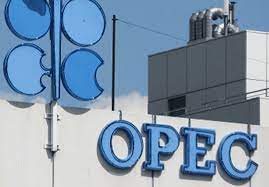
The Organisation of the Petroleum Exporting Countries and its allies (OPEC+) have agreed to increase oil production quotas by a combined 188,000 barrels per day for July.
The decision was reached during a virtual meeting of oil ministers from key OPEC+ members, including Saudi Arabia, Russia, Iraq, Kuwait, Kazakhstan, Algeria, and Oman.
According to a statement released by the group on Sunday, the increase is intended to support stability in the global oil market. The latest adjustment is in line with production increases approved in recent months.
Despite the move, market analysts believe the additional supply is unlikely to significantly influence oil prices, which have remained elevated due to ongoing tensions in the Middle East.
Jorge Leon, an analyst at Rystad Energy, said the planned increase would have little impact while concerns persist over disruptions to oil shipments through the Strait of Hormuz.
“It means very little while the Strait of Hormuz remains closed,” Leon said.
He noted that the market’s immediate challenge is not a lack of production quotas but uncertainty over the movement of physical oil supplies.
“The market is not short of quota announcements; it is short of physical barrels that can actually move. In that sense, the 188,000 barrels per day increase would be more of a policy signal than a real supply boost,” he added.
In its statement, OPEC+ said member countries also saw an opportunity to accelerate compensation measures at a time when oil prices remain historically high.
The group reaffirmed its commitment to maintaining flexibility in managing production levels. Ministers stressed the importance of taking a cautious approach and retaining the ability to increase, pause, or reverse production adjustments when necessary.
The statement also referenced the voluntary production cuts first announced in November 2023, noting that the alliance remains prepared to modify its strategy depending on market conditions.
Leon said OPEC+ appears to be preparing for potential changes in the geopolitical landscape, particularly if tensions affecting the Strait of Hormuz ease.
According to him, a reopening of the critical shipping route could quickly shift market sentiment from fears of supply shortages to concerns about oversupply.
“When the Strait of Hormuz reopens, the market could move very quickly from fear of shortage to fear of surplus,” he said.
He further warned that a combination of returning OPEC+ production, increased output from U.S. shale producers, and weaker demand following a period of high prices could create a significant surplus in the global oil market.
“Returning OPEC+ supply, a stronger US shale response and weaker demand after a period of very high prices could leave the market with a very large oversupply problem,” Leon added.
The latest OPEC+ decision highlights the balancing act facing oil-producing nations as they seek to stabilise markets while navigating geopolitical risks and uncertain demand prospects.