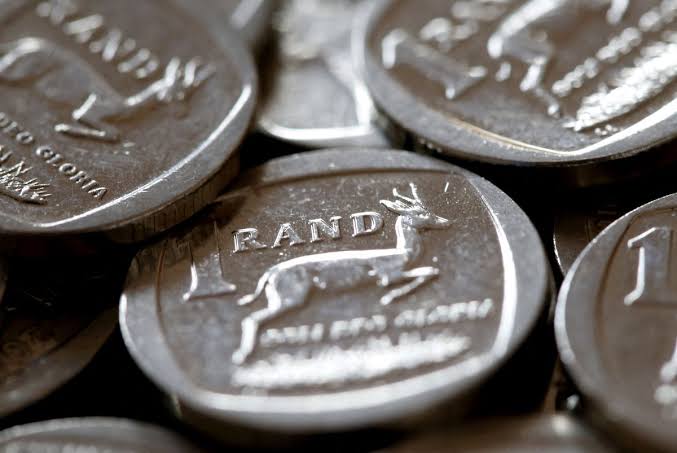
The South African rand remained steady in early trading as investors awaited important domestic inflation data that could provide fresh clues about the direction of the country’s economy.
The currency showed little movement against the US dollar on Wednesday, August 19, 2026. Investors were closely watching inflation figures, which could influence expectations about future decisions by the South African Reserve Bank.
The calm trading followed a period of pressure on the rand.
On the previous day, the currency faced concerns linked to global tensions and weaker gold prices. These factors affected investor appetite for risk and added pressure to South African financial markets.
For investors, the new inflation data is important because it could influence expectations about interest rates.
Higher or lower inflation can affect how central banks respond to economic conditions.
Why inflation matters to the rand
Inflation measures how quickly the prices of goods and services are increasing.
When inflation rises sharply, the cost of living becomes more expensive for households. People may spend more money on food, transport, electricity and other essentials.
Central banks often use interest rates as one of their main tools for managing inflation.
If inflation is too high, a central bank may consider raising interest rates to slow price increases. If inflation falls or remains under control, policymakers may have more flexibility.
Investors therefore watch inflation figures closely.
Interest rates can influence where investors decide to put their money. Higher rates can sometimes make a country’s financial assets more attractive, although investors also consider many other factors, including political stability and economic growth.
For South Africa, the latest inflation data could provide an important signal about the direction of monetary policy.
Reuters reported that investors were waiting for the domestic figures amid expectations that inflationary pressure could moderate.
Global events continue to influence markets
The rand is affected not only by events inside South Africa.
Global developments can also have a major impact.
South Africa is considered an emerging market, and its currency can react to changes in international investor confidence.
When investors become worried about global conflicts or economic uncertainty, they may move money into assets they consider safer.
This can reduce demand for emerging-market currencies.
Recent tensions in the Middle East have been one of the factors affecting global market sentiment. Concerns about wider instability have encouraged caution among investors.
Energy prices, global trade and the strength of the US dollar can also influence the rand.
Gold prices are another important factor
South Africa has a long history as a major mining economy.
Gold remains important to the country’s financial markets and export sector. Changes in gold prices can therefore influence investor perceptions.
When gold prices fall, some investors may become less positive about countries with major mining industries.
Recent declines in the price of gold were among the factors that contributed to pressure on the rand earlier in the week.
However, the relationship between commodity prices and currencies can be complex.
The rand is influenced by many factors at the same time, including domestic economic data, interest rate expectations, political developments and global market conditions.
South African economy remains in focus
The performance of the rand is closely linked to wider concerns about South Africa’s economic future.
The country continues to face challenges involving unemployment, infrastructure, electricity supply and the cost of living.
At the same time, investors are watching for signs of improvement in business confidence and economic growth.
Recent data showed an improvement in South African business confidence in July, although inflation concerns and uncertainty remained important issues.
A stable currency can help reduce uncertainty, particularly for businesses involved in importing goods or paying for international services.
However, currency markets can change quickly.
Even when the rand appears steady during early trading, new economic data or international developments can lead to sudden movements.
What investors will watch next
The immediate focus remains on the inflation figures.
If the data shows inflation moving in an unexpected direction, investors may adjust their expectations about interest rates.
The South African Reserve Bank’s future decisions will also remain important.
Central banks try to balance the need to control inflation with the need to support economic growth.
Higher interest rates can help fight inflation but may make borrowing more expensive. Lower rates can encourage spending and investment but may increase inflationary pressure.
Finding the right balance is therefore a major challenge.
A cautious market outlook
For now, the rand’s stability reflects a cautious market.
Investors are waiting for clearer information before making major decisions.
The currency remains exposed to both domestic and international risks.
South Africa’s inflation data could provide the next major direction for the market, while developments abroad may continue to affect investor confidence.
The performance of the rand will therefore remain closely watched in the coming days.
For South African households, currency movements and inflation are not simply financial headlines. They can affect the cost of imported goods, fuel and other products.
As investors study the latest data, policymakers will also face the continuing challenge of protecting price stability while supporting an economy that needs stronger and more inclusive growth.