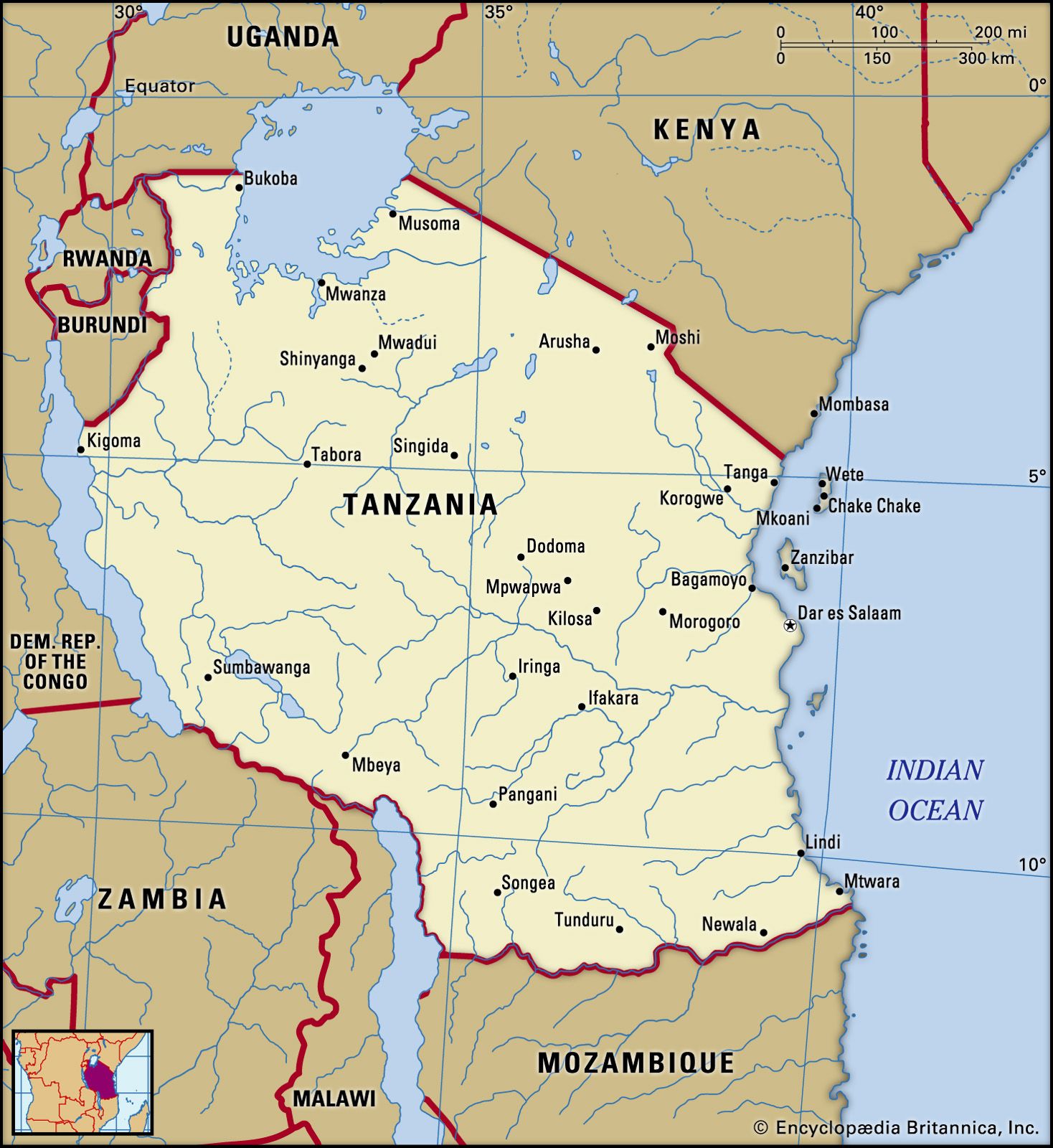
Tanzania’s central bank has lifted restrictions on foreign ownership of government Treasury bills and bonds, opening the country’s domestic government securities market to international investors for the first time.
Previously, participation was limited to investors from the East African Community (EAC), the Southern African Development Community (SADC) and members of the Tanzanian diaspora.
The Bank of Tanzania said the reform is aimed at deepening the country’s domestic financial markets and strengthening its appeal as an investment destination.
The opening of the market could provide international investors with broader access to Tanzanian government securities while giving the government a larger pool of potential investors for its domestic borrowing programme.
The policy change comes as President Samia Suluhu Hassan’s administration seeks additional sources of revenue and financing following reductions in international aid.
Hassan has been Tanzania’s president since 2021 and secured another term in office after winning a disputed election last year.
Opposition figures alleged that the election was rigged and criticised the exclusion of major opposition candidates from the contest. The election was followed by unrest and heightened political tensions.
Hassan has rejected criticism of her human rights record and defended the integrity of the election.
The decision to open the government securities market to all international investors represents a significant change in Tanzania’s approach to foreign participation in its domestic capital markets.
By removing the previous regional and diaspora restrictions, the central bank is seeking to broaden the investor base and increase international participation in Treasury bills and government bonds.
The reform could also improve liquidity and market depth if international investors respond positively to the expanded access.
For Tanzania, attracting more foreign capital could become increasingly important as the government navigates changes in external financing and seeks to strengthen domestic sources of funding.
The central bank’s move therefore combines financial-market reform with a broader effort to position Tanzania as a more attractive destination for international investment.