Petrol prices in the United Arab Emirates rose by more than 30 per cent on Wednesday, while diesel prices surged by 72 per cent, marking a sharp increase just one month into the ongoing Middle East war.
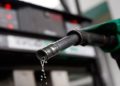
New monthly fuel rates released by the UAE’s fuel price committee show petrol prices rising between 31 and 33 per cent for April, with the highest-grade petrol now priced at 3.39 AED ($0.92) per litre.
Diesel, widely used by trucks and buses across the country, recorded the steepest increase, climbing to 4.69 AED ($1.28) per litre.
The spike in fuel prices comes amid escalating regional tensions. Iran, located across the Strait of Hormuz, has reportedly carried out daily drone and missile attacks targeting the UAE since February 28.
The Strait of Hormuz, a critical global shipping route, normally carries about 20 per cent of the world’s oil supply from Gulf producers to international markets.
However, the waterway has been largely disrupted under the threat of Iranian attacks, triggering sharp increases in global crude oil prices.
The surge in oil prices has had a ripple effect across fuel markets worldwide, including in other Gulf countries.
In Kuwait, another major oil producer and member of the Organisation of Petroleum Exporting Countries (OPEC), high-grade petrol prices rose by 12.5 per cent for April.
Similarly, Qatar increased the price of its standard gasoline by 7.9 per cent, reflecting broader regional adjustments linked to the supply disruptions.
Energy analysts say the continuing instability around the Strait of Hormuz is likely to keep fuel prices volatile, given the strategic importance of the route to global energy supply chains.
They warn that prolonged disruptions could further push up oil prices, affecting transportation costs, inflation and energy markets worldwide.