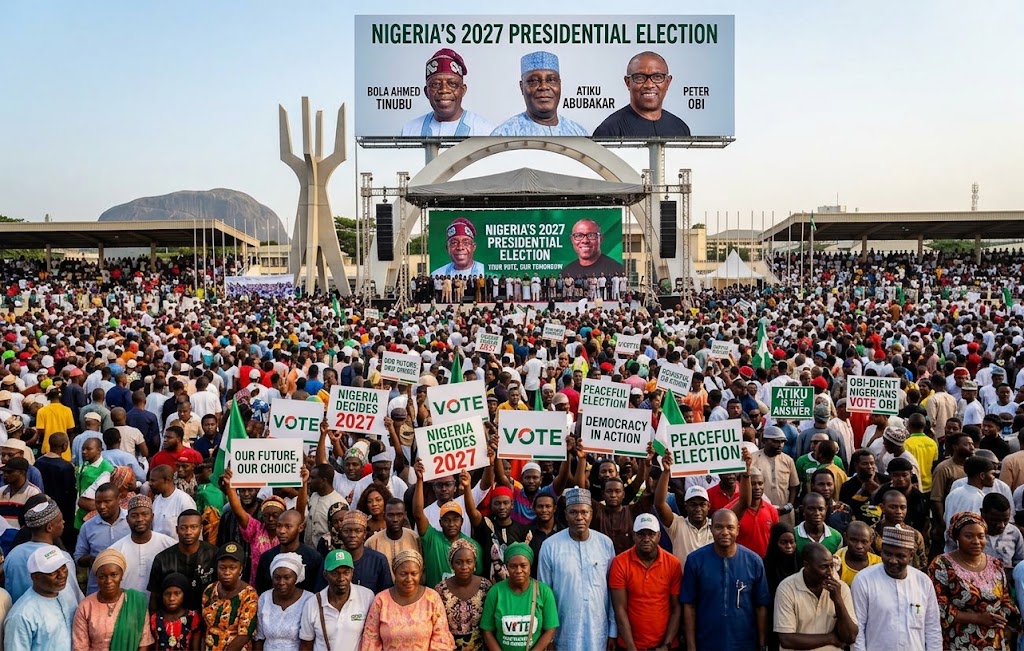
Nigeria’s 2027 election season is entering a more contentious phase, with opposition leaders raising concerns over alleged intimidation, attacks and the potential use of state institutions against political rivals.
The concerns intensified following the reported obstruction of the convoy of Nigeria Democratic Congress, NDC, presidential candidate Peter Obi during a visit to Benue State.
Oyo State Governor and Allied Peoples Movement presidential candidate Seyi Makinde condemned the incident, alleging that suspected political thugs blocked Obi’s convoy while he was travelling to Yelwata to visit families affected by killings in the area.
The allegations have added a new dimension to the political contest as parties move from internal preparations towards full-scale campaigns.
Makinde Demands Accountability
Makinde described the incident as unacceptable and accused the ruling All Progressives Congress, APC, of attempting to restrict opposition political activity.
The APC has faced similar criticism from other opposition figures, although allegations of state-sponsored intimidation remain politically contested and should not be treated as established fact without investigation.
The Guardian reported that opposition leaders have also raised concerns about calls for investigations by the Economic and Financial Crimes Commission, EFCC, with former Vice President Atiku Abubakar describing efforts to draw him into a probe as politically motivated.
The broader concern among opposition parties is that the 2027 campaign could become increasingly confrontational as the presidential contest intensifies.
Police Arrest 46
The controversy surrounding Obi’s Benue visit has also attracted the attention of security agencies.
Police reportedly arrested 46 people following the disruption, while opposition figures continued to demand a comprehensive investigation into what happened.
For Nigeria, the implications extend beyond individual candidates.
Political violence, intimidation and restrictions on campaign activity have historically complicated elections and undermined public confidence in the democratic process.
With campaigns now gathering momentum, security agencies will face increasing pressure to demonstrate neutrality while protecting candidates and supporters across political parties.
The approaching election will consequently test not only the strength of Nigeria’s political parties but also the ability of state institutions to guarantee a competitive environment in which candidates can campaign freely.