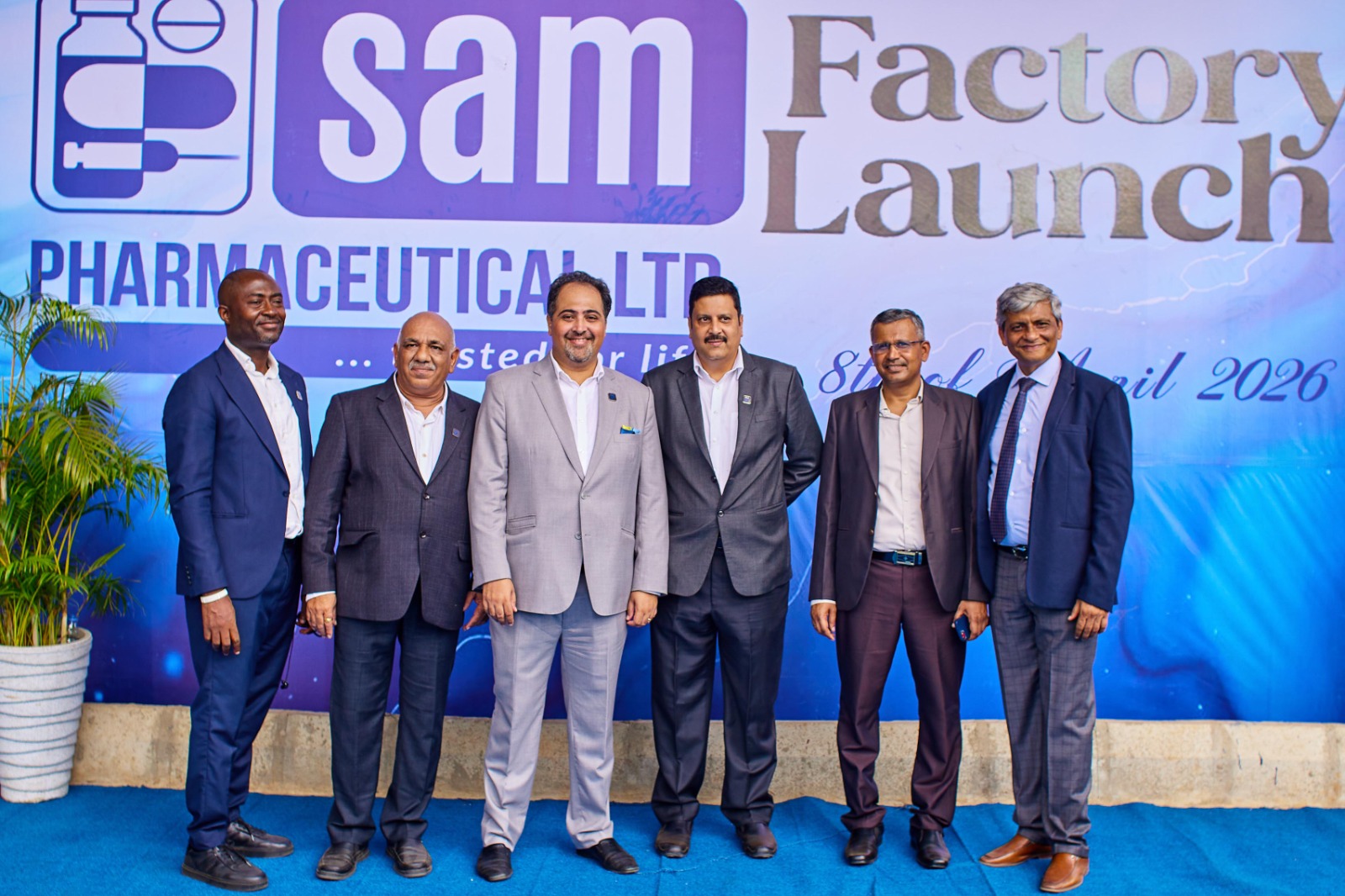
Sam Pharmaceutical Limited has inaugurated a new manufacturing facility in Ota, Ogun State, in a move set to significantly expand Nigeria’s local drug production capacity.
The plant, located in Ota, complies with World Health Organisation Good Manufacturing Practice standards and was financed with support from First City Monument Bank and the Bank of Industry.
According to the company, the facility can produce over 400 million tablets, 50 million capsules, two million bottles of syrup, and one million pouches monthly—marking a major scale-up in domestic pharmaceutical output.
Nigeria has intensified efforts to strengthen local manufacturing, particularly after the COVID-19 pandemic exposed vulnerabilities tied to reliance on imported medicines.
At the commissioning ceremony, Minister of State for Health Adekunle Salako said the project aligns with the Federal Government’s goal of boosting local production and reducing import dependency.
Ogun State Deputy Governor Noimot Salako-Oyedele noted that the facility would create jobs, stimulate economic activity, and improve access to essential medicines across the region.
Director-General of the National Agency for Food, Drug Administration and Control, Mojisola Adeyeye, described the plant as a sign of growing compliance with international standards in Nigeria’s pharmaceutical sector.
Managing Director of First City Monument Bank, Yemisi Edun, revealed that the project received a ₦3 billion term loan in partnership with the Bank of Industry, alongside over ₦3.2 billion in working capital financing. She said the funding reflects the bank’s commitment to strengthening local manufacturing and key sectors of the economy.
Chairman and CEO of Sam Pharmaceuticals, Amit Bhojwani, said the facility would enhance the company’s production capacity and reinforce its position in Nigeria’s branded generics market.
Founded in 1971, the company produces more than 120 medicines approved by NAFDAC and operates additional facilities in Ilorin, Kwara State, alongside its new Ogun plant.
The development is expected to play a crucial role in improving medicine availability while supporting Nigeria’s broader industrialisation agenda.