A fresh global oil crisis triggered by the Middle East conflict has intensified calls for a rapid shift to clean energy, as world leaders warn of mounting economic and energy security risks tied to fossil fuel dependence.
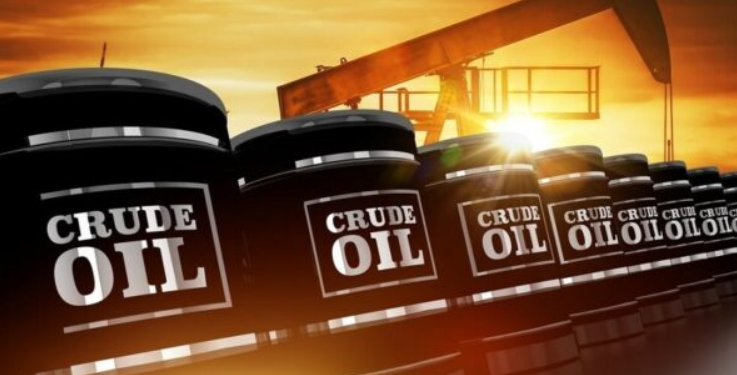
The crisis escalated after the United States and Israel launched military action against Iran in late February, prompting Tehran to shut the critical Strait of Hormuz. The disruption has sent crude oil prices soaring above $126 per barrel, putting pressure on economies worldwide.
Speaking at an energy transition meeting hosted by the International Energy Agency in Paris, Simon Stiell warned that the crisis is exposing the risks of continued reliance on fossil fuels.
“The fossil fuel cost crisis now has its foot on the throat of the global economy,” he said, adding that the situation is paradoxically accelerating the shift toward renewable energy.
The meeting comes ahead of the COP31 climate summit scheduled for November in Antalya, where countries are expected to ramp up commitments to curb emissions and expand clean energy adoption.
COP31 president-designate Murat Kurum described the current situation as the “biggest energy crisis in history,” stressing that the global economy must urgently transform its energy systems.
“The most critical step is to accelerate the transition to clean energy,” he said.
Also speaking, Fatih Birol noted that surging oil prices are straining economies, particularly in energy-importing nations. He said the agency is closely monitoring developments as governments grapple with rising costs and supply uncertainty.
The Paris discussions brought together diplomats, financial institutions, oil companies, and renewable energy firms, highlighting growing consensus on the need for structural energy reforms.
Momentum for change is also building elsewhere. At a recent conference in Santa Marta, nearly 60 countries signaled progress toward reducing reliance on fossil fuels, following disagreements at the COP30 climate summit over explicit commitments.
Stiell pointed to countries investing heavily in renewables, noting that nations such as Spain and Pakistan have been relatively shielded from the worst effects of the crisis.
He added that major economies including China, India, Indonesia, South Korea, Germany, and the United Kingdom are increasingly treating renewable energy expansion as central to national security and economic stability.
“Renewables offer safer, cheaper, and cleaner energy that cannot be disrupted by geopolitical tensions,” Stiell said, urging countries to seize the moment to accelerate the global energy transition.