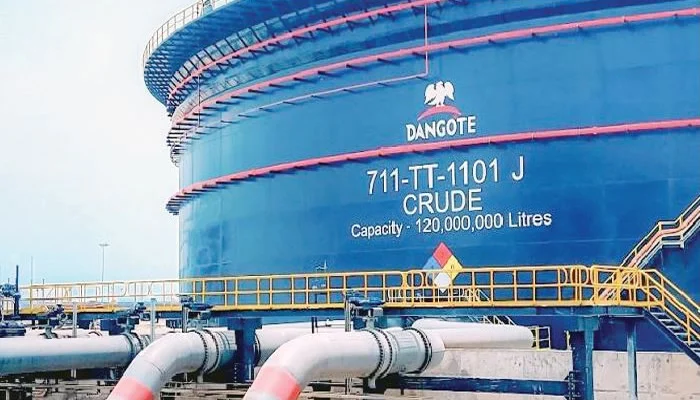
Nigeria’s aviation industry may soon get some relief after the Dangote Petroleum Refinery reduced the price of aviation fuel, also known as Jet A1, from N1,750 to N1,650 per litre.
The company announced the reduction in a statement issued on Monday. The refinery said the decision was aimed at easing the financial burden on airline operators and ensuring a steady fuel supply across the country.
The latest adjustment comes at a critical time for domestic airlines. Operators recently warned that rising aviation fuel prices could force them to suspend operations.
Since the outbreak of the US-Iran conflict, aviation fuel prices in Nigeria have risen sharply. The Airline Operators of Nigeria said the increase was far higher than the global market trend.
According to the operators, Jet A1 prices jumped from around N900 per litre before the crisis to between N2,700 and N2,900 per litre. Some marketers reportedly sold the product for as high as N3,300 per litre.
In its statement, the Dangote refinery said the price reduction was part of broader measures introduced to support the aviation sector.
The company also announced a 30-day interest-free credit facility for marketers and airline operators. The facility will be backed by bank guarantees.
In addition, the refinery confirmed a shift from a dollar-based pricing system to a naira-based model. The move is expected to reduce the pressure caused by foreign exchange fluctuations.
“Dangote Petroleum Refinery & Petrochemicals has reduced the price of aviation fuel (Jet A1) to N1,650 per litre from N1,750 per litre in a move aimed at easing cost pressures on airlines and ensuring uninterrupted fuel supply across the country,” the statement said.
Industry stakeholders have repeatedly raised concerns over the rising operational costs faced by airlines. Aviation fuel remains one of the biggest expenses for domestic carriers.
Many operators warned that the continued increase in fuel prices was threatening the sustainability of flight operations in Nigeria.
The refinery’s latest intervention is expected to lower fuel procurement costs for airlines. Analysts also believe it could improve operational stability and help moderate airfares for passengers.