The Federal Government has launched new digital platforms that will allow Nigerian taxpayers to resolve tax-related disputes free of charge through the Office of the Tax Ombud.
The platforms include a website, toll-free call centre and case management system designed to improve fairness, transparency and accountability in tax administration.
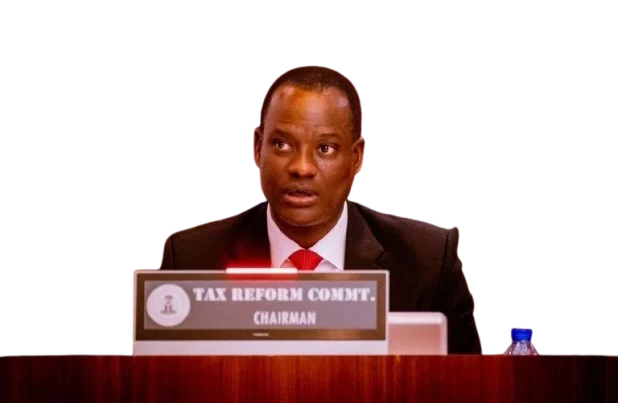
The Minister of Finance and Coordinating Minister of the Economy, Taiwo Oyedele, unveiled the platforms on Monday at the Stratton Hotel in Abuja.
Speaking during the launch, Oyedele said the initiative would make tax dispute resolution more accessible to Nigerians across the country.
“Taxpayers, regardless of location, can now engage more easily with the dispute resolution process without unnecessary administrative bottlenecks or delays, and the good news is that it is entirely free,” he said.
The minister described the launch as a major milestone in Nigeria’s fiscal reform programme, noting that a credible tax system must be built on fairness, transparency, accountability and trust.
According to him, the Office of the Tax Ombud was created to strengthen taxpayer protection and improve public confidence in the country’s tax administration process.
“This institution is designed to serve as an independent, impartial, and accessible platform for resolving complaints, mediating disputes, and addressing systemic issues affecting taxpayers across the country,” Oyedele stated.
He explained that the initiative aligns with the Federal Government’s broader tax reform agenda aimed at simplifying tax administration, reducing arbitrariness, protecting taxpayer rights and encouraging voluntary compliance.
“As we unveil these various platforms and initiatives today, let these serve as a symbol of a new era in tax administration in Nigeria, one where taxpayers are treated not as adversaries but as partners in national development,” he added.
Also speaking at the event, the Minister of Information and National Orientation, Mohammed Idris, said Nigerians needed more awareness about the role of the Tax Ombud in the government’s economic reform agenda.
Idris defended the administration’s economic reforms and claimed that Nigeria’s revenue generation and investment inflows were improving.
The Head of the Civil Service of the Federation, Didi Walson-Jack, described the digital platforms as citizen-focused reforms that would improve access to public services and complaint resolution.
“The introduction of these digital platforms speaks directly to the need for more accessible, responsive, and citizen-centred public institutions,” she said.
Walson-Jack added that tax administration should not only focus on revenue collection but also on building public trust and confidence.
She urged the Office of the Tax Ombud to ensure that the platforms remain efficient and responsive.
“The website must remain active and informative. The toll-free call centre must be responsive and professional. The case management system must support timely feedback, data-driven reporting, and measurable improvement in how complaints and inquiries are handled,” she said.
Earlier, Nigeria’s first Tax Ombudsman and Chief Executive of the Office of the Tax Ombud, John Nwabueze, said the office was established under Part Six of the Joint Revenue Board of Nigeria Establishment Act 2025.
According to him, the institution was created to promote fairness, transparency and efficiency in tax administration.
“The office of the Tax Ombud was, therefore, created as an independent and impartial institution to provide taxpayers with accessible, timely, cost-effective mechanisms for addressing complaints, resolving disputes, and promoting voluntary tax compliance,” Nwabueze said.
He explained that the digital platforms would allow taxpayers to submit complaints online or through the toll-free call centre, monitor cases in real time and access mediation services without prolonged litigation.
The Executive Secretary of the Joint Revenue Board, Olusegun Adesokan, said the initiative would help vulnerable Nigerians who cannot afford legal representation in tax disputes.
Also speaking, the Special Adviser to the President on Economic Affairs in the Office of the Vice President, Tope Fasua, said the creation of the Tax Ombud formed part of the broader tax reform programme introduced by President Bola Tinubu’s administration.
He added that the reforms were intended to widen the tax net while reducing tax pressure on small businesses and low-income earners.
In June 2025, President Tinubu signed four major tax reform bills into law, including the Nigeria Tax Act, aimed at modernising Nigeria’s tax system.