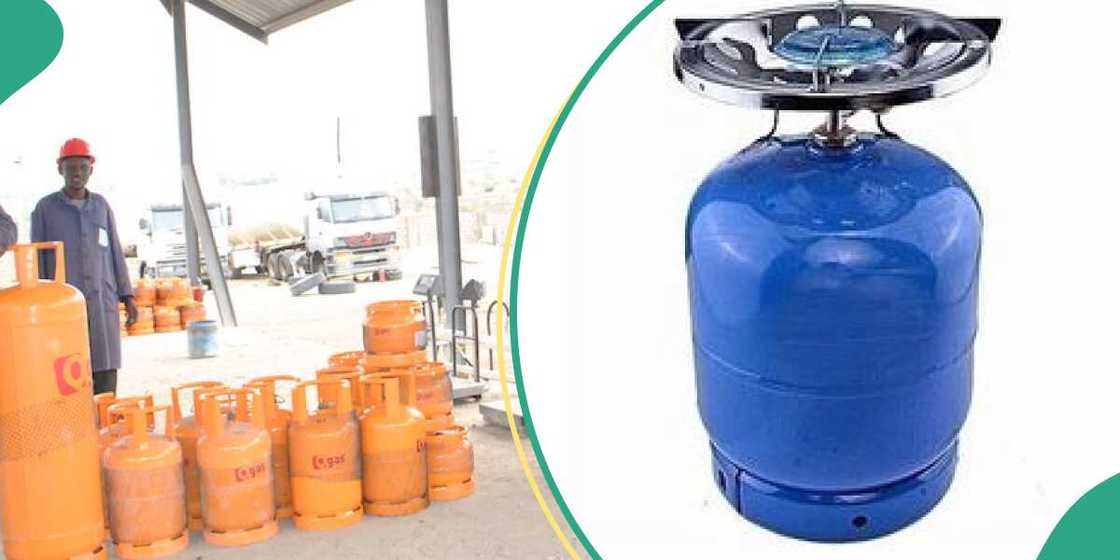
Gas marketers across Nigeria have raised concerns over the rising scarcity and soaring prices of Liquefied Petroleum Gas, popularly known as cooking gas, warning that the situation could worsen if urgent intervention is not made.
The Nigerian Association of Liquefied Petroleum Gas Marketers said the retail price of cooking gas has risen to as high as ₦1,500 per kilogram in some parts of the country, up from about ₦1,300 per kilogram.
In a statement issued on Sunday, the association expressed concern over what it described as the “erratic supply and hike in price” of LPG nationwide.
According to the marketers, operators are now forced to pay between ₦25.2 million and ₦26.2 million for 20 metric tonnes of cooking gas, depending on the location.
The association described the development as “sad and pathetic,” warning that millions of Nigerians are facing hardship due to the rising cost of clean cooking energy.
NALPGAM stated that the high prices are putting pressure on households, food vendors, small businesses and low-income earners who depend on LPG for daily cooking and commercial activities.
The association also warned that the worsening situation could provoke public anger against operators of gas filling stations.
According to the marketers, the crisis is already reversing the gains made by the Federal Government in promoting clean energy adoption across the country.
They noted that many Nigerians who previously embraced cooking gas as a safer alternative to kerosene, charcoal and firewood are now struggling to refill their cylinders.
NALPGAM said some families have started returning to firewood and charcoal due to the increasing cost of LPG.
The association warned that the trend could have serious consequences for public health, environmental protection and deforestation efforts.
The marketers blamed the current crisis on persistent supply shortages, rising depot prices, logistics challenges and increasing operational costs.
They also noted that even where products are available, prices remain beyond the reach of average Nigerians.
According to the association, the situation threatens years of investments and awareness campaigns aimed at deepening LPG penetration and promoting clean cooking energy nationwide.
NALPGAM warned that failure to address the crisis immediately could trigger wider economic consequences, including increased food inflation, job losses, collapse of small LPG retail businesses and reduced investor confidence in the sector.
The association added that Nigeria’s clean energy and climate commitments could also suffer major setbacks if the situation continues.
To address the problem, the marketers called on the Federal Government, the Ministry of Petroleum Resources, the Nigerian Midstream and Downstream Petroleum Regulatory Authority and the Nigerian National Petroleum Company Limited to take urgent action.
They also urged domestic producers, terminal operators, international suppliers and other key stakeholders in the LPG value chain to work together to stabilise the market.
NALPGAM demanded increased domestic LPG supply allocation to the Nigerian market and called for transparent distribution of available products across the country.
The association further requested measures to reduce bottlenecks in product importation, storage and distribution.
It also urged the government to implement interventions aimed at stabilising retail prices and protecting consumers from excessive costs.
The marketers stressed the need for greater investment in storage and distribution infrastructure to improve supply nationwide.
NALPGAM reaffirmed its willingness to collaborate with government agencies, regulators and other industry stakeholders to find sustainable solutions that would guarantee affordable and stable LPG supply in Nigeria.
The association concluded that millions of Nigerians should not be left to suffer while access to clean cooking energy becomes increasingly difficult and unaffordable.