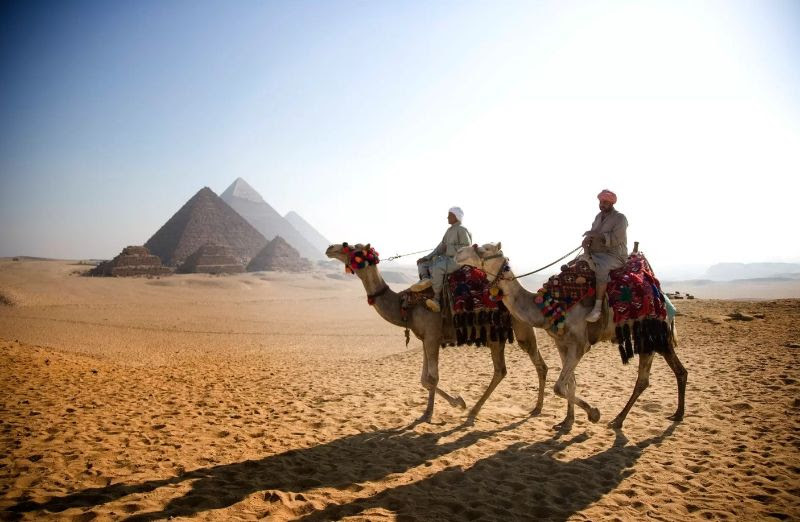
Egypt’s pyramids, ancient temples and Mediterranean and Red Sea attractions may give the impression that visiting one of the world’s most famous tourism destinations requires a substantial budget.
Yet careful planning, public transportation, local food and budget accommodation can make the country considerably more affordable.
According to the supplied travel estimates, a solo traveller could spend about $50 to $70 per day, while couples may budget roughly $60 to $120. A family of four could spend around $100 to $200 daily, depending on accommodation, activities and travel choices.
Those estimates make Egypt potentially accessible to travellers willing to prioritise value over luxury.
Accommodation Can Determine Overall Cost
Accommodation is typically one of the largest travel expenses, making the choice between luxury hotels, budget hotels and hostels particularly important.
Visitors seeking lower costs can consider hostels and less expensive hotels rather than premium properties.
Season also matters.
Summer can provide cheaper accommodation and flight options, although the savings come with an important trade-off: temperatures can rise above 104°F, or approximately 40°C.
Travellers considering summer therefore need to balance price against weather conditions and the amount of outdoor sightseeing they intend to undertake.
Local Food Can Cost as Little as $1
Food provides another opportunity to reduce expenditure.
The source material indicates that inexpensive local meals can be available for as little as $1.
Eating local food rather than relying exclusively on restaurants catering to international tourists can reduce costs while also providing a closer connection to everyday Egyptian life.
Street food and local restaurants therefore serve two purposes for budget travellers: affordability and cultural experience.
Metro, Trains and Buses Reduce Transport Costs
Transportation choices can significantly affect the final cost of an Egyptian holiday.
Metro journeys can begin at roughly 20 cents, making public transport an inexpensive way to move around where services are available.
For longer distances, trains and buses can provide cheaper alternatives to domestic flights.
That can be especially useful for travellers moving between major tourism centres.
Choosing ground transportation may take longer, but the savings can be significant for visitors travelling on tight budgets.
Attraction Passes Can Offer Savings
Egypt’s archaeological attractions are often the central reason visitors travel to the country.
Entrance fees can therefore accumulate quickly when an itinerary includes numerous monuments and museums.
The Cairo and Luxor passes are worth considering for travellers intending to visit multiple archaeological sites, according to the source material.
Standard admission and eligible student discounts can also reduce costs.
The best option will depend on how many attractions a traveller plans to visit rather than assuming a pass is automatically cheaper.
Egypt Offers More Than Paid Attractions
Budget travel also becomes easier when visitors look beyond headline archaeological sites.
Markets, historic neighbourhoods, beaches and street-food experiences can provide inexpensive or free ways of experiencing the country.
This can also produce a more varied itinerary.
A trip built entirely around major monuments may be culturally rewarding but expensive. Combining those attractions with public spaces, markets and local neighbourhoods can spread costs while exposing visitors to contemporary Egyptian life.
Planning Makes the Difference
The central lesson for travellers is that Egypt can accommodate very different budgets.
Luxury resorts, private guides and domestic flights remain available to those who want them, but they are not the only way to experience the country.
Accommodation choices, season, transportation and eating habits can dramatically alter daily expenditure.
For travellers prepared to use hostels or budget hotels, eat locally, take public transport and carefully select paid attractions, Egypt’s extraordinary archaeological and cultural heritage can be experienced without requiring a luxury-travel budget.