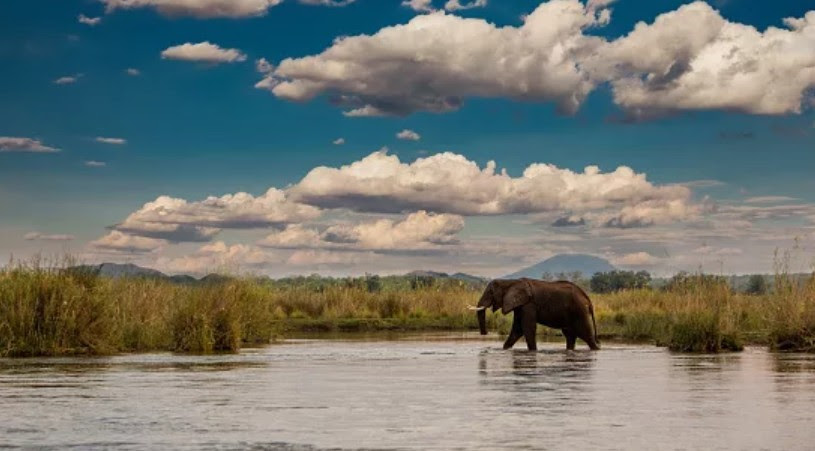
Africa’s safari image is often dominated by dusty roads, open savannahs and four-wheel-drive vehicles tracking wildlife across grasslands.
But some of the continent’s most distinctive protected areas offer a very different experience.
Across Tanzania, Zambia, Zimbabwe, Rwanda, Namibia and Uganda, rivers, lakes, floodplains and wetlands shape wildlife habitats and the way visitors experience them.
Eight destinations highlighted in the supplied material — Nyerere, Lake Manyara, Lower Zambezi, Mana Pools, Kafue’s Busanga Plains, Akagera, Bwabwata and Queen Elizabeth National Park — demonstrate the diversity of Africa’s water-centred wilderness.
Rufiji Shapes Tanzania’s Nyerere
In Tanzania’s Nyerere National Park, the Rufiji River creates floodplains and oxbow lakes that can be explored by boat.
The waterways provide opportunities to encounter hippos, crocodiles, elephants and numerous waterbirds, offering a different perspective from conventional vehicle-based game viewing.
Rather than simply crossing the landscape, water becomes the organising feature around which wildlife gathers.
Lake Manyara Combines Water and Wildlife
Also in Tanzania, Lake Manyara is characterised by its alkaline lake.
The destination is associated with flamingos as well as the area’s famous tree-climbing lions.
The combination demonstrates how water ecosystems and surrounding terrestrial habitats can produce very different wildlife experiences within one protected area.
Zambezi Creates Two Distinct Experiences
The Zambezi River shapes protected landscapes in both Zambia and Zimbabwe.
Zambia’s Lower Zambezi offers canoe experiences along the river, allowing visitors to observe the landscape from water level.
Across the border, Zimbabwe’s Mana Pools is defined by floodplains and pools created by the same major waterway.
The two destinations illustrate how one river system can support multiple protected landscapes and tourism experiences.
Busanga Plains Transform With Seasons
At Kafue’s Busanga Plains in Zambia, water changes the character of the landscape according to the season.
At certain times, the plains become flooded wetlands. At others, they transform into rich grasslands.
That seasonal transformation influences where animals move and how visitors experience the ecosystem.
It also demonstrates that wetlands are dynamic landscapes rather than permanent bodies of open water.
Rwanda’s Akagera Offers Lakes and Papyrus Wetlands
In Rwanda, Akagera provides another version of the water safari.
Its landscape includes lakes and papyrus wetlands, with the park also providing habitat for rare shoebills.
For visitors who associate Rwanda primarily with mountain gorillas and highland landscapes, Akagera presents a contrasting ecosystem.
Rivers Frame Namibia’s Bwabwata
Namibia is often associated with desert landscapes, but Bwabwata demonstrates another side of the country.
The protected area is framed by the Okavango and Kwando rivers, making water an important element of its ecosystem.
Its inclusion highlights the ecological diversity that can exist within countries commonly associated with much drier environments.
Uganda’s Kazinga Channel Links Two Lakes
Uganda’s Queen Elizabeth National Park provides another major water-centred wildlife experience.
The park links two lakes, while the Kazinga Channel provides opportunities for wildlife viewing along the waterway.
The channel brings animals and birdlife close to the water, allowing visitors to observe activity from a perspective different from a road safari.
Water Expands Meaning of African Safari
Together, these destinations challenge the idea that an African safari must revolve around driving across open plains.
Boats and canoes can become viewing platforms, while rivers and lakes determine where wildlife congregates.
Wetlands also support species that travellers may encounter less frequently in dry ecosystems, particularly aquatic animals and waterbirds.
For Africa’s tourism industry, that diversity creates opportunities to market experiences beyond the familiar savannah safari.
The continent’s wildlife story is also a story of its great rivers, lakes and seasonal wetlands — landscapes where water determines not only what visitors see, but how they see it.