Tax revenue generated by 23 Nigerian states increased by 27 per cent in the first half of 2026 compared with the corresponding period of 2025, according to the Joint Revenue Board (JRB).
The increase comes as the government begins implementing a new tax framework aimed at improving revenue administration, broadening the tax base and reducing the burden on low-income earners.
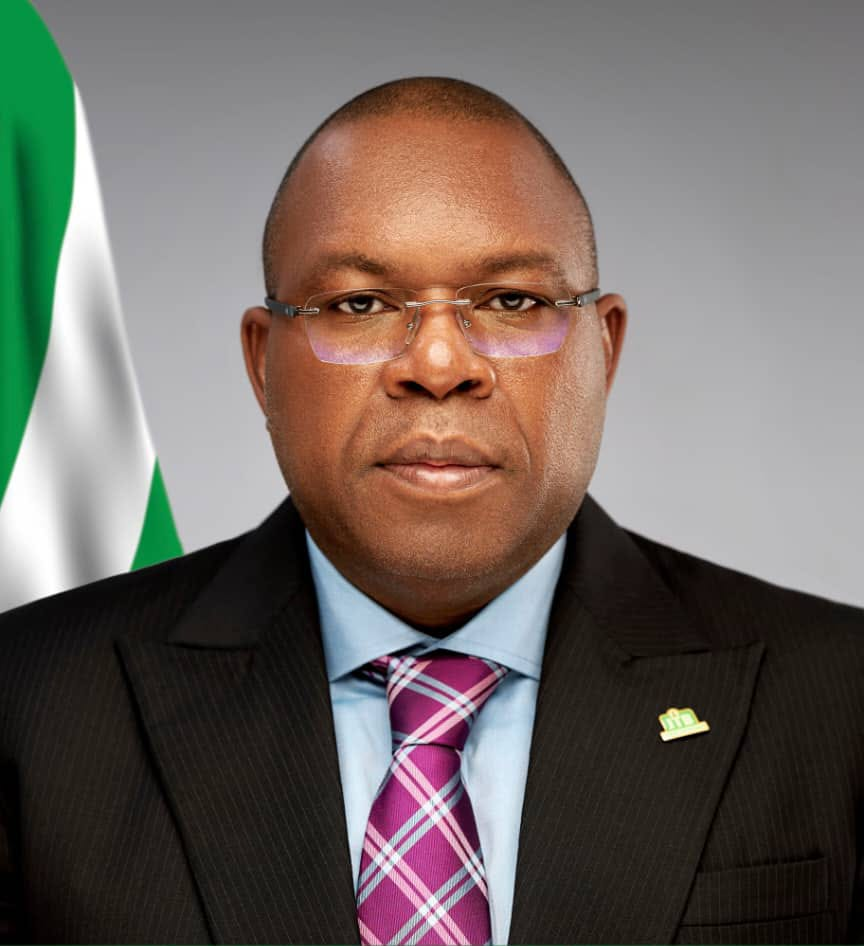
Executive Secretary of the JRB, Olusegun Adesokan, disclosed the figures while discussing the early impact of the new tax laws, which took effect on January 1, 2026.
Adesokan said the revenue performance reflected improvements in tax administration and efforts to ensure that individuals and businesses met their tax obligations.
He explained that the reforms were designed to improve compliance and ensure that high-income earners contributed their fair share without imposing excessive taxes on people with lower incomes.
According to him, data from the 23 states showed that approximately 92 per cent of income earners were paying lower personal income taxes or no personal income tax under the new regime.
21 states adopt harmonised tax framework
Adesokan also disclosed that 21 states had adopted the harmonised taxes and levies framework developed to address multiple taxation and improve consistency in revenue collection.
The framework was developed in collaboration with the Presidential Committee on Fiscal Policy and Tax Reforms.
It is intended to streamline the numerous taxes and levies imposed by state and local governments, reduce overlapping charges and make the tax system easier for individuals and businesses to navigate.
Multiple taxation has remained a major concern for businesses operating across different states, particularly small and medium-sized enterprises that often face several local charges and levies.
Harmonising the framework could reduce compliance costs, improve transparency and make it easier for businesses to understand their tax obligations.
The reported 27 per cent revenue increase also suggests that improved administration and compliance could support higher government revenue without necessarily increasing tax rates.
However, the figures cover only 23 states, meaning they do not provide a complete picture of tax revenue performance across the federation.
The sustainability of the increase will also depend on continued compliance, effective enforcement, transparency in revenue collection and the ability of state governments to implement the harmonised framework consistently.
The reforms form part of broader efforts to strengthen Nigeria’s fiscal position and reduce dependence on borrowing and volatile revenue sources.