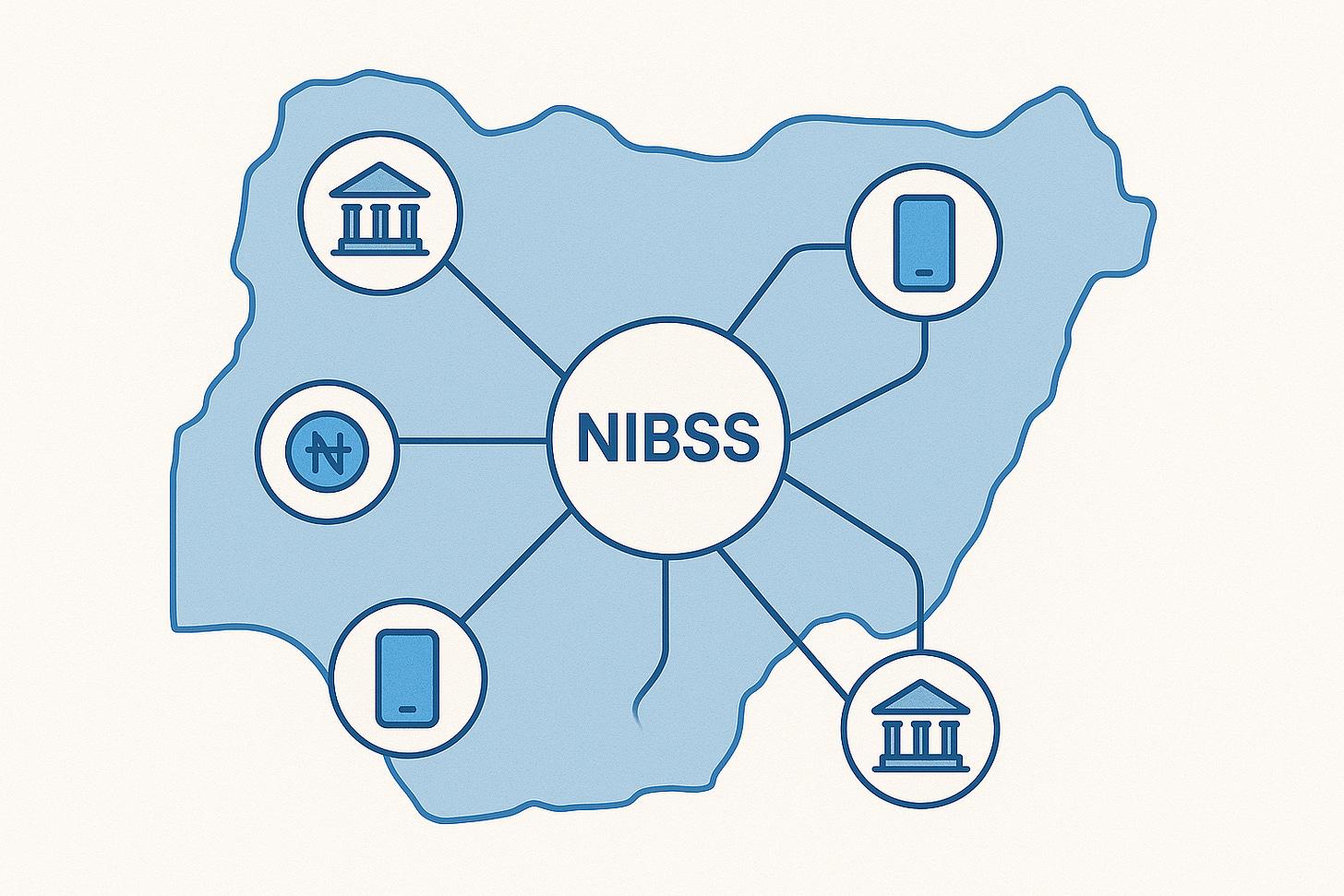
The number of Nigerians enrolled in the Bank Verification Number (BVN) system has risen to 70.58 million as the country’s financial services industry intensifies efforts to strengthen customer identification and protect digital transactions.
Data released by the Nigeria Inter-Bank Settlement System (NIBSS) showed that BVN enrolment reached 70,585,888 as of October 19, 2026.
The increase highlights the expanding role of biometric identification in Nigeria’s banking system, where electronic transfers, mobile banking and other digital financial services have become central to everyday transactions.
The BVN was introduced to provide a unique identity for bank customers across financial institutions, helping banks verify account holders and improve the detection and prevention of financial fraud.
Unlike conventional passwords and personal identification numbers, which can be stolen, guessed or exposed through phishing and social-engineering attacks, the BVN links an individual to biometric information.
NIBSS said the system uses characteristics such as fingerprints and facial images to support identity verification and authentication processes.
Digital banking increases demand for stronger identity checks
The growth in BVN enrolment comes as Nigeria’s financial system processes increasing volumes of electronic payments and digital banking transactions.
The expansion of fintech services and mobile payment platforms has created new opportunities for financial inclusion, but has also increased the importance of reliable customer verification and fraud prevention systems.
Biometric identification provides banks with an additional layer of security by helping them establish whether a person seeking to access an account or carry out a transaction is the legitimate account holder.
The BVN has also become an important part of efforts to address identity-related risks, including the use of multiple identities and fraudulent account activities.
However, the effectiveness of the system depends on the protection of the biometric information collected, the integrity of the verification infrastructure and the ability of financial institutions to respond to emerging cybersecurity threats.
As enrolment expands, financial institutions will also need to maintain strong safeguards around customers’ personal information and ensure that biometric data are handled in accordance with applicable data protection requirements.
The latest figures reinforce the growing importance of digital identity infrastructure to Nigeria’s financial system, particularly as the country seeks to expand electronic payments while improving trust and security.