
The Central Bank of Nigeria (CBN) has withdrawn more than ₦90tn from the financial system through its Open Market Operations (OMO) securities between January and November 2026, as the apex bank intensifies efforts to control inflation and prevent excessive liquidity from putting additional pressure on the economy.
The development represents a significant increase compared with the ₦40.9tn withdrawn through similar operations in 2025. It also highlights the monetary authority’s determination to maintain tighter financial conditions amid concerns about government spending and possible political activities ahead of Nigeria’s 2027 general elections.
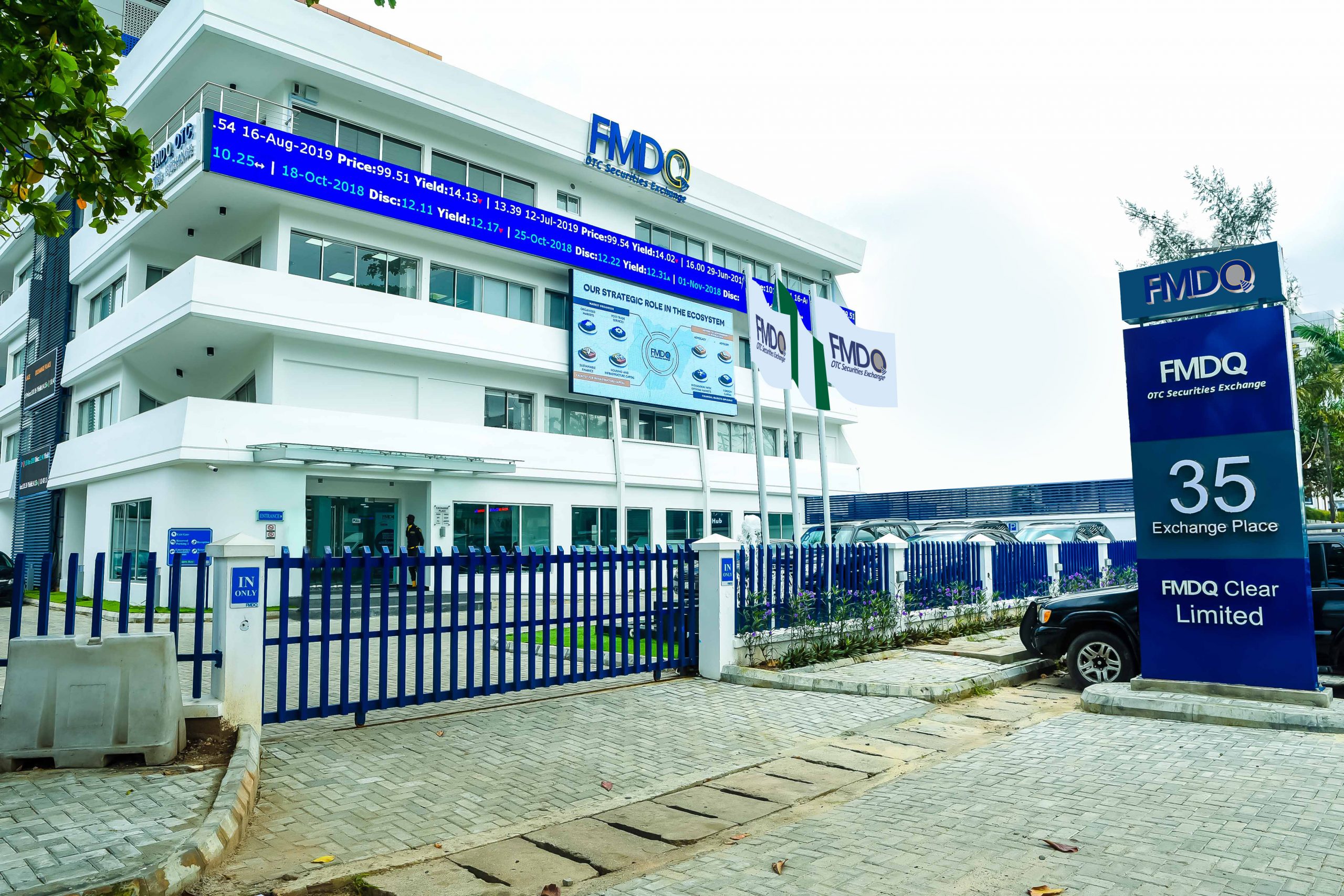
According to a report by The Punch published on Friday, November 20, the liquidity withdrawal figure was compiled from data obtained from CBN auctions, FMDQ and the Financial Markets Dealers Association.
The CBN uses Open Market Operations as one of its monetary policy instruments to influence the amount of money circulating within the banking system. Through the sale of securities, the apex bank attracts funds from banks and other financial market participants, temporarily reducing the amount of cash available for other financial activities.
The strategy is particularly important when policymakers are concerned that excess money in circulation could increase demand for goods and services without a corresponding increase in production. Such conditions can contribute to inflationary pressures.
The figures indicate that the CBN’s liquidity management activities have remained substantial throughout the year.
In January, the apex bank withdrew approximately ₦13.41tn, while February recorded ₦6.3tn. The amount subsequently declined to ₦2.36tn in March before rising to ₦4.48tn in April.
The bank continued its operations in May, absorbing ₦5.42tn through two OMO auctions conducted on May 21 and May 29.
June recorded another major increase, with liquidity withdrawal reaching approximately ₦13.96tn. The amount moderated to ₦7.18tn in July and ₦4.72tn in August.
September emerged as the month with the highest recorded OMO allotment during the period, as the CBN raised approximately ₦17.5tn through its securities operations.
In October, the apex bank allotted ₦6.182tn in new OMO bills. However, approximately ₦9.051tn worth of existing securities matured during the month, resulting in a net repayment of about ₦2.87tn before other adjustments.
The CBN subsequently withdrew another ₦7.53tn through OMO auctions conducted on November 3, 4 and 10.
Despite the large volume of securities issued, the reported gross withdrawal figure should not be confused with the net amount of liquidity removed from the banking system. Maturing securities return funds to investors, meaning the overall liquidity impact depends on both new issuances and repayments.
The development comes as members of the CBN’s Monetary Policy Committee express concerns about the potential impact of increased government spending ahead of the 2027 elections.
Higher government expenditure could introduce additional funds into the economy and make it more difficult for monetary authorities to maintain price stability.
Nigeria’s broad money supply increased to ₦146.60tn in September 2026, representing an increase of ₦28.82tn compared with the corresponding period of the previous year. Credit to government also rose by 63.09 per cent to ₦39.40tn.
These developments have strengthened concerns about the relationship between government borrowing, banking-system liquidity and inflation.
For businesses, the CBN’s continued liquidity management could influence borrowing costs, investment decisions and the availability of credit. Banks may also adjust their lending strategies depending on prevailing interest rates and the amount of funds available within the financial system.
Investors in fixed-income securities will equally monitor the apex bank’s operations because OMO issuances provide opportunities to invest in short-term government-backed instruments.
However, maintaining monetary stability without excessively restricting productive economic activities remains a major challenge.
The CBN must therefore balance its efforts to control inflation with the need to support businesses, employment and economic growth.
The coming months will be important in determining whether the bank can sustain its tightening strategy while preventing renewed inflationary pressures associated with increased government spending.