The Federal Government has set a target of growing Nigeria’s livestock industry from its current estimated value of $32bn to $74bn by 2035, as it moves to unlock investment opportunities across the sector.
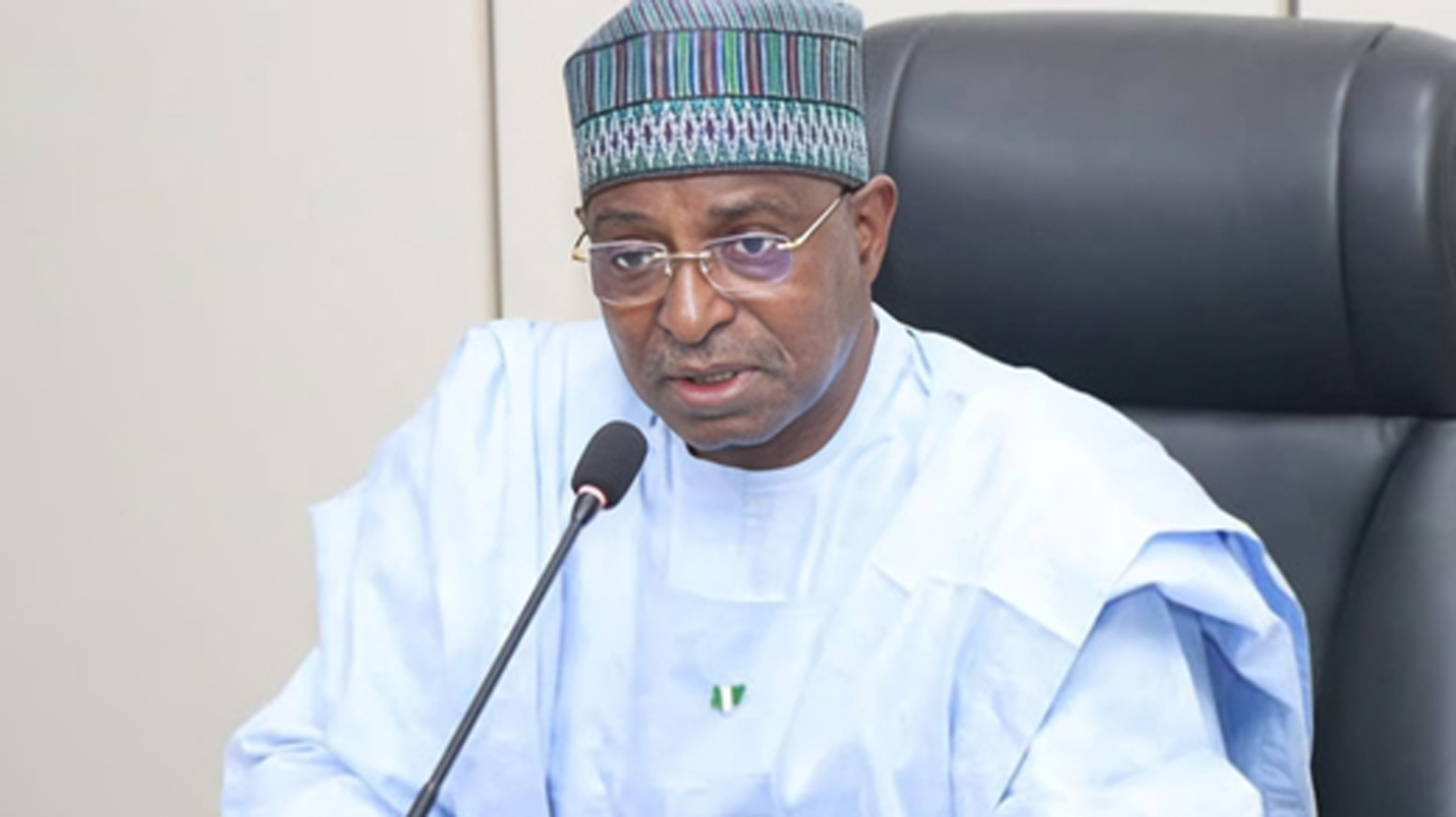
Minister of Livestock Development, Idi Mukhtar Maiha, announced the ambition on Wednesday while declaring open the 62nd Annual Congress of the Nigerian Veterinary Medical Association in Uyo, Akwa Ibom State.
Maiha said the government was developing measures to strengthen the livestock value chain, improve animal health services and attract private-sector investment into an industry with significant economic potential.
He expressed confidence that Nigeria could achieve the $74bn target, but acknowledged that doing so would require coordinated investment and improvements across livestock production, processing, veterinary services and distribution.
The livestock industry is an important component of Nigeria’s agricultural economy, supporting millions of livelihoods through cattle rearing, poultry production, sheep and goat farming, dairy activities and related businesses.
However, the sector continues to face challenges associated with animal diseases, inadequate veterinary infrastructure, low productivity, limited access to finance and weaknesses in processing and market systems.
Government plans veterinary hospitals in all states
As part of the proposed reforms, Maiha announced plans to establish a modern veterinary hospital in every state and the Federal Capital Territory.
The facilities are expected to strengthen animal healthcare, improve disease surveillance and provide better veterinary support to livestock farmers.
The minister also disclosed plans to introduce a yellow vaccination certificate for animals crossing Nigeria’s borders, as part of efforts to improve disease control and protect public health.
He said the government intended to enforce measures that would help prevent the movement of animals carrying diseases capable of threatening livestock populations and human health.
Stronger veterinary services are particularly important for reducing the spread of zoonotic diseases, which can be transmitted between animals and humans.
Earlier, President of the Nigerian Veterinary Medical Association, Moses Arokoyo, called for urgent investment in veterinary services, warning that Nigeria could not fully realise the economic potential of its livestock industry without stronger animal health systems.
The government’s $74bn ambition will depend on more than expanding animal production. It will require modern infrastructure, improved breeding systems, reliable feed supplies, disease prevention, investment in processing and stronger market access.
The proposed veterinary hospitals and border vaccination measures could contribute to these objectives, but their impact will depend on funding, implementation and the availability of trained veterinary professionals.