

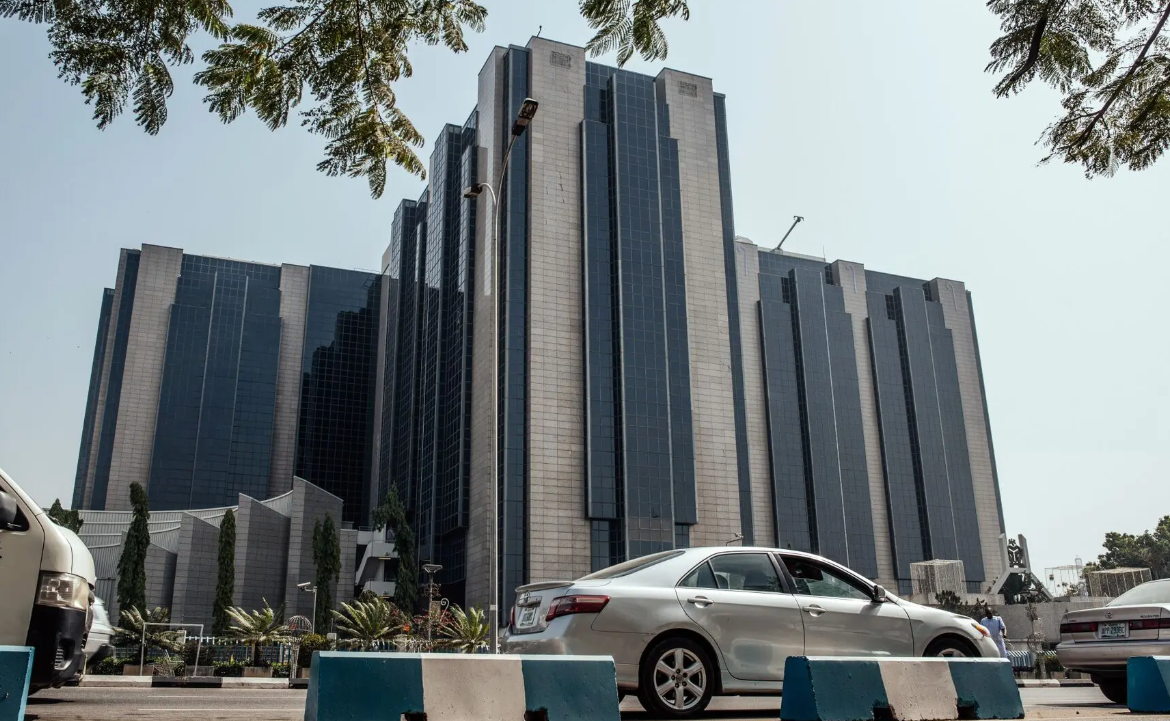
The Central Bank of Nigeria has increased its Treasury bills issuance target for the fourth quarter of 2026 by ₦600bn, bringing the total planned offer to ₦6tn as the government continues to rely on the domestic financial market to raise funds.
The adjustment represents an increase in the amount of short-term government securities planned for issuance during the final quarter of the year.
According to a report published by The Punch on Friday, November 20, the revised target reflects an increase from the previous fourth-quarter issuance plan.
Treasury bills are short-term debt instruments issued by the government to borrow money from investors. They are generally used to meet short-term financing requirements and manage government cash-flow needs.
In Nigeria, Treasury bills are issued through the Debt Management Office on behalf of the Federal Government, while the Central Bank of Nigeria conducts auctions and manages the relevant monetary operations.
Investors who purchase Treasury bills effectively lend money to the government for an agreed period. In return, they receive a return based on the difference between the purchase price and the amount paid at maturity.
The securities are commonly issued in three tenors: 91 days, 182 days and 364 days.
The 91-day instrument has the shortest maturity period, while the 364-day bill runs for approximately one year.
Treasury bills are popular among banks, pension-related investment portfolios, asset managers, businesses and individual investors because they provide an avenue for investing in government securities.
The increase in the fourth-quarter issuance target comes at a time when Nigeria is managing significant public financing requirements.
Government borrowing has remained an important part of the country’s fiscal strategy as authorities seek to finance budgetary commitments, infrastructure development and other public expenditure.
The domestic debt market provides an avenue for the government to raise funds without relying exclusively on foreign borrowing.
However, increased government borrowing can also create competition for funds within the financial system.
When the government offers more securities, investors may redirect funds towards Treasury bills instead of lending to private businesses or investing in other financial instruments.
This situation can influence the cost and availability of credit, particularly when banks and other financial institutions prefer government-backed securities because of their investment characteristics.
For businesses, the availability of affordable financing remains important for expansion, production, employment and operational activities.
Higher yields on government securities may also influence the investment decisions of institutional and individual investors.
The CBN’s role in the Treasury bills market is particularly important because the bank also manages monetary conditions through other instruments, including Open Market Operations.
Although Treasury bills and OMO securities are both financial instruments used in the management of liquidity, they serve different purposes and should not be treated as identical.
Treasury bills are issued to meet government financing needs, while OMO securities are used by the CBN as part of its monetary policy operations.
The increase to ₦6tn therefore comes against the background of broader efforts to manage government borrowing and financial-system liquidity.
Investors will be watching upcoming auctions to assess subscription levels, accepted amounts and stop rates.
Strong demand could indicate that financial institutions and other market participants remain interested in government securities. However, the cost of borrowing will also depend on prevailing interest rates and investor expectations.
The government must balance its need to raise domestic funds with the potential effect of borrowing on private-sector investment.
If borrowing costs remain high, businesses may face additional challenges when seeking loans for expansion and other productive activities.
The revised issuance target is therefore an important development for Nigeria’s financial market, particularly as the country approaches the end of 2026.
The outcome of subsequent auctions will provide further indications of investor appetite and the government’s borrowing conditions.