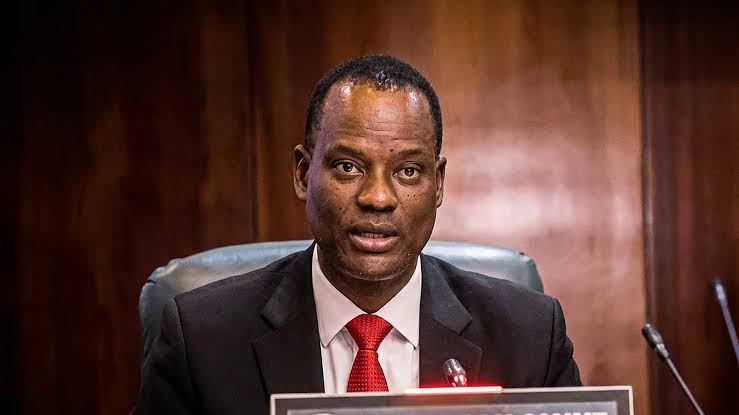
The Federal Government has defended its proposed $21.7bn external borrowing plan, arguing that the financing is intended to support productive investments, infrastructure development and economic expansion rather than simply increase the country’s debt burden.
Minister of Finance and Coordinating Minister of the Economy, Taiwo Oyedele, gave the explanation on Wednesday after the Federal Executive Council meeting presided over by President Bola Tinubu at the State House, Abuja.
Oyedele said the proposed borrowing should be assessed based on the economic assets it is expected to create and the returns those investments could generate for the country.
He explained that the financing proposal was designed to support projects in critical sectors that could improve productivity, stimulate economic activity and raise living standards.
The minister also clarified that the $21.7bn figure represented a proposed financing plan and did not mean the Federal Government had already borrowed the money or would necessarily draw down the entire amount.
According to him, the total value was arrived at by converting the proposed euro-denominated financing into dollars and adding it to the dollar component.
The clarification comes amid criticism of the borrowing proposal by former Vice President Atiku Abubakar and former presidential candidate Peter Obi, who have raised concerns about Nigeria’s debt position and the implications of additional external borrowing.
Government says borrowing must deliver economic value
Oyedele maintained that the key consideration should be whether the proposed financing would generate sufficient economic benefits to justify the cost of borrowing.
Nigeria has continued to face significant infrastructure deficits in areas such as transportation, electricity, healthcare and other public services.
The government argues that financing carefully selected projects could address some of these constraints, improve the business environment and support long-term economic growth.
However, external borrowing also exposes the country to repayment obligations, foreign exchange risks and changes in international interest rates.
The cost of servicing dollar- and euro-denominated loans can increase when the naira weakens, placing additional pressure on public finances.
The proposed financing plan therefore raises important questions about project selection, loan terms, repayment capacity and the transparency of implementation.
For the borrowing to deliver the benefits outlined by the government, the funds would need to be directed towards projects with clear economic value, measurable outcomes and effective monitoring arrangements.
The distinction between a proposed borrowing plan and funds already disbursed is also important, as the proposal must pass through the relevant approval and financing processes before any drawdown.