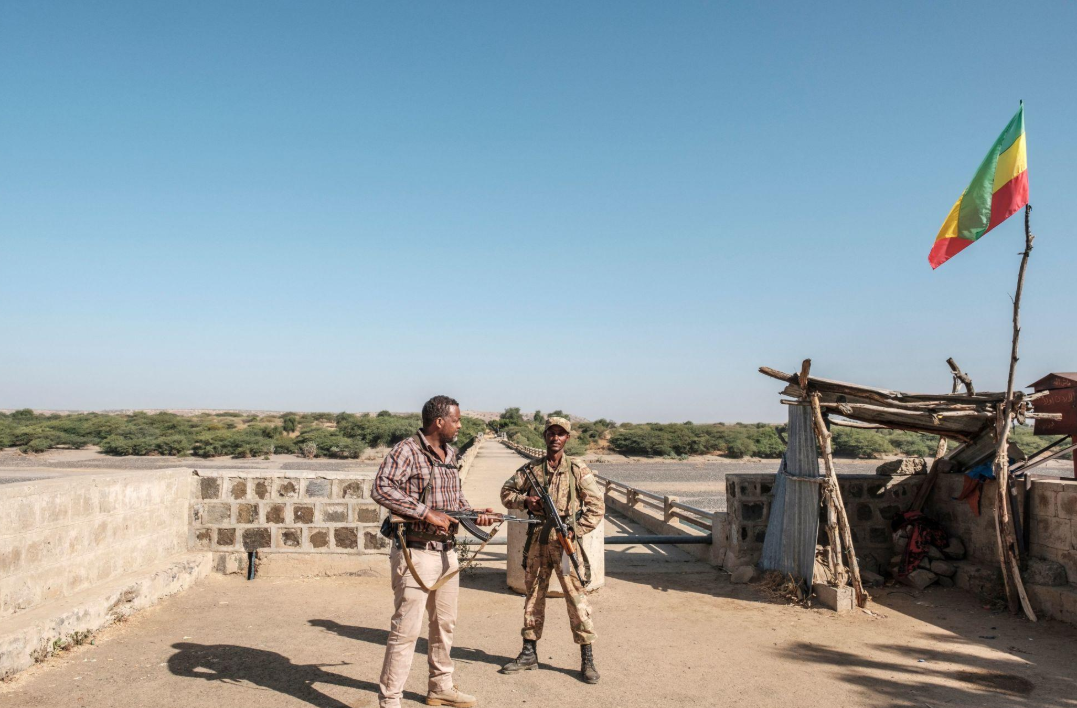
Tensions between Ethiopia and Eritrea have intensified following reports that both countries have concentrated military forces along their shared border, raising fears of a possible return to armed conflict in the Horn of Africa.
The latest developments have attracted international attention because of the history of hostilities between the two countries and the potential consequences of another confrontation for regional security.
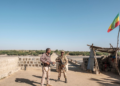
According to a Reuters report published on November 18, conflict monitors have reported artillery exchanges, drone strikes near Badme and clashes involving military forces on November 12 and 13.
However, the reports have not been independently verified by Reuters, and accounts from sources connected to opposing Tigrayan factions differ over whether Ethiopian and Eritrean troops directly engaged one another.
Eritrea has denied invading Ethiopia’s Tigray region and dismissed accusations of aggression as propaganda. Ethiopia’s government had not responded to requests for comment at the time of the report.
The situation is particularly sensitive because Ethiopia and Eritrea share a long history of military confrontation.
The two countries fought a devastating border war between 1998 and 2000, resulting in significant casualties and displacement. Although a peace agreement was eventually signed in 2018, relations between the neighbours have deteriorated again in recent years.
Ethiopian Prime Minister Abiy Ahmed and Eritrean President Isaias Afwerki previously cooperated during the conflict in Ethiopia’s Tigray region. However, their relationship has since become increasingly strained.
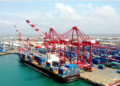
One major source of disagreement involves Ethiopia’s ambition to secure reliable access to the sea.
Ethiopia lost direct access to the Red Sea following Eritrea’s independence in 1993. Since then, the country has depended heavily on neighbouring states, particularly Djibouti, for international maritime trade.
The Ethiopian government has repeatedly argued that access to the sea is important for its economic development and national security.
Eritrea, however, has expressed concerns about Ethiopia’s position and the possible implications for its territorial sovereignty.
The latest tensions are also connected to the wider political and military situation in Tigray.
The conflict in the region has created divisions among different political and military groups, making the security environment increasingly complicated.
Reuters reported that Ethiopia and Eritrea have accused each other of supporting hostile forces. Ethiopia has also alleged that Sudan and Egypt support the rebels, although all three countries have denied the accusations.
Analysts warn that direct Eritrean involvement in the conflict could transform a local confrontation into a wider regional crisis.
Such a development would have serious implications for countries across the Horn of Africa, including Sudan, Somalia and Djibouti.
The region is strategically important because it contains major international shipping routes connecting the Red Sea with the Gulf of Aden and the Indian Ocean.
Any serious military escalation could therefore create additional security concerns for international shipping, trade and humanitarian operations.
The United Nations and other international organisations have repeatedly stressed the importance of peaceful dialogue in resolving regional disputes.
For Ethiopia and Eritrea, avoiding another war will require diplomatic engagement, restraint and a willingness to address disagreements through established channels.
Although reports of military deployments have increased concerns, a full-scale war has not been confirmed.
The international community will continue monitoring the situation as both countries face pressure to prevent further deterioration in their relationship.