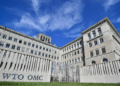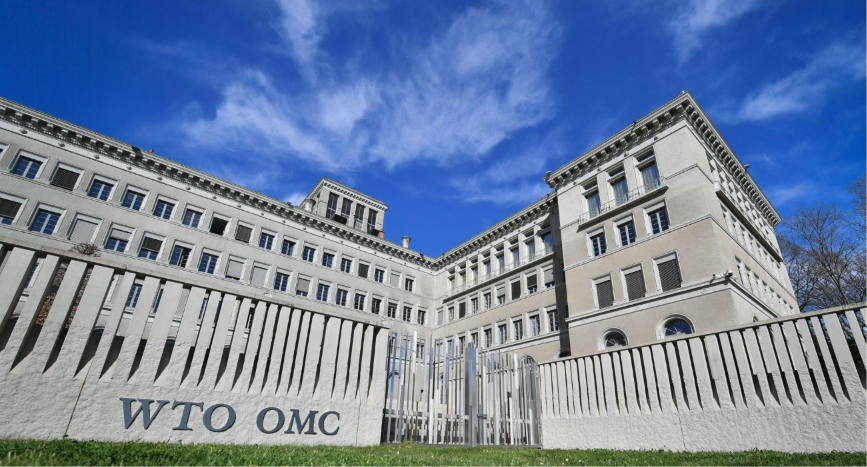
The World Trade Organization has reported a significant increase in trade-restrictive measures across the global economy, raising concerns about the growing challenges facing international businesses.
In its latest overview of developments in the international trading environment, released on November 17, 2026, the WTO disclosed that import-related restrictive measures introduced since 2009 and still in force covered approximately $5.4 trillion in global trade as of June 30, 2026.
The amount represents 21.3 per cent of world imports and marks the highest level recorded since the organisation began monitoring trade developments in 2009.
The report highlights the growing use of tariffs and other trade-related measures by governments as countries seek to protect domestic industries, strengthen economic security and respond to international competition.
According to the WTO, 1,229 new trade and trade-related measures were introduced by its members and observers in 2025.
During the first six months of 2026 alone, an additional 1,048 measures were recorded, indicating an increase in the pace of trade policy activity.
The organisation also reported that 333 new restrictive and other non-facilitating trade measures were introduced during the first half of 2026.
These measures covered approximately $2 trillion in imports, representing eight per cent of world imports during the period.
Export-related restrictive measures covered another $794 billion in global exports.
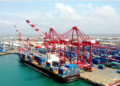
The growing number of trade restrictions could create difficulties for businesses that depend on international markets to purchase raw materials, manufacture products and distribute finished goods.
For example, companies that rely on imported machinery, industrial components and agricultural inputs may face higher costs when tariffs or other restrictions are introduced.
Such developments could also affect the prices consumers pay for imported products.
However, the WTO report also identified an increase in measures designed to facilitate international trade.
During the first half of 2026, members introduced 466 trade-facilitating measures, exceeding the 391 recorded throughout the whole of 2025.
These measures covered approximately $1.3 trillion in imports and $570 billion in exports.
The organisation noted that many of the trade-facilitating actions were introduced in response to disruptions associated with the situation around the Strait of Hormuz.
The developments show that governments are pursuing different approaches to international commerce.
While some countries are increasing restrictions to protect domestic industries, others are introducing measures intended to maintain the movement of goods and strengthen supply chains.
WTO Director-General Ngozi Okonjo-Iweala said the growing stockpile of restrictive measures affects a significant share of international trade.
She also welcomed the increase in trade-facilitating measures and encouraged WTO members to build on the positive developments.
The organisation stressed the importance of maintaining open, predictable and transparent trade policies to support economic growth and protect the benefits of the multilateral trading system.
For African economies, the development carries important implications.
Many African countries depend on international markets for machinery, manufactured goods, petroleum products, technology and other essential imports.
They also rely on exports of commodities such as crude oil, agricultural products, minerals and manufactured goods to generate foreign exchange.
An increase in global trade barriers could therefore affect export opportunities and raise the cost of imported production materials.
Nigeria, for instance, could face challenges if restrictions affect the international markets for its petroleum products, agricultural commodities and manufactured exports.
Businesses involved in international trade may also need to review their supply chains and identify alternative markets to reduce exposure to changing trade policies.
The African Continental Free Trade Area provides an opportunity for African countries to strengthen trade among themselves and reduce excessive dependence on external markets.
However, regional trade expansion will require investment in infrastructure, customs modernisation, efficient transportation and consistent trade regulations.
The WTO’s latest report demonstrates that international trade remains resilient but faces growing policy uncertainty.
For businesses, the ability to adapt to changing trade conditions, manage costs and identify new markets will remain essential.