The proposed public offering of shares in Dangote Petroleum Refinery has attracted significant interest from investors, with applications reportedly reaching approximately ₦5.85tn, prompting discussions involving billionaire industrialist Aliko Dangote and Nigeria’s Securities and Exchange Commission.
The level of investor interest represents a major development for Nigeria’s capital market, particularly as the refinery’s proposed listing is expected to provide investors with an opportunity to participate in one of the country’s largest industrial businesses.
According to reports published by The Punch, the refinery’s public offering attracted applications valued at approximately ₦5.85tn, equivalent to about $4.3bn.
The strong demand has reportedly led to discussions about the possibility of selling additional shares and adjusting the allocation available to investors.
Reuters reported on November 17 that Dangote Petroleum Refinery and Petrochemicals planned to expand its Nigerian initial public offering by as much as 30 per cent, potentially increasing the offer to approximately $2.1bn.
The proposed expansion followed applications approaching ₦6tn, which were substantially higher than the value of shares initially made available.
The company had initially planned to offer approximately 4.1 billion shares but could increase the allocation to about 5.33 billion shares, including an overallotment option, subject to regulatory approval.
The Securities and Exchange Commission plays an important role in supervising Nigeria’s capital market and ensuring that public offers comply with relevant securities regulations.
Any adjustment to the refinery’s proposed share allocation must therefore follow the applicable regulatory process.
The strong demand also reflects the importance of the refinery to Nigeria’s energy industry.
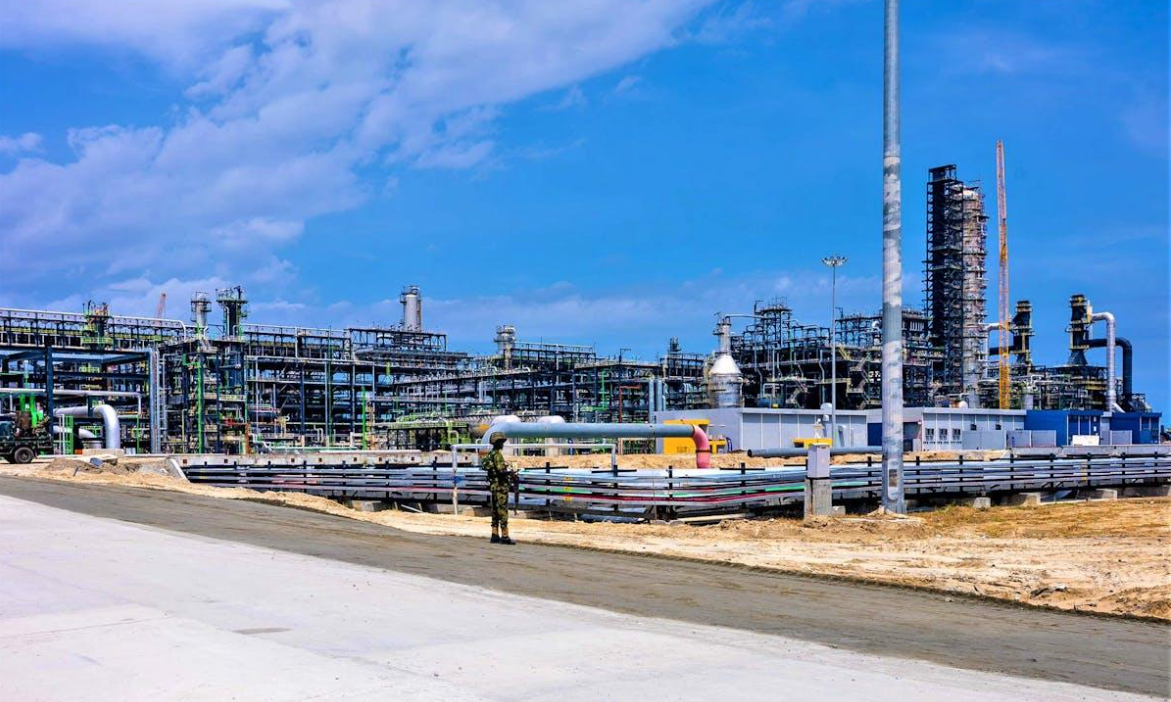
Located in the Lekki Free Zone in Lagos State, the Dangote refinery was established to strengthen domestic petroleum refining capacity and reduce the country’s dependence on imported refined petroleum products.
Nigeria has historically relied heavily on imported petrol, diesel and other petroleum products despite being one of Africa’s major crude oil producers.
The refinery’s operations have therefore attracted considerable attention from government officials, businesses, investors and consumers.
Beyond petroleum production, the project has implications for foreign exchange demand, domestic manufacturing, employment and industrial development.
For investors, the proposed public offering provides an opportunity to gain exposure to a large industrial project. However, investment decisions will depend on factors such as the company’s financial performance, production capacity, revenue, operating expenses, debt obligations and future growth prospects.
The refinery’s expected listing is also significant for the Nigerian Exchange because a major industrial company entering the equity market could increase the range of investment opportunities available to local and international investors.
The company’s ownership structure is another important consideration.
Reuters reported that Aliko Dangote was expected to retain a substantial majority ownership following the proposed offering, while the Nigerian National Petroleum Company Limited’s stake was projected to reduce.
The actual ownership structure will depend on the final share allocation and regulatory approvals.
The strong demand for the offering also raises questions about how shares will be distributed among different categories of investors.
Retail investors, pension funds and institutional investors may receive different allocations depending on the final terms of the offer.
A successful listing could strengthen confidence in Nigeria’s capital market by demonstrating that large domestic businesses can attract substantial investment through public share offerings.
However, investors should distinguish between strong subscription demand and the long-term financial performance of the company.
High demand for shares does not automatically guarantee future profits or rising share prices.
The refinery’s ability to maintain production, manage operating costs, compete in international petroleum markets and deliver sustainable earnings will remain important factors in determining its investment prospects.
The development could nevertheless represent a significant moment for Nigeria’s capital market and industrial sector as the country seeks to deepen local investment and strengthen private-sector participation in economic development.Punch Newspapers+2