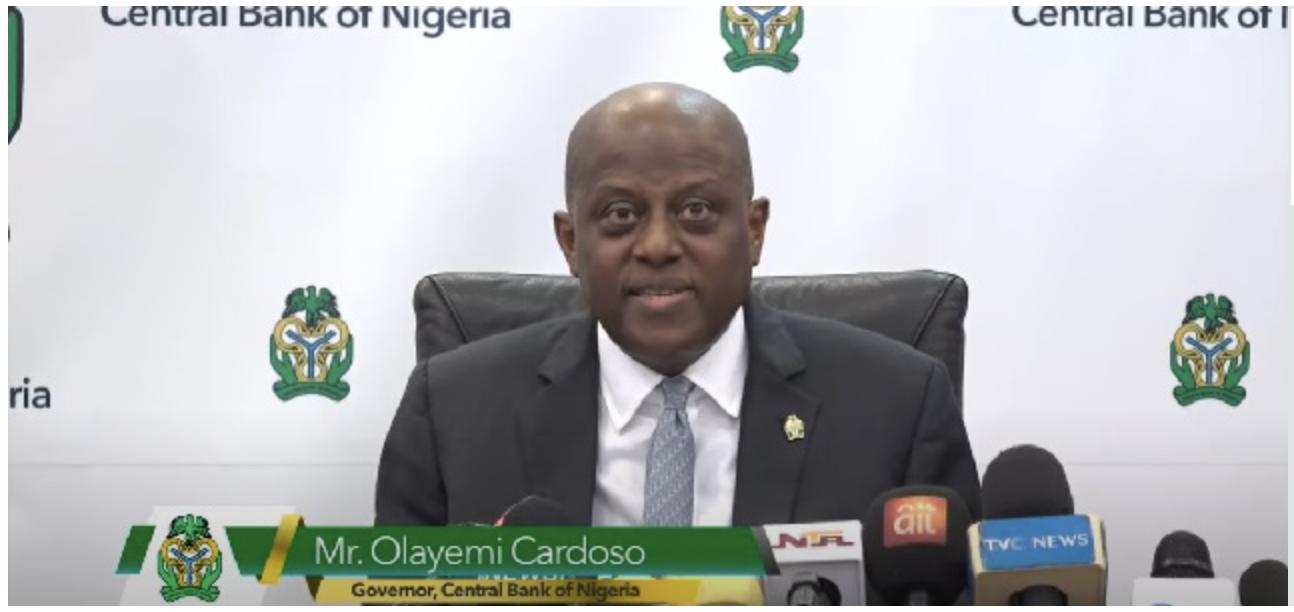
The Governor of the Central Bank of Nigeria (CBN), Olayemi Cardoso, has called for equity and proportional representation in the governance structure of the proposed Economic Community of West African States (ECOWAS) Monetary Union, stressing that countries with greater financial commitments should have an appropriate voice in the institutions they help sustain.
Cardoso made the call in Abidjan, Côte d’Ivoire, during the ministerial session of the sixth Presidential Task Force Meeting on the ECOWAS Single Currency Programme, where finance ministers and central bank governors from member states considered outstanding issues surrounding the proposed regional monetary arrangement.
He said discussions on the institutional architecture of the Monetary Union, including the location of its institutions, leadership appointments and the allocation of authority and responsibilities, would have long-term implications for the credibility and sustainability of the project.
According to the CBN governor, the governance framework must balance regional solidarity with fairness, ensuring that member countries’ financial obligations, responsibilities and exposure to risks are adequately recognised.
He argued that countries making substantial financial contributions to the proposed union should be given meaningful representation in its decision-making structures.
Cardoso maintained that Nigeria’s position was not driven by a desire for dominance but by its economic standing and significant contributions to regional integration initiatives.
He noted that where financial obligations are shared but influence in governance is not proportionately distributed, the arrangement could face difficulties in securing long-term political and economic support.
The governor reaffirmed Nigeria’s commitment to the ECOWAS Monetary Cooperation Programme and the establishment of the proposed ECO single currency, describing the country’s support for regional monetary integration as longstanding.
He also emphasised that the process must respect the sovereignty of all member states and produce a credible, sustainable monetary union that benefits the entire sub-region.
The proposed ECO currency is intended to facilitate regional trade, strengthen monetary cooperation and reduce some of the barriers associated with multiple national currencies.
However, the success of the initiative will depend on agreement among member states on convergence requirements, institutional governance, monetary policy coordination and the distribution of responsibilities.
Cardoso said decisions being taken during the current phase would shape investor confidence, public trust and the willingness of member states to sustain their commitments to the proposed union.