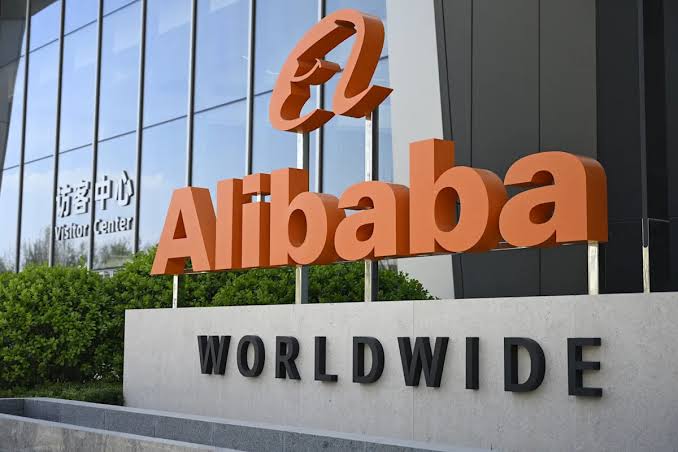
The United States government has added a Singapore-based subsidiary of Chinese technology giant Alibaba Group to its export-control blacklist, tightening restrictions on the company’s access to advanced artificial intelligence chips and other American technology.
The US Department of Commerce placed Apex Enterprise Solutions (Singapore) Private Limited on its Entity List alongside six other companies operating in Singapore, Malaysia and Thailand.
The designation requires companies seeking to export, re-export or transfer goods, software and technology covered by US export regulations to the listed entities to obtain government licences. Applications will be reviewed under a presumption of denial, making access to restricted American technology significantly more difficult.
The move forms part of Washington’s efforts to prevent advanced computing chips from being diverted to unauthorised users or destinations, particularly amid growing concerns about the movement of high-performance processors used in artificial intelligence development.
The other companies named in the designation include Singapore-based Megaspeed International and Swiftdata, as well as affiliated businesses in Malaysia and Thailand.
Megaspeed has attracted scrutiny over allegations that advanced Nvidia chips were diverted to China through cloud-computing arrangements. The company and its business relationships have become central to a wider investigation into possible circumvention of US export controls.
Apex’s inclusion is particularly significant because of its ownership connection to Alibaba, which has been expanding its artificial intelligence and cloud-computing operations while developing its own semiconductor capabilities.
Alibaba, however, has strongly disputed the US government’s decision, insisting that its Singapore subsidiary has not diverted advanced computing chips covered by American export restrictions.
In a statement, an Alibaba spokesperson described the designation as erroneous and said the company would pursue all available legal avenues to protect its rights and reputation.
The company has not accepted the allegations underpinning the restriction, and the US listing should not be interpreted as a final judicial determination that Apex committed an offence.
The development also places additional attention on the relationship between global cloud-computing infrastructure, semiconductor supply chains and US restrictions on China’s access to advanced artificial intelligence technology.
As companies increasingly rely on data centres and cross-border computing arrangements to access high-performance chips, Washington has intensified scrutiny of transactions that could allow restricted processors to reach unauthorised users through third-party operators.
For Alibaba, the designation could complicate some of its international technology procurement and computing arrangements at a time when artificial intelligence has become a central pillar of its growth strategy.