The African Export-Import Bank (Afreximbank) has increased its financing commitment to Africa’s creative and cultural industries to $2 billion, marking a significant expansion of its efforts to support businesses operating in the continent’s entertainment, fashion, film, music, publishing and other creative sectors.
The increased commitment represents a fourfold rise from the bank’s initial $500 million pledge and reflects growing recognition of the creative economy as an important source of employment, investment and international trade for African countries.
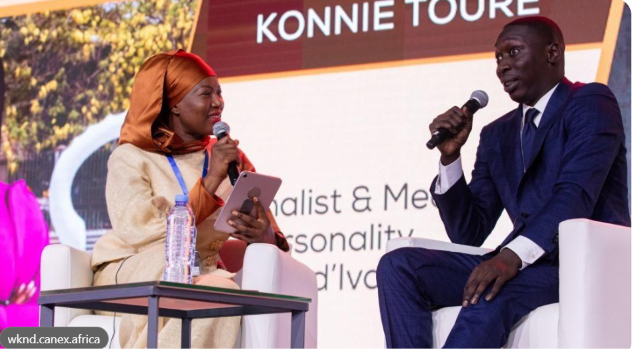
The announcement was made in connection with the Creative Africa Nexus Weekend (CANEX WKND) 2026, which took place in Lagos from November 5 to 8.
The event brought together creative entrepreneurs, investors, policymakers, financial institutions and cultural industry stakeholders from Africa and the diaspora to discuss opportunities for developing the continent’s creative industries.
Organised by Afreximbank through its Creative Africa Nexus programme and hosted by the Nigerian Government, the gathering focused on strengthening investment, improving access to financing and expanding opportunities for African creative businesses.
The increased funding commitment is expected to support entrepreneurs seeking capital to develop commercially viable creative projects and expand their operations.
Africa’s creative industries cover several areas, including film production, music, fashion, literature, publishing, visual arts, gastronomy and sports.
Despite the growing international popularity of African entertainment and cultural products, many businesses operating within these industries continue to face financial and structural challenges.
Limited access to affordable financing remains one of the major obstacles preventing creative entrepreneurs from expanding their operations.
Many independent filmmakers, musicians, fashion designers and production companies struggle to obtain funding because their businesses often rely on intellectual property, future earnings and intangible assets rather than conventional physical collateral.
This makes it difficult for some creative businesses to satisfy traditional lending requirements.
Afreximbank’s expanded financing commitment is intended to help address these challenges by supporting investment across the creative value chain.
The bank is also seeking to improve the commercialisation of African intellectual property so that creators and businesses can retain more of the economic value generated by their work.
Intellectual property protection is particularly important in industries such as music, film and publishing, where unauthorised reproduction and distribution can reduce the earnings of original creators.
The 2026 CANEX programme therefore placed significant attention on financing, intellectual property protection, technology and international market access.
One of the major activities was the Creative Economy Finance Summit, organised by Afreximbank in partnership with the Creative Economy Practice at Co-Creation Hub.
The summit brought together financial institutions and investors to examine how creative industry transactions could be structured, financed and made less risky for lenders and investors.
The CANEX Deal Room and Creative Pitch Sessions also provided opportunities for creative entrepreneurs to present their projects to potential financiers and business partners.
These activities were designed to improve connections between businesses seeking investment and institutions capable of providing the necessary funding.
Another important area of discussion was the international distribution of African creative products.
Although African music, films and fashion have attracted growing international attention, businesses within the continent still face challenges accessing global distribution networks and commercial partnerships.
Improved distribution arrangements could help African entrepreneurs reach more customers, generate export earnings and strengthen the international competitiveness of their products.
Technology also featured prominently during the gathering, particularly discussions about artificial intelligence, digital innovation and the future of creative production.
The event included the CANEX CreaThon, organised in partnership with technology company Gebeya, which brought creators and developers together to develop projects across music, video and gaming.
The programme also included mentorship opportunities and a $50,000 prize pool.
The African Union has identified creative and cultural industries as important contributors to economic growth, job creation and continental integration.
However, converting the sector’s potential into sustainable business growth will require more than funding commitments.
Industry stakeholders will need stronger legal protection for creative works, improved infrastructure, professional business management and reliable access to international markets.
Afreximbank’s decision to increase its commitment to $2 billion therefore represents a major financing ambition for the sector.
The effectiveness of the initiative will ultimately depend on how the funds are deployed, the businesses supported and the commercial opportunities created across African markets.
For Nigeria and other African economies, stronger creative industry financing could help transform cultural influence into sustainable businesses, employment and export revenue.Nairametrics+3