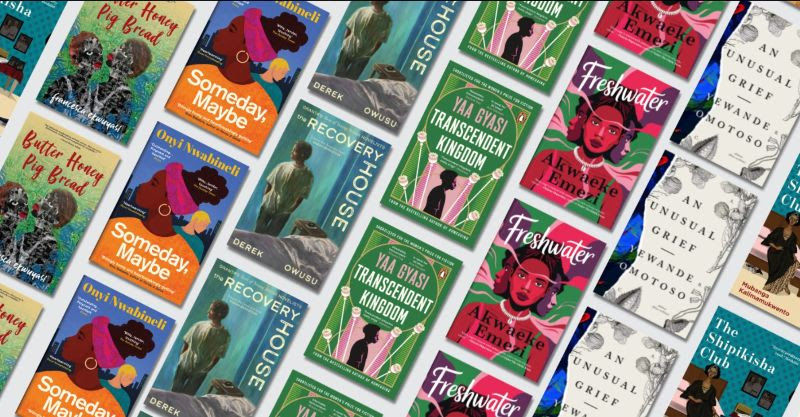
A growing body of African literature is bringing some of the continent’s most difficult conversations into the open as writers use fiction and memoir to examine depression, grief, addiction, suicide, trauma and emotional distress.
Rather than approaching mental health solely as a clinical subject, writers are examining how psychological struggles intersect with family relationships, migration, spirituality, identity and the social expectations placed on individuals.
Among the works highlighted are books by Yewande Omotoso, Derek Owusu, Yaa Gyasi, Akwaeke Emezi and Francesca Ekwuyasi, alongside several other titles addressing different aspects of mental and emotional wellbeing.
Together, the books demonstrate how literature can provide readers with intimate perspectives on experiences that are sometimes difficult to discuss directly.
Yewande Omotoso Explores Grief
In Yewande Omotoso’s An Unusual Grief, bereavement becomes the starting point for examining a complicated relationship between mother and daughter.
The story follows a mother forced to confront difficult feelings about her relationship with her daughter after the daughter’s death.
The experience of grief therefore becomes intertwined with questions about memory, family relationships and what remains unresolved after someone dies.
Rather than presenting bereavement as a straightforward emotional journey, the novel explores the contradictions that can accompany loss.
Recovery After Mental Breakdown
Derek Owusu’s The Recovery House approaches mental health from another perspective.
The book follows a young poet recovering after a mental breakdown, placing recovery and emotional vulnerability at the centre of its narrative.
Stories of recovery can be particularly important because mental-health narratives are not limited to moments of crisis.
They can also examine what happens afterwards — the process of rebuilding everyday life, relationships and a sense of self.
Depression, Addiction and Migration
Yaa Gyasi’s Transcendent Kingdom explores depression, grief and addiction within the experience of a Ghanaian immigrant family.
The combination of those themes demonstrates how mental-health experiences can intersect with migration, family expectations and cultural identity.
Gyasi’s work places emotional struggle within a broader social context rather than isolating it from the other forces shaping people’s lives.
For African and diasporic readers, that approach can provide stories in which questions about mental wellbeing exist alongside recognisable cultural and family experiences.
Emezi, Ekwuyasi Explore Trauma and Identity
Akwaeke Emezi’s Freshwater deals with trauma, identity and spirituality, while Francesca Ekwuyasi’s Butter Honey Pig Bread examines trauma, grief and identity.
The books demonstrate the variety of literary approaches available for discussing mental health.
Not every experience fits easily into conventional categories, and literature gives writers space to examine ambiguity, spirituality and cultural understandings alongside psychological distress.
That diversity is particularly important within African contexts, where understandings of emotional and psychological wellbeing may interact with religion, spirituality, family structures and community expectations.
More Titles Join the Conversation
Other works highlighted include The Shipikisha Club, Someday, Maybe, Broken Porcelain, The Fragile Mental Health of Strong Women and How Depression Saved My Life .
The range of titles suggests that mental health is becoming increasingly visible within African literary conversations.
These books do not necessarily offer identical explanations or solutions. Their value lies partly in showing the different ways individuals experience grief, depression, trauma and emotional distress.
Literature Creates Space for Difficult Conversations
Fiction and memoir have a particular ability to place readers inside another person’s emotional world.
Statistics can describe the scale of a social problem, while medical explanations can describe symptoms and treatment. Literature offers something different: the opportunity to experience a character’s confusion, grief, fear or recovery through narrative.
That can be particularly valuable when dealing with subjects that individuals may find difficult to discuss with family members or within their communities.
The growing number of African and diasporic writers addressing mental health consequently represents more than a literary trend.
Their work expands the language available for discussing emotional distress.
It also gives readers stories that may feel culturally and emotionally closer to their own experiences.
By writing about grief, addiction, suicide, depression, trauma and recovery, these authors are helping move mental health from the margins of conversation into stories about ordinary families and lives.
And as those books reach more readers across Africa and the diaspora, literature is becoming another space where experiences once hidden behind silence can be recognised, questioned and discussed.