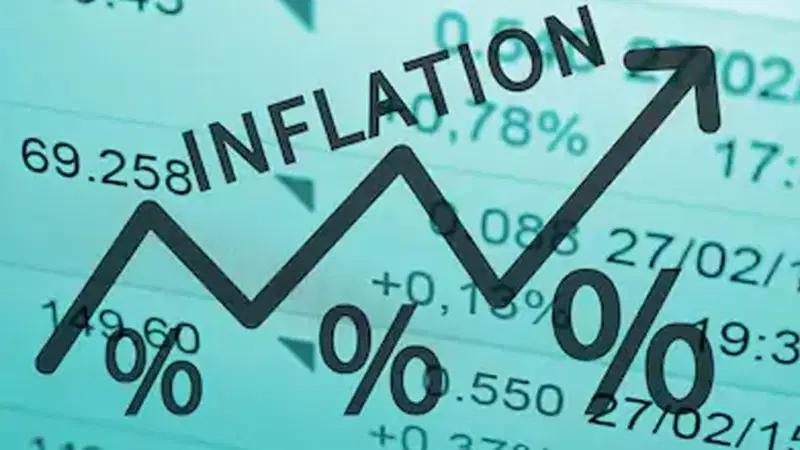
Nigeria’s headline inflation rate rose to 15.38% in March 2026, up from 15.06% recorded in February, according to the latest data released by the National Bureau of Statistics (NBS).
The figures point to renewed price pressures across the economy, with both annual and monthly indicators showing an acceleration in the pace of inflation.
Although inflation remains below levels recorded in the previous year, short-term price increases are strengthening, suggesting growing pressure on household budgets.
The NBS data revealed that headline inflation increased by 0.32 percentage points between February and March.
On a month-on-month basis, inflation rose sharply to 4.18% in March, compared with 2.01% in February — indicating a faster rise in prices within a single month.
The twelve-month average inflation rate also climbed to 20.05%, up from 18.58% in March 2025.
Urban inflation was recorded at 14.64% year-on-year, while rural inflation remained higher at 17.22%, reflecting continued cost-of-living pressures in rural communities.
Analysts say the disparity suggests that rural households are bearing a heavier burden from rising food and transport costs.
The latest figures indicate that inflationary momentum is building again after a period of relative moderation.
While the overall rate is still lower than in previous years, the sharp rise in monthly inflation suggests that price stability remains fragile.
Economists continue to monitor whether monetary policy measures will be sufficient to contain further increases in the coming months.