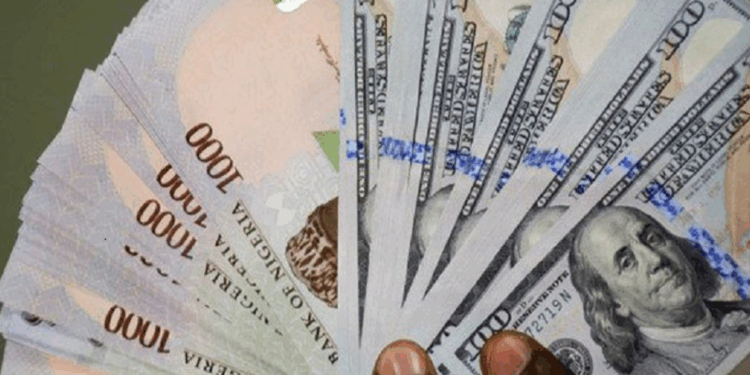
Volatility in Nigeria’s foreign exchange market has been linked to fiscal leakages, speculative trading and arbitrage activities, as the gap between the official and parallel market rates continues to widen.
This is according to forex traders and Bureau De Change (BDC) operators who spoke to Nairametrics, noting that distortions in the market are being driven by structural imbalances and liquidity constraints.
They argued that the recent over-appreciation of the naira at the official market, without corresponding economic fundamentals, has encouraged the growth of unregulated forex channels used to divert liquidity within the system.
According to the President of the Association of Bureau De Change Operators of Nigeria, Aminu Gwadebe, the situation is worsening due to unchecked speculation and arbitrage.
“The over-appreciation of the naira is encouraging the creation of many ungoverned FX channels that are used as a conduit for the diversion of FX liquidity into the economy,” he said.
He added that speculative trading in the parallel market continues to outweigh sentiment in the official window, warning that persistent fiscal leakages will keep driving exchange rate instability.
A forex trader, Basir Kanjiwa, said demand for foreign exchange remains structurally high while supply remains constrained, as many market participants continue to hoard dollars in anticipation of further depreciation of the naira.
Traders also pointed to policy uncertainty and inconsistent implementation as key factors discouraging foreign inflows and intensifying pressure on the currency.
The Central Bank of Nigeria has maintained ongoing reforms aimed at improving transparency and efficiency in the foreign exchange market, while attempting to stabilise exchange rate dynamics.
In March 2026, reports indicated that exchange rate disparities had begun widening again, driven by speculative demand and limited dollar supply across official channels.
Analysts, including Muda Yusuf, have linked the trend to concerns about the sustainability of the naira’s recent appreciation, warning that market corrections could persist if underlying pressures are not addressed.
Experts say closing the gap between the official and parallel markets will require stronger FX inflows, clearer policy direction, and improved access to foreign exchange across all segments of the economy.