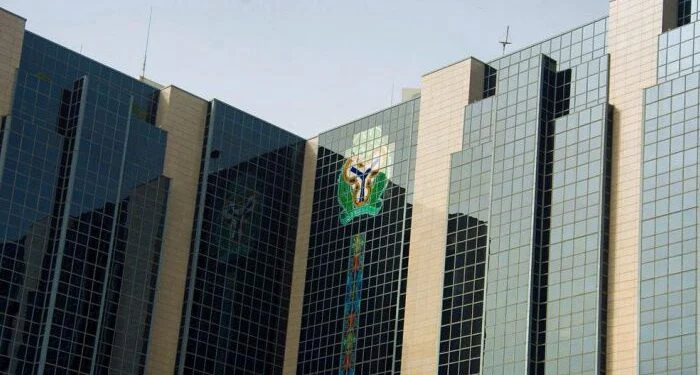
The Central Bank of Nigeria has proposed the establishment of a mediation panel to serve as the first point of resolution for disputes arising from secured lending transactions, in a move aimed at reducing immediate recourse to the courts.
The proposal was contained in a circular issued on Tuesday and signed by the Acting Director of the Development Finance Advisory Department, P. I. Oluikpe, inviting stakeholders to review draft guidelines for the proposed Mediation and Dispute Resolution Panel under the Secured Transactions in Movable Assets framework.
According to the CBN, the panel will have first-instance jurisdiction over disputes related to the creation, perfection, and enforcement of security interests in movable assets, effectively serving as a mandatory initial step before litigation.
“The Panel shall… exercise first instant jurisdiction to hear and determine any dispute arising from the operation and application of the Act,” the bank stated.
The initiative is anchored on the Secured Transactions in Movable Assets Act, which supports the use of movable assets as collateral and aims to expand access to credit, particularly for small and medium-sized enterprises.
The proposed mediation framework is designed to provide a specialised, cost-effective dispute resolution mechanism that promotes faster settlements and reduces pressure on Nigeria’s judicial system.
The CBN said the panel will rely on alternative dispute resolution methods and is expected to deliver decisions within 90 days of the first hearing. It added that parties must demonstrate prior efforts to resolve disputes informally before approaching the panel.
Under the draft guidelines, eligible disputes must involve valid security agreements, include mediation clauses, and be registered with the National Collateral Registry.
The panel will comprise 30 members drawn from the legal, banking, finance, and dispute resolution sectors, each with at least 10 years of professional experience. Panels of three members will be constituted on a rotational basis to hear cases.
“The award shall be legally binding on the parties and enforceable in court as a consent judgment,” the document stated.
However, the guidelines also allow limited appeals on points of law or mixed law and fact within specified timelines, while maintaining confidentiality throughout proceedings.
Funding for the panel will come from CBN allocations, administrative fees, and other approved contributions.
The proposal comes amid broader regulatory tightening by the CBN, including recent directives restricting access to credit for borrowers with non-performing loans listed in credit risk databases, as part of efforts to strengthen financial discipline and stability.
Stakeholders have been invited to submit comments on the draft guidelines before the October 9, 2026 deadline.