The Central Bank of Nigeria (CBN) has urged state governments to cut down their dependence on overdrafts and short-term borrowing, warning that poor fiscal management at the sub-national level could threaten Nigeria’s transition to an inflation-targeting monetary policy framework.
The apex bank made this known in a statement issued on Sunday after an engagement with sub-national stakeholders organised through the Nigerian Governors’ Forum Secretariat in Abuja.
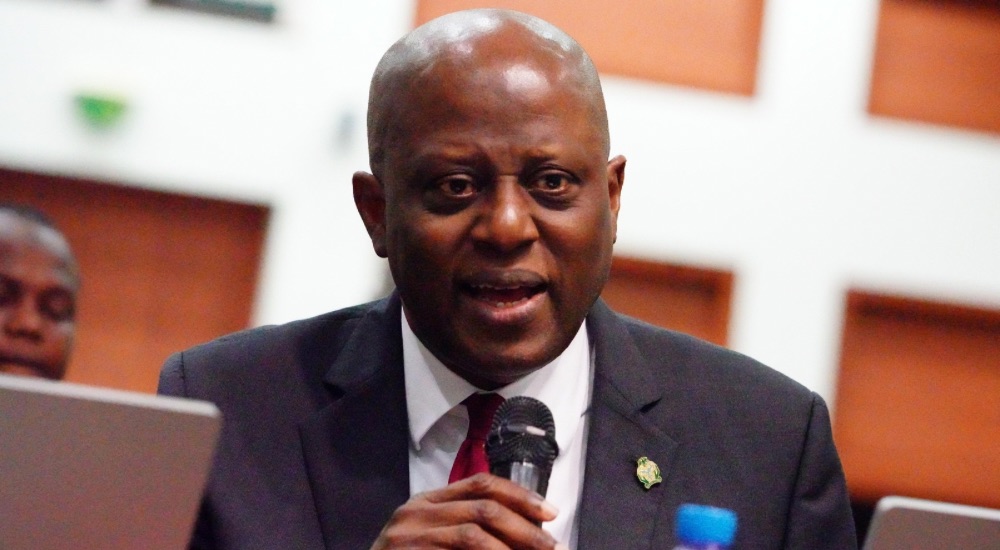
Speaking during the engagement, the Deputy Governor in charge of the Economic Policy Directorate, Dr Muhammad Abdullahi, stressed the need for stricter fiscal discipline among state governments to support macroeconomic stability and price control efforts.
According to the statement, Abdullahi urged states to reduce reliance on overdrafts and short-term financing, align borrowing with debt sustainability thresholds, improve budget realism and revenue forecasting, prioritise spending, and synchronise fiscal calendars with prevailing economic conditions.
He explained that inflation targeting represents a transparent and forward-looking monetary policy framework that requires strong coordination between the central bank and state governments.
Abdullahi noted that although the CBN is responsible for controlling inflation through monetary policy, fiscal actions taken by state governments also significantly influence inflation outcomes in a federal system like Nigeria.
He warned that expansionary fiscal activities at the state level could weaken monetary policy signals and undermine efforts to manage inflation expectations effectively.
The deputy governor said state governments affect inflation through borrowing decisions, debt accumulation, expenditure patterns, wage bills, project execution, salary arrears, contractor financing, and cash management practices linked to Federation Account Allocation Committee allocations.
“In an inflation targeting regime, persistent, unpredictable or expansionary fiscal behaviour at the sub-national level can significantly undermine price stability,” he said.
Abdullahi further stated that avoiding fiscal dominance, where governments pressure the central bank to finance deficits, remains critical for successful inflation targeting at both federal and state levels.
He outlined four key responsibilities for state governments under the framework, including maintaining fiscal discipline, adopting responsible borrowing practices, improving coordination on cash and debt management, and strengthening internally generated revenue mobilisation.
The CBN also warned that excessive supplementary budgets, unplanned spending, and unsustainable debt accumulation could trigger liquidity shocks and worsen inflationary pressures across the economy.
Also speaking, the Director of the Monetary Policy Department, Dr Victor Oboh, described inflation targeting as a “win-win framework” capable of improving policy credibility, reducing uncertainty, and benefiting households, businesses, and governments.
Oboh stated that price stability could not be achieved through monetary policy alone, especially in a federal system where state borrowing and spending decisions directly affect inflation and liquidity conditions.
Meanwhile, the Executive Director of Policy, Strategy and Research at the Nigerian Governors’ Forum, Prof Olalekan Yunusa, commended the CBN for involving state authorities early in the transition process.
He said sustainable macroeconomic stability would require disciplined coordination across all levels of government.
The engagement attracted participants from more than 20 states, including commissioners of finance, accountants-general, permanent secretaries, and statisticians-general, who pledged support for the CBN’s inflation-targeting reforms.
The warning comes as fresh data from the Debt Management Office showed that the combined external debt of the 36 states and the Federal Capital Territory rose from $4.80bn in December 2024 to $5.68bn in December 2025.
The increase represents a rise of $884.66m or 18.43 per cent year-on-year, highlighting continued dependence on external financing by state governments despite improved Federation Account Allocation Committee inflows.
A breakdown of the figures showed that 33 out of the 37 sub-national entities recorded increases in their external debt profiles during the review period.