The Central Bank of Nigeria (CBN) has said that recent reforms in the country’s monetary and financial system have helped cushion the impact of global economic shocks on Nigerians, preventing what it described as more severe economic hardship despite ongoing external pressures.
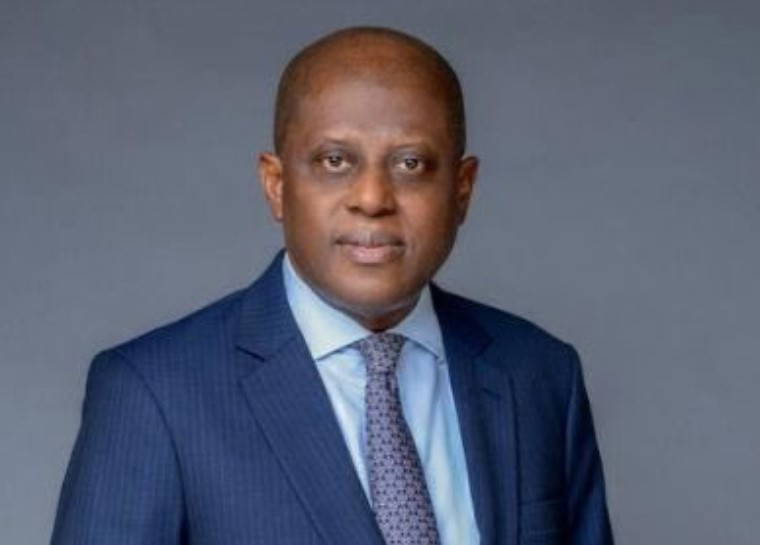
CBN Governor Olayemi Cardoso made the remarks during the final briefing of the bank at the Spring Meetings of the World Bank and International Monetary Fund (IMF) held in Washington DC.
Cardoso said decisions by the Monetary Policy Committee (MPC) were based strictly on data and not emotion, stressing that early reforms had positioned Nigeria to better absorb external shocks.
According to him, without the policy adjustments introduced earlier, Nigeria would have faced a significantly more difficult economic situation.
“If we had not taken the steps we did at the time—and if the reforms had not been implemented when they were—the outcome for the country could have been far more difficult and painful,” he said.
His comments follow the release of March inflation data, which showed Nigeria’s inflation rate rising to 15.38 per cent after months of steady decline. The increase has been linked to global disruptions, including the US–Iran conflict, which affected energy, transport, and food prices.
Cardoso acknowledged the uptick but described it as expected under current global conditions, noting that previous months had shown consistent easing in inflation before the recent shock.
He explained that the CBN had deliberately maintained a cautious monetary stance to avoid premature easing that could expose the economy to volatility.
“There was an expectation that the central bank… would adopt a more aggressive approach to reducing rates. However, this underscores why there was concern about potential shocks on the horizon,” he said.
Despite the inflation increase, the CBN governor reaffirmed the bank’s long-term goal of reducing inflation to single digits, adding that stability was gradually returning to the economy.
Finance Minister Wale Edun also defended Nigeria’s reform programme during the same IMF–World Bank meetings, stating that the country is now better positioned to withstand external shocks due to ongoing structural adjustments.
Edun said reforms under President Bola Tinubu had strengthened macroeconomic fundamentals, particularly through market-driven foreign exchange policies and petroleum pricing reforms, which he said had reduced distortions and improved resilience.
He noted that Nigeria’s economic direction had received positive feedback from international financial institutions, including the IMF and World Bank, as well as bilateral partners.
Both officials maintained that while external shocks remain a challenge, Nigeria’s reform trajectory is designed to build long-term stability, attract investment, and improve economic resilience.