Badaki calls for institutional coordination, professional development and digital innovation to attract investment, create jobs and grow tourism businesses
The Federation of Tourism Associations of Nigeria (FTAN) has called for clearer institutional responsibilities, harmonised regulations and stronger professional development as part of efforts to attract investment and unlock the country’s tourism potential.
The President of FTAN, Dr Aliyu Ajayi Badaki, said the organised private sector must have a meaningful role in tourism policy formulation and implementation, arguing that operators’ practical experience should inform decisions affecting the industry.
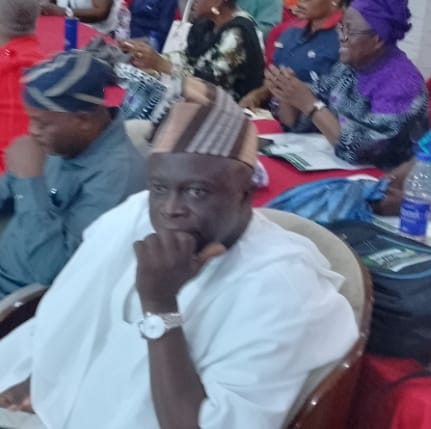
Badaki made the call while delivering an address at the 20th International Conference and Annual General Meeting of the Hospitality and Tourism Management Association of Nigeria (HATMAN), Anambra 2026, taking place in Awka.
Addressing tourism and hospitality operators, academics, investors and government representatives, he said Nigeria needed a more coordinated policy framework that would support enterprise growth, improve professional standards and create an enabling environment for investment.
“We advocate clear institutional responsibilities, appropriate regulation, professional development, and an enabling environment that encourages investment and enterprise growth,” Badaki said.
He noted that hotels, tour operators, travel agents, restaurants, event managers and other tourism professionals understood the operational realities of the industry and should therefore contribute directly to policies and regulations affecting their businesses.
According to him, FTAN’s priority is to ensure that private sector operators are recognised as strategic partners in developing the industry rather than stakeholders who are merely informed after policy decisions have been made.
FTAN seeks harmonisation of tourism regulations
Badaki said FTAN continued to engage relevant government institutions on issues affecting the sector, particularly the implementation and harmonisation of the Nigerian Tourism Development Authority Act 2022 and the National Institute for Hospitality and Tourism Act 2022.
He clarified that the association’s position was not opposition to regulation but a call for a framework that promotes professionalism, protects industry standards and supports sustainable business development.
“Tourism policies must be developed with the industry, not merely for the industry,” he said.
The call comes amid the broader challenge of coordinating the responsibilities of public institutions, professional associations and private operators in a sector that spans accommodation, transportation, travel services, cultural attractions, entertainment and destination management.
Clearer institutional responsibilities and effective collaboration could help reduce regulatory uncertainty for investors and businesses while improving coordination across the tourism value chain.
Badaki, who is also Chairman of HATMAN’s Board of Trustees, stressed that no single institution could transform Nigeria’s tourism industry independently.
He called for stronger partnerships among government agencies, professional associations, educational institutions, investors, technology providers and tourism operators to establish common development priorities.
Through its Tourism Transformation Mandate (TTM), he said FTAN would continue to promote constructive engagement, collaboration among associations and evidence-based advocacy to ensure that the concerns of tourism businesses receive appropriate consideration.
He also urged HATMAN and other industry associations to strengthen their collective efforts, noting that a united and professionally organised private sector would be better positioned to contribute to national tourism development.
AI presents new opportunities for tourism businesses
Badaki described the conference theme, “Artificial Intelligence and the Digital Agenda: Implications for Global Transformation in Hospitality and Tourism,” as timely, given the changes technology is bringing to the way travellers discover destinations and experience tourism services.
He said artificial intelligence and digital platforms offered Nigerian tourism businesses opportunities to improve service delivery, reduce operating costs, expand market access, attract investment and create employment.
However, he cautioned that technology alone would not transform the industry without skilled professionals, reliable infrastructure, supportive policies and stronger cooperation among stakeholders.
He urged HATMAN to prioritise digital skills development, encourage hospitality businesses to adopt affordable technology and strengthen partnerships with educational institutions and technology providers.
According to him, Nigeria must combine technological innovation with its cultural heritage, hospitality traditions and professional standards to compete more effectively in the global tourism market.
Badaki said the Tourism Transformation Mandate was designed to strengthen tourism associations, promote investment, improve professional standards, increase destination visibility and build stronger partnerships between government and private operators.
He encouraged HATMAN to translate lessons from the conference into practical programmes that would benefit members, support small and medium-sized hospitality businesses and create opportunities for young people.
He also commended the association’s members for sustaining the professional platform over two decades, describing the milestone as evidence of their commitment to advancing hospitality and tourism in Nigeria.
Focus shifts to measurable outcomes
Badaki said the industry needed to measure progress by the results achieved rather than the number of conferences held or policies announced.
He called for a more structured and results-oriented approach that would convert Nigeria’s tourism resources into investment, employment, enterprise growth and sustainable economic development.
He further urged government to provide an enabling policy environment, respect the applicable legal framework and work with industry associations to avoid conflicts over institutional responsibilities.
Reaffirming his commitment to tourism development in his capacities as FTAN president and HATMAN Board of Trustees chairman, Badaki said the future of the industry would depend on effective policies, productive partnerships, professional excellence and the value created for Nigerians.