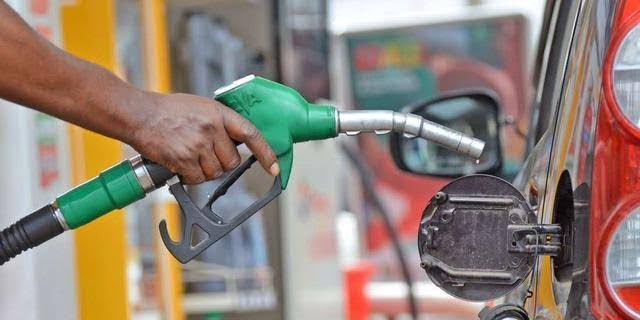
Fuel prices may decline in the coming days if global crude oil prices continue to fall following ongoing peace talks between the United States and Iran.
Oil prices dropped sharply from $111 last week to $97.48 on Monday morning after reports suggested progress in negotiations between the two countries. Brent crude also traded between $103 and $105 on Sunday amid growing optimism that the conflict in the Middle East could soon ease.
The latest development has sparked speculation that fuel prices may reduce globally, including in Nigeria, if the Strait of Hormuz is reopened. The strategic waterway handles about 20 per cent of global oil shipments and has remained a major concern since the conflict began.
Crude oil prices had surged from below $70 to over $115 at some points after the US-Iran conflict started on February 28. The increase triggered a sharp rise in fuel prices across many countries.
In Nigeria, petrol prices climbed from about N830 per litre to around N1,300 per litre. Diesel and aviation fuel prices also rose significantly, forcing airline operators to warn of possible disruptions to flight operations.
As oil prices continue to decline, expectations are growing that the Dangote Petroleum Refinery may consider reducing petrol prices in the local market.
Reports indicated that the United States and Iran had agreed in principle to a deal aimed at ending the conflict and reopening the Strait of Hormuz.
US President Donald Trump said on Saturday that the Strait of Hormuz would be reopened under a proposed agreement involving the United States, Iran, and several Middle Eastern countries.
Trump disclosed this in a post on Truth Social after holding discussions with leaders of Saudi Arabia, the United Arab Emirates, Qatar, Pakistan, Türkiye, Egypt, Jordan, Bahrain, and Israel.
According to him, the agreement is still subject to final approval, while discussions on key details are ongoing.
On Sunday, Trump said talks with Iran were progressing in an “orderly and constructive manner” and noted that his representatives had been instructed not to rush negotiations.
Meanwhile, Iran confirmed on Monday that discussions with the United States were making progress, although it maintained that a final agreement had not yet been reached.
Iran’s Foreign Ministry spokesman, Esmail Baqai, said substantial progress had been made on several issues under discussion but added that no one could yet claim that an agreement was imminent.
The proposed memorandum of understanding reportedly includes a 60-day ceasefire extension, the reopening of the Strait of Hormuz, and further negotiations on Iran’s nuclear programme.