

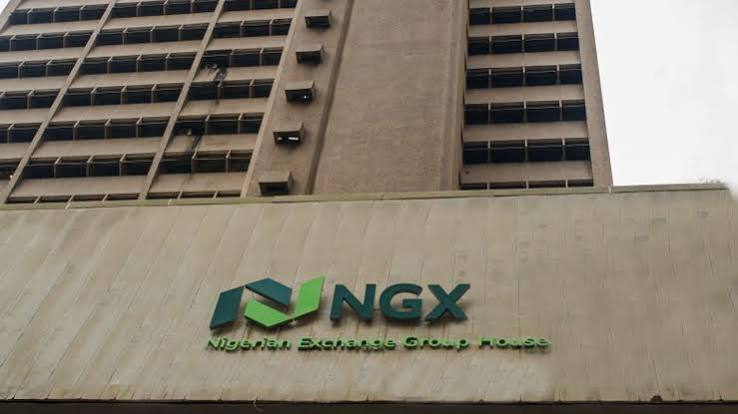
Shares of several leading Nigerian banking groups declined on Tuesday, October 13, 2026, as renewed selling pressure pushed the NGX Banking Index down by 0.8 per cent.
The downturn affected Guaranty Trust Holding Company, First HoldCo and Zenith Bank, whose share price movements contributed to the broader decline in the Nigerian equities market.
According to Cordros Securities’ Daily Market Update, GTCO depreciated by 2.5 per cent, while First HoldCo recorded a 2.3 per cent decline.
Zenith Bank also closed lower, shedding 0.8 per cent during the session.
The losses contributed to the 0.09 per cent decline in the NGX All-Share Index, which closed at 247,513.63 points.
Banking Stocks Weigh on NGX Performance
Banking equities remain important components of the Nigerian stock market.
Their relatively large market capitalisations and active trading volumes mean that price movements in major banking groups can significantly influence overall market performance.
The October 13 session reflected this relationship.
Although the wider market recorded more gainers than losers, losses in major banking stocks were sufficient to push the benchmark index lower.
The Banking Index declined by 0.8 per cent, compared with a 0.4 per cent decline in the Insurance Index.
GTCO Leads Trading by Value
Despite its share price decline, GTCO emerged as the most actively traded stock by transaction value.
Investors exchanged approximately ₦3.13 billion worth of the company’s shares.
The figure represented 14.63 per cent of the total value of equities traded during the session.
GTCO also recorded trading volume of approximately 24.42 million shares.
The substantial turnover demonstrates the company’s continued importance in daily market activity.
However, high trading value does not necessarily indicate positive investor sentiment.
A stock may record significant transactions during periods of selling pressure as investors adjust their holdings.
Zenith Bank Records ₦2.14bn Turnover
Zenith Bank ranked second among the most actively traded equities by value.
Approximately ₦2.14 billion worth of its shares changed hands during the session.
The bank also recorded trading volume of 16.67 million shares.
Its share price declined by 0.8 per cent, contributing to the negative performance of the banking sector.
The activity indicates continued investor interest in the stock, although the day’s price movement was negative.
First HoldCo Attracts ₦1.95bn in Trades
First HoldCo recorded approximately ₦1.95 billion in transaction value.
This represented 9.12 per cent of the market’s total turnover.
The group’s share price fell by 2.3 per cent.
Its performance added to the selling pressure affecting major banking equities.
The Cordros report did not identify a company-specific announcement as the cause of the decline.
It would therefore be premature to attribute the movement to earnings, regulatory developments or other factors without additional evidence.
Access Holdings Tops Market Volume
Access Holdings emerged as the most actively traded stock by volume.
Approximately 57.02 million shares were exchanged, accounting for 14.46 per cent of total market volume.
The company’s transaction value stood at approximately ₦1.61 billion.
United Bank for Africa also featured among the most actively traded securities, with 22.75 million shares exchanged.
These figures show that banking stocks remained central to market activity despite the sector’s negative performance.
Financial Sector Faces Changing Market Conditions
Banking stocks are influenced by a range of economic and financial factors.
Interest rates, credit demand, regulatory requirements and expectations about profitability can affect investor assessments.
Banks also face operating expenses and the need to maintain adequate capital and liquidity.
However, the latest market update provides trading data rather than a detailed explanation of the underlying investment decisions.
The October 13 decline should therefore be understood as a market movement rather than evidence of deteriorating financial performance by the affected institutions.
Broader Market Sentiment Remains Mixed
Despite losses in banking equities, the overall market recorded 24 advancing stocks and 21 declining stocks.
This suggests that buying interest remained present in other segments of the exchange.
The Consumer Goods and Oil and Gas indices each gained 0.1 per cent.
The Industrial Goods Index remained unchanged.
The mixed performance highlights differences in investor sentiment across sectors.
Outlook Depends on Earnings and Investor Demand
The near-term performance of banking equities will depend on market liquidity, company-specific developments and investor expectations.
Corporate earnings announcements may also influence demand for selected financial stocks.
For investors, the latest trading session demonstrates the importance of assessing individual companies alongside broader sectoral trends.
While the Banking Index recorded a decline, the level of trading activity indicates that the sector remains an important focus of market participation.











