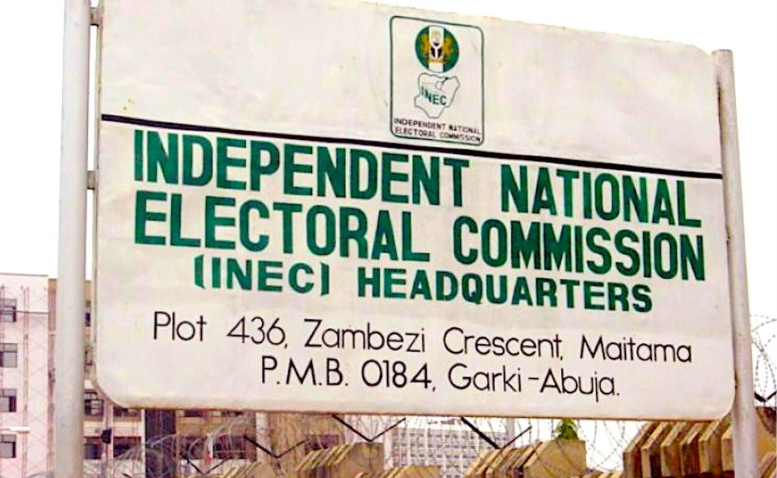
The Independent National Electoral Commission (INEC) is facing renewed scrutiny over the accuracy of Nigeria’s voters’ register and its preparations for the 2027 general elections, as concerns grow about questionable entries and the commission’s compliance with electoral requirements.
The voters’ register is one of the most important tools in any election because it determines who is eligible to vote. Its accuracy is therefore essential to ensuring that eligible citizens are not disenfranchised and that unauthorised or invalid records do not undermine confidence in the electoral process.
Recent reports have raised questions about the quality of the preliminary register released ahead of the 2027 elections. These concerns include questionable names, addresses, gender details and photographs, with particular attention drawn to the appearance of images suspected to have been generated using artificial intelligence.
A report by Vanguard on November 1 highlighted concerns about the integrity of the preliminary register, including the discovery of AI-generated photographs and other irregularities. The report said INEC had acknowledged the problems and promised to address them before the final register is released.
The commission’s preliminary register reportedly contained more than 103.4 million registered voters. This figure represents a significant increase from the approximately 93 million voters recorded in the 2023 general election, following additional registrations through the continuous voter registration exercise.
INEC has also disclosed that its technology systems identified questionable photographs during the registration process. The commission’s Director of Information and Communication Technology, Lawrence Bayode, reportedly said some registration officers had allegedly used their official login details to introduce irregular entries into the database.
The development has raised questions about the effectiveness of the commission’s internal controls and the need to ensure that the final register is free from fraudulent or inaccurate records.
In a separate report published on November 5, The Guardian said INEC had removed more than 1.27 million invalid voter records after identifying approximately 1.5 million questionable entries. The commission’s review is part of efforts to improve the quality of the national register before the election.
However, the concerns go beyond the discovery of questionable records. Stakeholders have also questioned whether INEC has complied with the statutory requirements governing the publication and review of the preliminary voters’ register.
The Guardian report highlighted concerns about the commission’s failure to publish the preliminary register on its official website within the period prescribed by Section 19(1) of the Electoral Act 2026. The issue has prompted wider debate about the commission’s accountability and its responsibility to follow the same electoral laws it is expected to enforce.
INEC has defended aspects of its handling of the electoral process, including its interpretation of requirements relating to political party membership registers. Nevertheless, stakeholders have called for consistency, transparency and fairness in the application of electoral regulations.
The commission has said the claims and objections process is ongoing, allowing eligible citizens and other stakeholders to raise concerns about entries in the register. This process is important because it provides an opportunity to identify duplicate, inaccurate or otherwise invalid records before the final register is published.
INEC Chairman Joash Amupitan has also outlined measures being taken to strengthen preparations for the elections. These include improvements to the Bimodal Voter Accreditation System (BVAS) and the INEC Result Viewing Portal (IReV), which are intended to support voter accreditation and transparency in the management of election results.
The commission has reportedly completed nine of the 14 activities on its revised timetable for the 2027 elections. It has also continued the nationwide collection of Permanent Voter Cards, with collection points decentralised to registration areas and wards across the 774 local government areas.
The final voters’ register is scheduled for publication on December 15, 2026, according to the Guardian report. This deadline makes the remaining review period particularly important for the commission and registered voters.
For political parties, the accuracy of the register is essential because disputes over voter eligibility and registration records can become sources of tension before and after elections. A credible register also helps election observers and other stakeholders assess the fairness of the process.
INEC will therefore need to demonstrate that concerns raised by citizens and political parties are being properly investigated. It must also ensure that any corrections are carried out according to the law and that individuals whose records are questioned are given the opportunity to respond where required.
As the 2027 elections approach, public confidence will depend not only on the technology deployed by the commission but also on the transparency of its decisions. An accurate and verifiable voters’ register remains a basic requirement for credible elections in Nigeria.