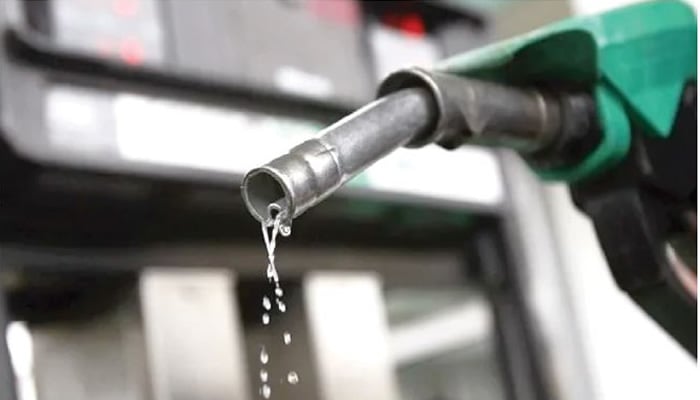
The decision by Iran to reclose the Strait of Hormuz has dampened expectations of a sharp drop in petrol prices in Nigeria, raising fresh concerns over the stability of global oil supply routes.
The strategic waterway had been reopened on Friday following a ceasefire agreement between Iran and the United States, briefly raising hopes among fuel marketers that crude oil prices would decline and trigger a reduction in petrol prices locally.
However, the optimism was short-lived as Iran reclosed the strait less than 24 hours later, describing the move as a response to the continued blockade of its ports by the United States.
Iran’s military announced on Saturday that control of the vital shipping route had “returned to its previous state,” with reports indicating that Iranian gunboats fired at a merchant vessel attempting to pass through the channel.
The Strait of Hormuz is one of the world’s most critical oil transit routes, with about 20 per cent of globally traded crude oil passing through it daily.
Fuel marketers in Nigeria had earlier predicted that petrol prices could fall significantly after the waterway was reopened.
The spokesman of the Petroleum Products Retail Outlet Owners Association of Nigeria, Joseph Obele, had said on Friday that the drop in crude oil prices following the reopening of the strait could lead to lower pump prices.
Obele noted that petrol prices in Nigeria were around N800 per litre before the Middle East crisis escalated in late February.
“With the reopening of the Strait of Hormuz, Nigerians should expect a very significant reduction in petrol prices. Petrol will fall below N1,000 by next week, probably to N900 per litre,” he said on Friday.
“Don’t forget that the product was N800-plus before the Middle East crisis. Now that the war is over, we should be expecting a return to that price regime,” he added.
However, speaking on Sunday, Obele said the reclosure of the strait had dashed those projections.
According to him, the current price level of around N1,250 per litre may remain for now until a more lasting ceasefire agreement is reached between Iran and the United States.
The development comes amid renewed tensions between the two countries following accusations that Iran violated the ceasefire agreement by attacking ships in the Strait of Hormuz.
United States President Donald Trump said on Sunday that Iran breached the truce by firing at vessels in the waterway.
“Iran decided to fire bullets yesterday in the Strait of Hormuz — a total violation of our ceasefire agreement!” Trump wrote on his Truth Social platform.
“That wasn’t nice, was it?” he added.
Trump also repeated threats to target Iranian energy infrastructure if Tehran fails to agree to a broader deal to end the conflict.
“We’re offering a very fair and reasonable deal, and I hope they take it because, if they don’t, the United States is going to knock out every single power plant and every single bridge in Iran,” he said.
“No more Mr Nice Guy!”
Despite the renewed tensions, oil markets have not reacted with a sharp surge in prices.
Data from oilprice.com showed that Brent crude traded at about $90 per barrel on Sunday, up slightly from $88 before the strait was reclosed. Brent had earlier traded at around $95 per barrel on Friday morning before the ceasefire announcement.
Trump also disclosed that negotiators from both sides were expected to arrive in Islamabad, Pakistan, on Monday evening for further talks.
Pakistan had hosted direct negotiations between Iran and the United States last weekend, with the current two-week ceasefire agreement scheduled to expire on Wednesday.
Analysts say developments around the Strait of Hormuz will continue to influence global oil prices and could have direct implications for fuel costs in import-dependent countries like Nigeria.