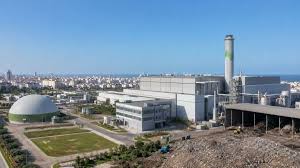
Morocco has announced plans to construct a $1.5 billion waste-to-energy facility in Casablanca, marking a significant step in the country’s drive toward cleaner energy production and more sustainable waste management. The ambitious project is expected to become one of the largest of its kind on the African continent and is designed to address two major challenges simultaneously—growing urban waste and rising electricity demand.
The proposed facility, which is expected to break ground before the end of the year, will convert municipal solid waste into electricity while significantly reducing the volume of waste sent to landfills. Once completed, the plant is expected to become fully operational by mid-2030, supporting Morocco’s broader environmental and energy transition goals.
According to project developers, the Casablanca waste-to-energy plant will process approximately 1.5 million metric tons of waste each year. Using advanced energy recovery technologies, the facility will generate around 115 megawatts of electricity, enough to supply nearly one million people with reliable power.
The plant will combine several energy sources, including municipal waste, landfill gas and solar energy, making it one of the continent’s most integrated renewable energy projects.
Casablanca, Morocco’s largest city and commercial capital, produces enormous volumes of household and industrial waste every day. Rapid urbanisation, population growth and expanding economic activities have increased pressure on existing waste management infrastructure, creating an urgent need for more sustainable disposal methods.
A major objective of the project is to reduce pollution from the Mediouna landfill, the country’s largest waste disposal site. The landfill has long been associated with environmental challenges, including methane emissions, unpleasant odours, groundwater contamination and poor air quality affecting surrounding communities.
Methane is recognised as one of the most potent greenhouse gases contributing to global warming. Environmental experts note that capturing landfill gas and converting waste into electricity could significantly reduce greenhouse gas emissions while creating a valuable source of renewable energy.
Government officials believe the project aligns with Morocco’s long-term climate commitments and supports national efforts to diversify electricity generation away from fossil fuels.
Over the past two decades, Morocco has emerged as one of Africa’s leaders in renewable energy investment. The country has developed large-scale solar and wind projects, including internationally recognised facilities such as the Noor Solar Complex, while expanding policies aimed at improving energy security and reducing carbon emissions.
The Casablanca waste-to-energy project represents another important milestone in that strategy by integrating modern waste management with clean energy production.
Beyond environmental benefits, the facility is expected to generate economic opportunities during both the construction and operational phases. Thousands of direct and indirect jobs are expected to be created across engineering, construction, environmental management, logistics and plant operations.
Industry analysts also believe the project could stimulate investment in Morocco’s growing circular economy by encouraging improved waste collection, recycling systems and environmental technologies.
Supporters argue that waste-to-energy plants offer practical solutions for rapidly growing cities facing mounting waste disposal challenges. Instead of allowing waste to accumulate in landfills, the technology enables municipalities to recover valuable energy while reducing environmental hazards.
However, the project has also attracted criticism from some environmental organisations.
Critics argue that incineration-based waste-to-energy plants may discourage recycling by creating demand for combustible waste that could otherwise be recycled or reused. They also raise concerns about potential emissions from waste combustion, warning that even modern facilities require strict environmental monitoring to minimise air pollution.
Environmental advocacy groups have urged Moroccan authorities to ensure that the project complies with international environmental standards and incorporates advanced emission control technologies.
They also stress the importance of strengthening recycling programmes alongside energy recovery initiatives, arguing that waste reduction, reuse and recycling should remain priorities within a comprehensive waste management strategy.
Project developers have responded by stating that the facility will incorporate modern pollution control systems designed to meet international environmental requirements. They also maintain that waste-to-energy technology complements rather than replaces recycling efforts, particularly for waste materials that cannot be economically recycled.
As Morocco continues to invest heavily in renewable energy and sustainable infrastructure, the Casablanca project reflects the country’s determination to address environmental challenges through innovation and technology.
Experts believe successful implementation could position Morocco as a regional leader in integrated waste management while providing a model for other African cities grappling with increasing waste generation and growing energy needs.
With construction expected to commence before the end of the year, stakeholders across the energy, environmental and municipal sectors will closely monitor the project’s progress. If delivered on schedule, the facility could significantly improve urban waste management, reduce greenhouse gas emissions and strengthen Morocco’s clean energy capacity by the end of the decade.
The project also reinforces Morocco’s broader commitment to balancing economic growth with environmental sustainability, demonstrating how infrastructure investment can contribute to cleaner cities, improved public health and long-term climate resilience.