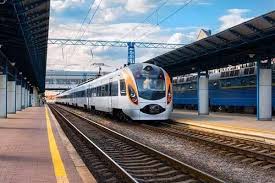
Tanzania is undertaking one of the most ambitious transport infrastructure programmes in its history as the government pushes to establish the country as a leading logistics and trade gateway for East and Central Africa. Massive investments in railways, seaports and regional transport corridors are already reshaping the movement of passengers and cargo while strengthening Tanzania’s strategic position within the African Continental Free Trade Area (AfCFTA).
At the heart of the transformation is the Standard Gauge Railway (SGR), an electrified railway network designed to connect major cities within Tanzania and eventually extend to neighbouring countries, including Burundi, Rwanda and the Democratic Republic of Congo (DRC). The project is regarded as one of the country’s largest infrastructure investments since independence and is expected to play a key role in driving economic growth and regional integration.
Although construction is still ongoing, parts of the railway have already become operational. Since passenger services began in 2024, more than six million passengers have travelled on the modern rail line, demonstrating strong public confidence in the new transportation system.
The completed section linking Dar es Salaam and Dodoma has dramatically reduced travel time between the commercial capital and the political capital. What previously required up to ten hours by road can now be completed in approximately four hours, providing commuters and business travellers with a faster, safer and more comfortable alternative.
Government officials believe the shorter travel time will increase business activities, improve labour mobility and reduce transport costs for both individuals and companies.
The railway project is scheduled for full completion by 2030, when it will extend beyond Tanzania’s borders to serve neighbouring landlocked countries. By linking the ports of Tanzania to regional markets, the SGR is expected to facilitate faster export and import activities while reducing dependence on road transport.
The railway expansion is being complemented by major upgrades at the Port of Dar es Salaam, Tanzania’s busiest seaport and one of the most important maritime gateways in East Africa.
Authorities report that modernization works at the port have significantly improved operational efficiency. Container handling capacity has doubled, allowing the port to process larger volumes of cargo while reducing congestion.
Equally significant is the reduction in waiting time for vessels. Ships that previously spent as many as ten days waiting to berth now typically wait only three days, enabling shipping companies to reduce operational costs and improve delivery schedules.
The improved port performance is expected to strengthen Tanzania’s competitiveness in regional and international trade, particularly as neighbouring countries increasingly rely on Dar es Salaam for access to global markets.
Meanwhile, Tanzania is also investing heavily in the expansion of Tanga Port, another strategic maritime facility along the Indian Ocean.
The expanded port is expected to play a central role in exporting crude oil from neighbouring Uganda through the East African Crude Oil Pipeline (EACOP). Once completed, the project will provide Uganda with direct access to international markets while generating additional revenue for Tanzania through transit services and port operations.
Beyond its maritime infrastructure, Tanzania is collaborating with Chinese companies on the rehabilitation of the historic Tanzania-Zambia Railway Authority (TAZARA) line.
The 1,860-kilometre railway links Tanzania with Zambia and has served as an important transport corridor for decades. The rehabilitation project, valued at approximately $1.4 billion, aims to modernise the railway’s infrastructure, improve cargo movement and increase trade between Southern and Eastern Africa.
Experts believe the combination of the SGR, upgraded ports and the revitalised TAZARA railway could transform Tanzania into one of Africa’s most important logistics centres.
Improved transportation infrastructure is expected to reduce freight costs, encourage industrial investment and attract manufacturing companies seeking efficient access to regional markets.
The projects are also expected to create thousands of jobs during construction and operation while stimulating growth in sectors such as tourism, agriculture, mining and manufacturing.
Economists note that efficient transport systems are critical to achieving the goals of the African Continental Free Trade Area (AfCFTA) by lowering the cost of moving goods across borders and improving regional connectivity.
Despite the progress, challenges remain. Large-scale infrastructure projects require substantial financing, long-term maintenance and effective management to ensure sustainability. There are also concerns about debt financing, environmental impacts and the need to maximise local participation in project implementation.
Nevertheless, Tanzania’s transport transformation represents one of the continent’s most significant infrastructure development efforts. If completed as planned, the integrated railway and port network is expected to redefine regional trade patterns, strengthen economic integration and position Tanzania as a preferred gateway for commerce across East and Central Africa.
The country’s ambitious investment strategy reflects a broader vision of building resilient infrastructure capable of supporting economic diversification, industrialisation and long-term sustainable development.