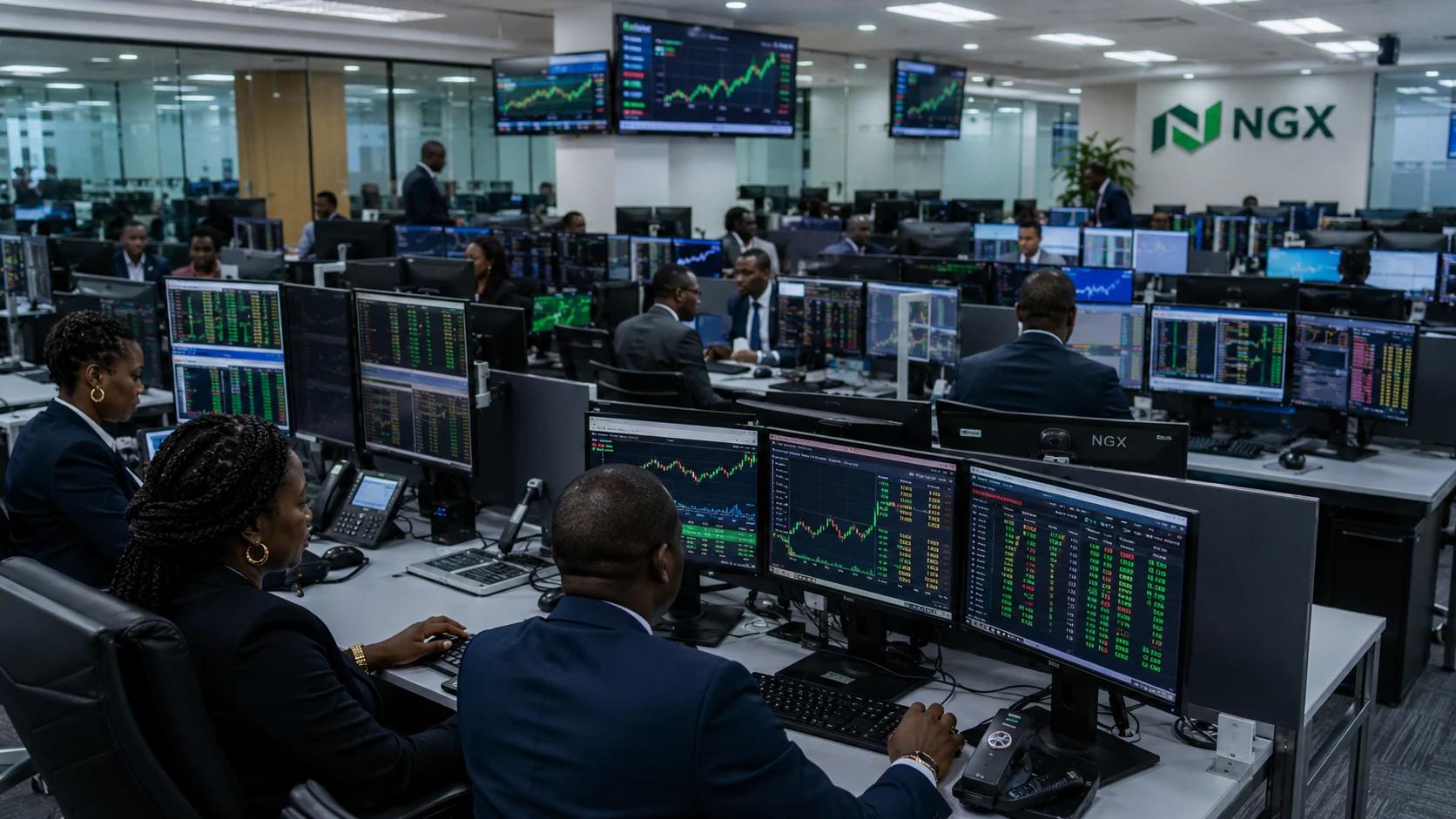
Domestic investors accounted for 89.74 per cent of transactions on the Nigerian Exchange Limited (NGX) in the first nine months of 2026, reinforcing the role of local capital in supporting activity on the Nigerian stock market.
Data from the NGX Domestic and Foreign Portfolio Investment Report for September showed that domestic investors traded equities worth approximately ₦13.52 trillion between January and September, while foreign investors accounted for about ₦1.54 trillion.
Combined transactions reached approximately ₦15.06 trillion during the nine-month period, according to the report.
September trading rises sharply
The report showed that total transactions increased to approximately ₦1.82 trillion in September from around ₦1.27 trillion in August.
Domestic transactions rose by 34.6 per cent month-on-month, from ₦1.21 trillion to about ₦1.62 trillion. Foreign transactions also increased, climbing by 208.14 per cent from ₦62.03 billion to ₦191.14 billion.
Although foreign activity recorded a faster percentage increase during the month, domestic investors remained responsible for the larger share of trading.
The figures suggest that local investors continue to provide much of the liquidity supporting the market, even as foreign participation fluctuates.
Domestic capital becomes more important
The report’s findings highlight the significance of Nigerian investors, including institutional investors and retail participants, in shaping activity on the Exchange.
Domestic investors accounted for about 78 per cent of total transactions in 2025, according to the reported historical figures. Their share increased to 89.74 per cent during the first nine months of 2026.
A stronger domestic investor base can help reduce reliance on external portfolio flows, which can be affected by currency movements, international interest rates and global risk appetite.
However, a high domestic share does not automatically guarantee market stability. Liquidity, investor confidence, the availability of investable securities and the performance of listed companies remain important to sustained market development.
Market depth remains a key challenge
The growth in domestic participation presents an opportunity for the market to broaden access to investment, but maintaining that momentum will require credible disclosures, effective regulation and a steady supply of attractive investment opportunities.
Companies seeking to raise capital will also need to demonstrate sound governance and provide investors with reliable information about their financial performance and business prospects.
For the NGX, the latest figures point to the importance of developing a market that can attract both domestic and foreign investors while supporting long-term capital formation.