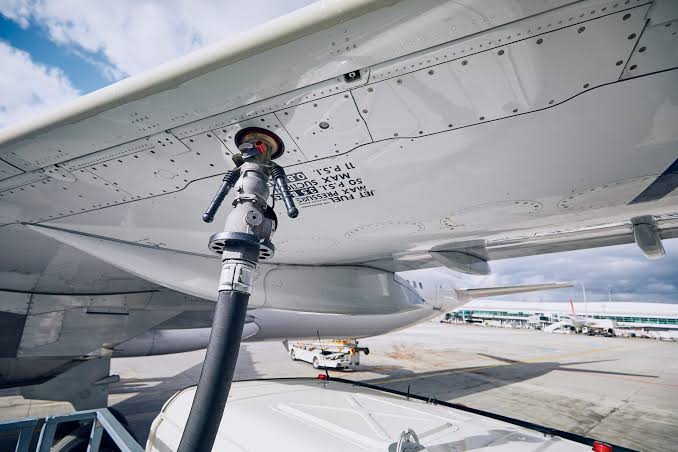
Airlines operating in Nigeria received an estimated 749.2 million litres of aviation fuel between January and August 2026, as domestic Jet A1 deliveries recorded significant fluctuations during the eight-month period.
An analysis of monthly data from the Nigerian Midstream and Downstream Petroleum Regulatory Authority (NMDPRA) showed that aviation turbine kerosene receipts averaged approximately 3.1 million litres per day during the period.
Supply, however, was uneven.
Daily deliveries dropped to about 1.6 million litres in February before recovering to 3.1 million litres per day by August.
Supply Stability Matters to Airlines
The fluctuations are significant because aviation fuel is a critical operating input for airlines.
Reliable availability affects flight scheduling and operating costs, while disruptions to the fuel supply chain can create additional difficulties for carriers already managing other operational expenses.
The supplied report notes that recent disruptions which left passengers stranded, particularly in Abuja, had been linked to debts owed by some airline operators to fuel marketers.
At the same time, airline operators have continued to complain about the rising cost of Jet A1.
Fuel Costs Feed Into Aviation Economics
For airlines, the challenge goes beyond the total volume of fuel available nationally.
Consistency of supply matters because carriers need dependable access to fuel at airports where flights are scheduled.
Large swings in delivery can complicate planning, particularly when commercial disputes between marketers and airlines add another layer of uncertainty.
The recovery from February’s 1.6 million litres per day to 3.1 million litres in August indicates an improvement in receipts, but the eight-month data also highlight the variability of domestic supply.
For passengers, developments in aviation fuel supply can ultimately have implications for ticket pricing and reliability because fuel remains a central component of airline operating expenditure.
The figures therefore reinforce the importance of a stable domestic aviation fuel market capable of meeting airline demand consistently.
With Nigeria’s aviation industry seeking to expand connectivity and improve reliability, predictable Jet A1 availability will remain one of the factors influencing the sector’s operating environment.